
10 October 2026
Creating safer communities in South Africa
Vusi Malala, Oyama Tshona and Bonisiwe Mbatha
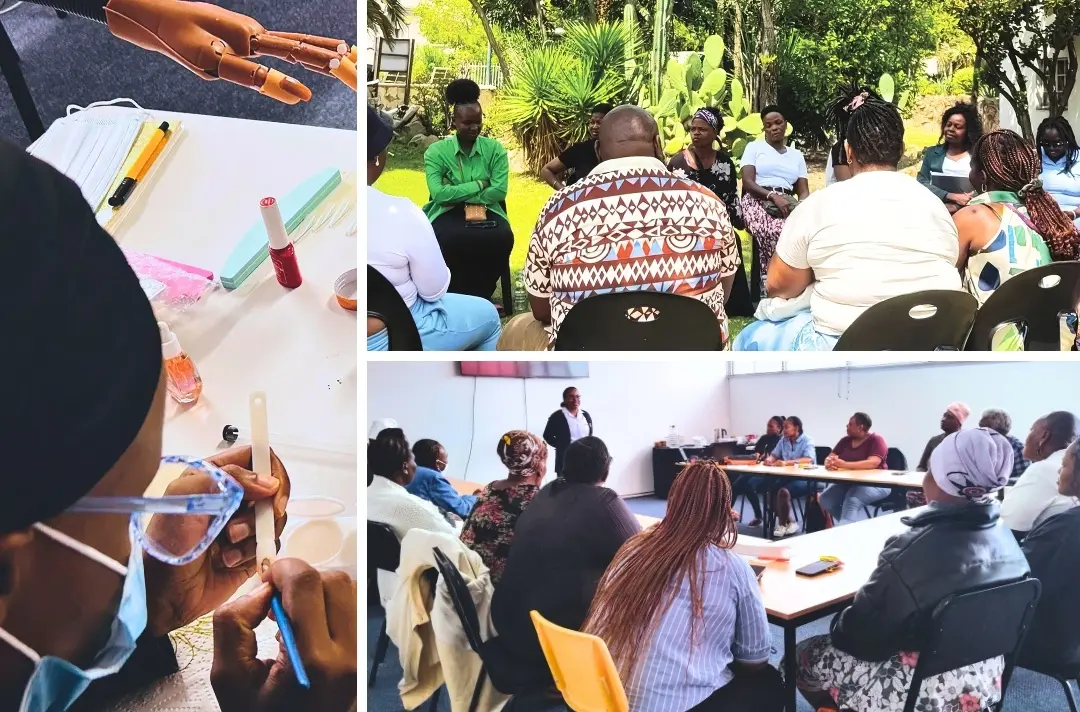
Vusi Malala, Oyama Tshona and Bonisiwe Mbatha share how The Salvation Army in South Africa is combining prevention, survivor support and advocacy to tackle gender‑based violence.
In November 2025, as the country prepared to welcome the world to Johannesburg for the G20 conference, women across South Africa were gathering for another reason – to demand action on femicide. Countrywide demonstrations, held last year after years of campaigning, helped prompt a national declaration that many women felt was long overdue: gender[1]based violence is a national disaster.
That declaration reflects what many women already live with every day: violence that is widespread, normalised and too often unpunished. Indeed, South Africa has some of the highest sexual violence and femicide statistics in the world. And while numbers are alarmingly high, such statistics reflect only reported crimes. With widespread under-reporting, the true scale is likely far greater.
Working for gender justice
It is in this landscape that the Southern Africa Territory is working in three communities in the Gauteng Province – Tembisa, Diepsloot and Alexandra – to help reduce violence by promoting gender equality, encouraging healthier attitudes and behaviours, supporting people to build skills and confidence, and speaking out against social injustice.
Through a coordinated programme of prevention, survivor support, peace[1]building and advocacy, the territory’s Gender Justice Team has been working alongside local partners to reduce sexual and gender-based violence, strengthen families and promote non-violent ways of resolving conflict. Progress has not been even or easy, but the evidence shows meaningful change, especially where communities are empowered to lead.
To date, the project has delivered 13 community-based programmes, with most of the work focused on shifting attitudes and behaviours around gender equality and gender-based violence. For example, the team ran gender-sensitivity sessions to challenge harmful stereotypes. While in some spaces men engaged positively, in others there was subtle resistance from those who felt the training threatened their ‘male privilege’. Despite the varied response initially, improved male attendance and more thoughtful discussions about gender roles suggest that attitudes are beginning to shift. Changing deeply rooted beliefs that reinforce patriarchy and enable gender-based violence cannot happen overnight, and we have seen that respected local leaders have great influence in shaping what communities see as normal and acceptable.
Alongside long-term aims, we have also seen short-term success from increased awareness to improved access to psychosocial support. One of the most significant outcomes came through the psychosocial support groups led by the project social worker in each of the communities. These groups are supporting female survivors of violence as they navigate the often slow and complex journey of healing and recovery. For many, this has required sustained, compassionate, trauma-informed support. While some are still living with perpetrators, others have taken the brave and difficult step of leaving abusive relationships and starting again. Across these groups, steady and consistent support has helped women rebuild confidence, strengthen coping strategies and feel less alone.
Transformed lives
Behind these activities are real women whose lives are beginning to change.
Omphile said laughter had become a distant memory. Family conflict and the strain of unemployment had worn her down. Since joining the programme, she now finds herself in a much healthier and more stable place, able to express joy again and navigate daily life with renewed strength. She is excited about upcoming training in income generation activities, which to her means more than just skills: it means independence and restored dignity. Being part of the group has ignited a sense of hope and self-reliance as she looks towards building a more secure future.
Amahle shared how her child was sexually assaulted, yet the police took no meaningful action. She felt helpless, unheard and overwhelmed. Since joining the programme, she has received ongoing emotional support and practical guidance, helping both her and her child begin to heal. With The Salvation Army’s help, the case was escalated to the Department of Community Safety and the National Prosecuting Authority. Amahle has now been connected with the relevant authorities and support structures to ensure the case receives the attention it deserves. She now has a revived hope for justice and feels empowered to participate actively in the process.
Maria told us that family life had been difficult, and for years she kept her feelings inside. Through the programme, she learnt to express her emotions in a healthy and constructive way. That confidence helped her speak with her parents about concerns she had been holding – including asking them to change how they discipline her younger siblings, which she said had harmed her growing up. Life is not perfect, she noted, but relationships at home have improved. She now feels understood and equipped to build healthier, more respectful connections with her family.
Systemic change
These stories show what’s possible when support is consistent. But lasting change also depends on systems that work when people need them most. South Africa has strong laws designed to protect people from harm – including the Domestic Violence Act, the Children’s Act, the Older Persons Act and the Mediation of Certain Divorce Matters Act – but this project has highlighted a difficult reality: having protections on paper does not always mean people experience them in practice.
The project has identified that services at grassroots level can easily be duplicated and coordination can be weak, and so it has worked to strengthen partnerships and collaborated to ensure support is easier to access. We have helped bring local organisations, services and authorities around the same table to tackle issues that often overlap: sexual and gender-based violence, substance abuse, teenage pregnancy and school dropout. Key partnerships have had a tangible impact. We helped open the Diepsloot Forensic Clinic, now operating 24/7, which provides vital services for survivors of sexual violence.
In this complex area of work, the fundamental challenge remains of meeting urgent needs while addressing the deeper drivers of gender-based violence. Deep-seated gender inequality, patriarchy and systemic misogyny are still firmly embedded; shifting them takes time, resources and collaboration beyond the scope of any single project. Within this context, the Leave No One Behind approach stood out as both effective and replicable, ensuring that the most marginalised were not overlooked as communities worked towards longer-term change.
While we continue to see violence, we also see progress. Families are learning non-violent ways to live together. Survivors are reclaiming their agency. Communities are finding their voices. And where people are supported to act together, violence is no longer seen as inevitable.
- Based on an article originally published in Develop magazine.
Discover more
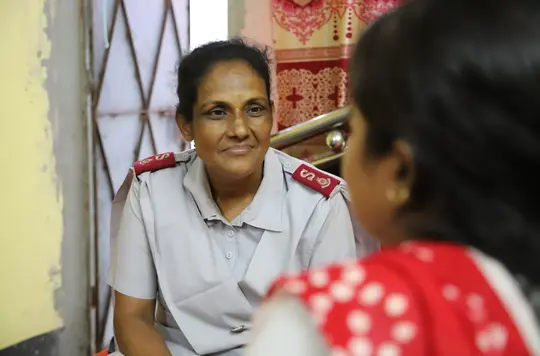
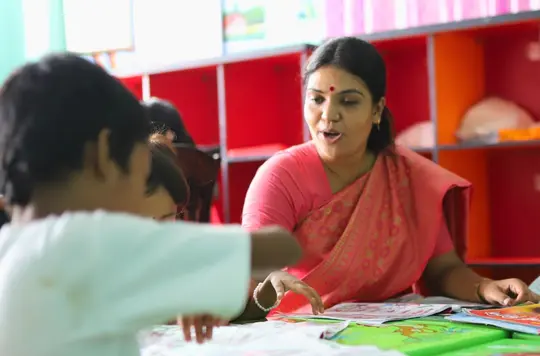
Hayley Still introduces the 2026 Helping-Hand Appeal, which focuses on the Army’s work to help women and girls vulnerable to exploitation.
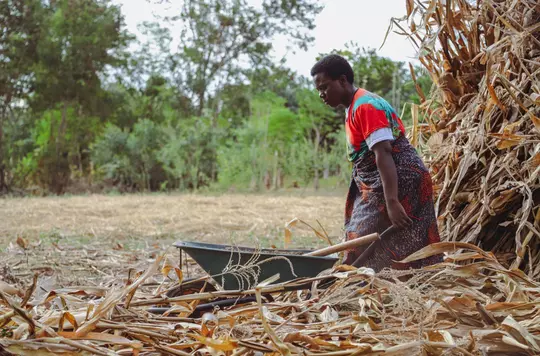
Connecting Salvationists around the world so that we can learn from and support one another.
International Social Justice Commission Director Lieut-Colonel Liz Gainsford invites women to join the International Social Justice Women’s Group.