
16 February 2026
Hidden to whole: Don’t give up hope
Lieutenant Thomas Morgan
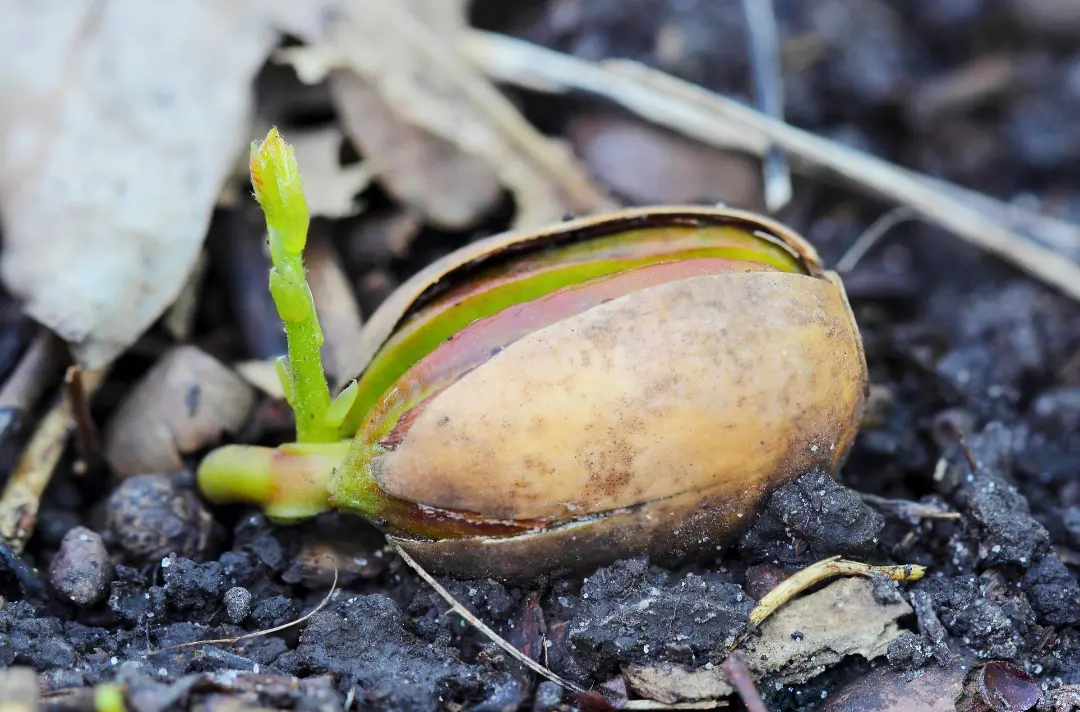
As we reflect on hidden hope this Lent, Lieutenant Thomas Morgan reminds us that hope is something God cultivates in us.
Hold an acorn in your hand and it hardly looks like a promise. It’s small and unremarkable, with little indication of the oak tree that will grow from it.
Once buried in the cold, dark soil, that acorn begins its slow growth into a tree. Yet before it reaches upward, it must first grow downward. The roots must push through resistance long before its branches ever touch the light. Hope can feel like that acorn. It is often hidden, appears slow to grow and is easily mistaken for disappointment when we don’t see instant results.
Most of us don’t struggle with hope because we lack faith. No, we struggle because the darkness feels suffocating. We pray, we wait, yet nothing seems to break through. The temptation is to assume the seed has died or that God is not listening to us. But Scripture insists that unseen growth is still growth. The apostle Paul writes that ‘suffering produces endurance, and endurance produces character, and character produces hope’ (Romans 5:3 and 4 New Revised Standard Version). Hope is not the absence of struggle; it is the fruit of roots strengthened in the darkness and struggle.
The challenge is that disappointment can often feel like a final verdict. When prayers seem unanswered, we often assume that something has gone wrong or that we haven’t prayed enough. But delay is not death. An acorn spends far longer in the dark than it does in the light. Yet beneath the surface, roots are anchoring, thickening and preparing the tree to withstand storms it doesn’t yet know are coming.
Paul understood this hidden work of faith. He lived with desires that weren’t fulfilled in his timeline – prayers for deliverance, desires for unity, hopes for churches that often faltered. And yet he never concluded that God had abandoned him. Instead, he learnt to view any delay through the lens of faith. In Romans 8:24, Paul reminds us that ‘hope that is seen is not hope’. Hope, like the roots of an oak, is tied to what we cannot yet see.
But disappointment tempts us to shrink our expectations. We stop praying boldly. We stop dreaming dreams and seeing visions (see Joel 2:28). We stop trusting deeply. We call it being realistic, but often it’s simply self-protection. Paul pushes against this instinct. In Ephesians 3:20, he describes God as the one ‘who is able to do immeasurably more than all we ask or imagine’. That kind of language refuses to let disappointment define the boundaries of our hope. It invites us to keep planting, keep praying, keep believing – even when the soil feels silent.
Continuing to hope is not denial; it’s defiance. It’s choosing to believe that God is at work in the dark, nurturing roots that will one day support branches we can’t yet imagine. It’s trusting that the silence of the soil is not the absence of life. It’s remembering that oak trees don’t grow overnight, and neither do we.
Perhaps this is the heart of it. Hope is not something we manufacture; it’s something God cultivates in us. Paul calls him ‘the God of hope’, the one who fills us with joy and peace as we trust in him (Romans 15:13). Our part is not to force growth – for God alone brings growth – but to remain rooted in him.
So, when disappointment comes – and it will – don’t assume the seed has failed. Don’t dig up in doubt what has been planted in faith. Let the darkness do its work. Let the roots grow deep. For in time, what was buried will break into the light, and what once felt like delay will reveal itself as preparation. Hope is not fragile. It is an oak in the making.
Written by
Lieutenant Thomas Morgan
Corps Leader, Bradford Citadel
Discover more

Resources originally created for Lent, which can be used as a thematic series to further heart transformation.

This year, Lent runs from Wednesday 18 February to Thursday 2 April. If you’re looking for ideas on what you can give up for Lent, we’ve put together 10 meaningful suggestions.
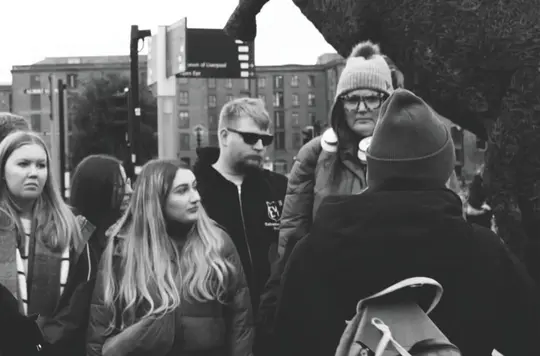
Amelia Burr (Preston) reflects on a recent Terrain weekend in Liverpool and how we move through suffering.

Ivan Radford encourages us to see the world through the lens of Jesus' enduring love and presence.