
21 November 2026
Drop-in centres: Responding to rough sleeping locally
George Tanton
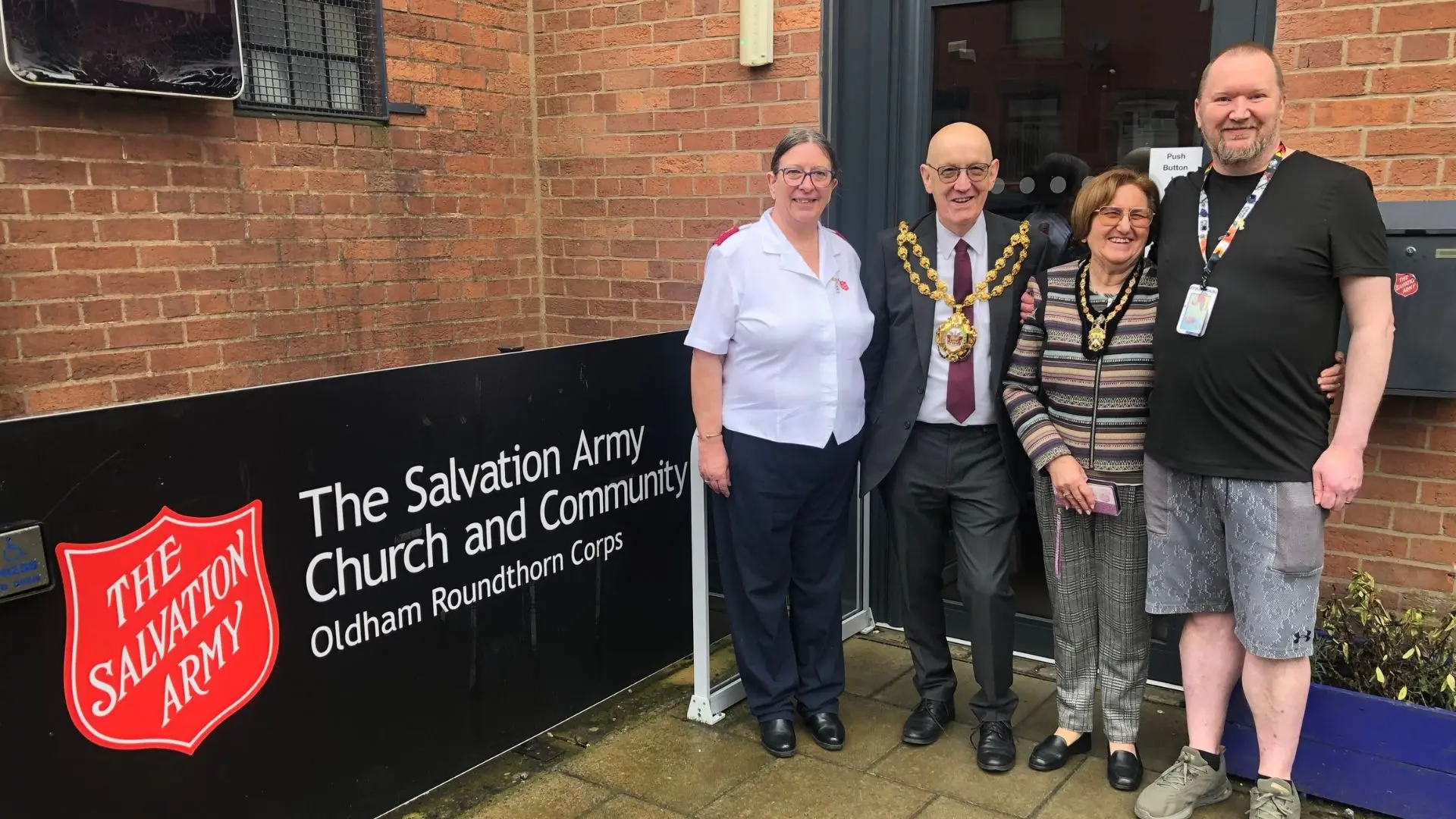
George Tanton explores how Salvation Army corps are supporting people experiencing homelessness.
Public awareness of homelessness and rough sleeping is high this winter. UK prime minister Andy Burnham has pledged to end rough sleeping, with every rough sleeper offered a route off the streets if they need it. The Salvation Army has been working to end this social injustice for 160 years. Today, the Army’s response includes Homelessness Services’ Lifehouses and supported accommodation, as well as political lobbying to challenge systemic injustices. On the local front lines are corps drop-in centres.
Rough sleeping is typically the tip of the iceberg, with wider related issues including social inequality, isolation, addiction, poverty and unemployment.
‘Oldham is not affluent,’ states Major Maisie Veacock, corps leader at Oldham Roundthorn.
Once a powerhouse in the global textiles industry, Oldham faced gradual industrial decline after the 1950s. Today, the town is below the national average statistics for qualifications and employment. Homelessness and addiction are also major issues.
The corps provides a weekly drop-in centre at the hall called the Lighthouse Project.
‘We are a safe place where people can come, have a conversation, enjoy a coffee or a hot meal, and just be respected for who they are,’ explains Maisie. ‘There are also shower facilities for people who need them. We have someone from Employment Plus who comes each week, and a general adviser from the council who signposts residents to services they need.’
Middlesbrough is another casualty of Britain’s industrial decline; the closure of its shipyards and steelworks has led to social deprivation, with many people in need of help. The town has the highest crime rate in England and Wales outside London. It also has a large rough-sleeping population.
Captain Naomi Kelly, corps leader at Middlesbrough, says: ‘It is a real eyeopener seeing people sleeping under tarpaulins.’
The corps runs a weekly drop-in, which incorporates a debt advice clinic and addictions advice. Every Tuesday morning, hot breakfasts and takeaway lunches are available. A community nurse is also on hand. Naomi says that older people walk through the doors, citing loneliness and isolation as key problems.
‘There are many good people in the town,’ says Naomi. ‘Our volunteers are all locals doing their best to help their community.’
With winter looming, a Lighthouse Project will open on 1 December run alongside the council. It will provide holistic care to people experiencing homelessness.
‘Individuals on the margins of society are often perceived by some as a nuisance,’ says Naomi. ‘As a Christian Movement, we care for them. We do our best to listen and offer advice where we can.’
At Blackpool Citadel, a similar initiative called the Bridge Project has long been established. Open several days of the week, it supports rough sleepers by offering housing advice, hot showers, laundry facilities and warm meals. The corps has also partnered the NHS to provide support for people struggling with alcohol and substance addiction. In 2024 alone, the Bridge Project supported nearly 1,000 individuals.
‘Define homelessness,’ challenges corps leader Major Richard Thompson.
He highlights that it comes in many forms and can encompass varied personal traumas. Certainly, a solution involves more than just providing a sleeping bag or a roof for a few nights.
‘The reason why the Bridge Project runs well is because we take the time to listen and understand,’ he states.
Maisie, Naomi and Richard all agree that a coordinated effort involving other services is essential to tackle rough sleeping.
‘Oldham is blessed with lots of different organisations and churches all doing their bit,’ says Maisie. ‘Each winter we do our best in giving provision, even if that means signposting to other services.’
‘It’s about teamwork,’ chimes Naomi. ‘Without the NHS and local council, the drop-in centre would not be as effective. We cannot solve these issues alone.’
‘We have positive links with the emergency services. For example, they might say “this individual has left prison and we are putting them in touch with you”,’ explains Richard. ‘All we can do is offer love and care to anyone and everyone who comes in.’
Written by
George Tanton
Editorial Assistant
Discover more
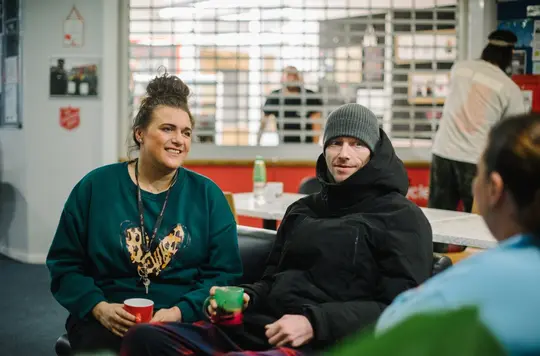
We are working to end homelessness and rough sleeping. Discover how you can support people in finding belonging, hope and a place to call home.
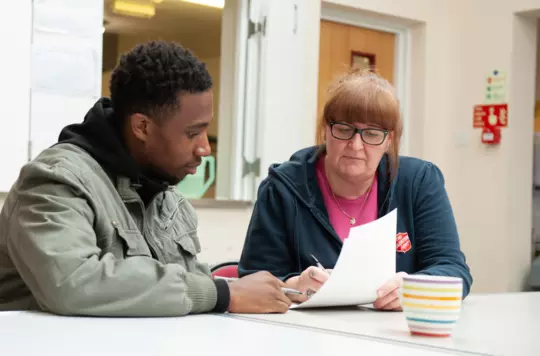

Patrick Holder-Mallett talks with Stevie Hope about the realities of serving others without discrimination.
The Salvation Army is calling everyone to play their part in helping to end rough sleeping this Christmas.