
10 February 2026
Mission Conference 2026: Reimagining all-age ministry
Lyn Woods
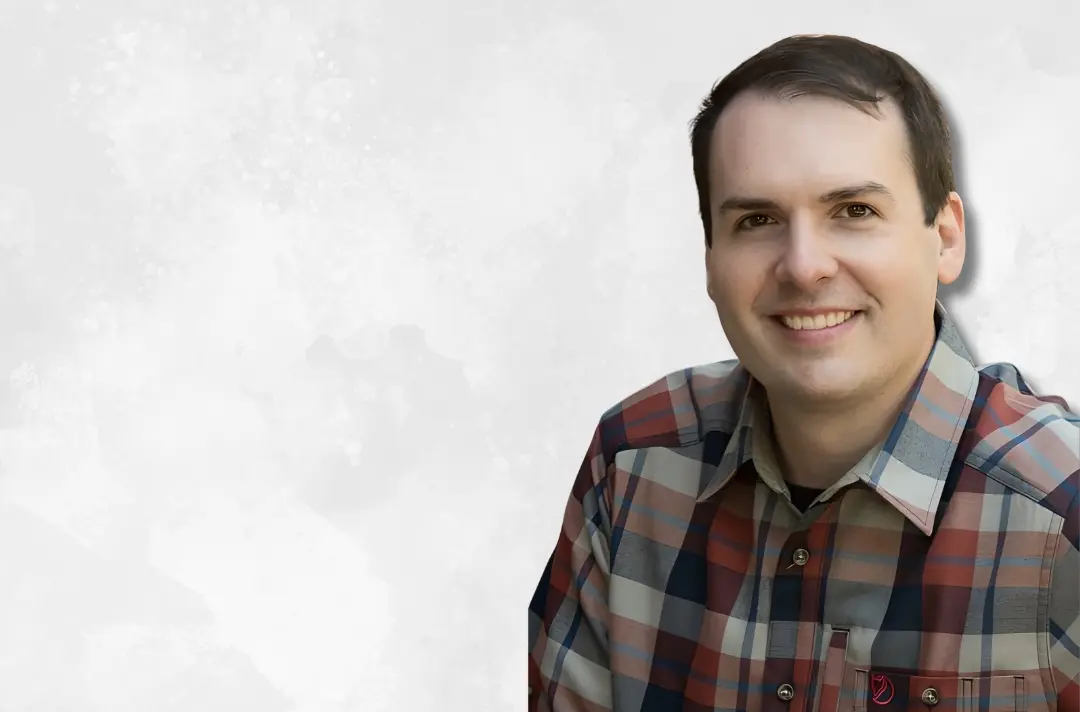
Dave Csinos talks to Lyn Woods about his address at the Mission Conference.
How did you come to faith and what brought you to where you are today?
I was raised in a practising Catholic home. I’ve always grown up in the Church, in a family and a faith community that encouraged deep reflection and consideration of the experience of God, not just God as a concept, and not just church as an institution, but church as a place that can make a difference. Key moments in my life have been pivotal and have led to changes in how I live out that faith. Faith has always been woven into the fabric of my life.
I felt a call to the vocation of ministry from very early in my life. In high school, I considered a vocation of ministry and decided that the timing was not right. It was far too early. Instead, I started a degree in music, with the goal of becoming a music educator, because I also really liked education. Partway through that, I transferred to religious studies to pursue that call to ministry in a way that allowed for me to also have a family.
It was a very long road that wound its way through many different Christian traditions, including Catholicism, mainline Protestantism and Evangelicalism. It was while I was working as a children’s pastor and beginning my graduate degree in theology that I really fell in love with the academic side of ministry and theology. Specifically, I fell in love with the field of practical theology, where concepts and theories are put into practice and tested and developed out of the realities of everyday life and faith.
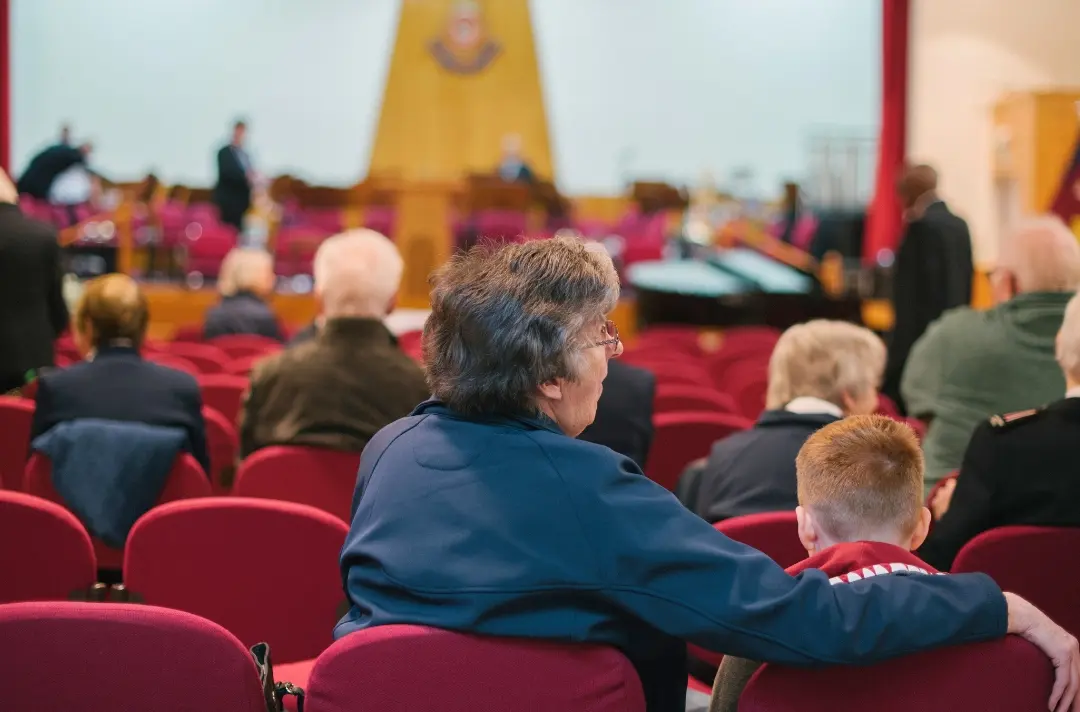
We often need to prioritise the voices that have not been present, which is often young people or people with different abilities.
What are you sharing at the Mission Conference?
Most of it has to do with all-age or intergenerational ministry. I’m talking about ways of adapting worship practices to better account for different ages, abilities and interests that are in the church. How might we think about different ways we can adapt our preaching practices, so that we are more engaging with all people in the room? When people hear ‘intergenerational’ or ‘all-age’, they immediately think it must be for the kids. The reality is it’s for everyone.
Our church practices have typically been so focused on adult tendencies and adult needs that we often need to prioritise the voices that have not been present, which is often young people or people with different abilities, people who have different needs and different assumptions than are reflected in our traditional or standard practices. I’m helping people to expand their ideas of what worship could look like, what preaching could look like, also hopefully expanding their ideas of who all-age ministry is for.
What are you hoping delegates take back to their churches and communities?
There are at least two things I'd like them to take. One is that we’re not just talking about it, we’re doing some practices with everyone, some that I’ve learnt from other people and some that I’ve developed. I hope people take away the experience of seeing what it could look like. Often, people go home and want to do that exact experience with their church, but I’m a big believer in the value of context and adaptation: I also hope people don’t just reproduce what I offer but leave with an imagination for experimenting and reshaping things in a way that best fits their ministry context and the needs of the people in their faith communities.
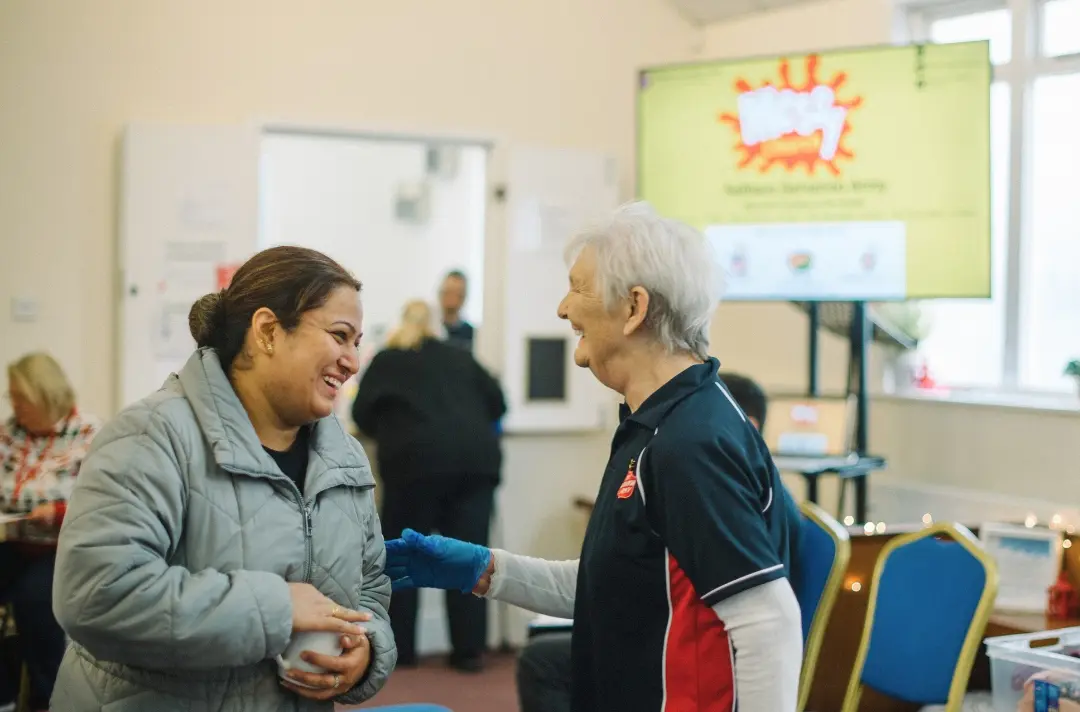
There are going to be people who find what you try meaningful and people who find it less meaningful. That’s okay, because there’s more diversity in our churches than we thought!
Give us your three top tips for intergenerational mission.
Work with who you have. I hear a lot of people say: ‘We don’t have many – if any – people under the age of 50 or 60.’ All-age doesn’t mean every single age has to be present, it means all ages of who is there. It’s also about all abilities. Start with who is there.
Assume there is more diversity than you imagined in church. Sometimes, we think people won’t appreciate or get something out of a different approach to worship or ministry. Often, it’s that people have never been invited to do things differently. People often don’t know what’s possible until they try it. Assume that, regardless of who is there and whatever you try out, there are going to be people who find what you try meaningful and people who find it less meaningful. That’s okay, because there’s more diversity in our churches than we thought!
Just do something! Don’t start with the most important Sunday service of the year, that’s not the one to change your preaching practices in. Start with something that’s already a little different. A friend of mine recently talked about having a big pile of laundry to be folded. You don’t always have to fold it all in one go. Every little bit helps. If you walk by and fold two items and put them away, you’ve done something. Each thing you can do to better include people of all ages, interests and abilities, to better bring the ages together and help them build relationships with each other, it all adds up.
Is there a part of Scripture that particularly resonates with you?
Two parts have resonated with me a lot lately: the calling of Samuel (see 1 Samuel 3:1–10) and the rich young ruler (see Mark 10:17–31). In smaller churches, we might feel less relevant in ministry. Sometimes, churches see all-age ministry as a way of growing the church, yet the opposite might happen. It might shrink your numbers as some people decide it’s not for them. The reason I think of the rich young ruler is because it’s very easy to feel like we’re making a sale. When the rich young ruler came to Jesus, he asked: ‘What do I have to do?’ And Jesus said: ‘Sell everything, come back and follow me.’ And the rich young ruler walked away. Jesus didn’t run after him saying: ‘Okay, you can keep half of your life!’
When we are thinking about all-age ministry, it’s not about a fad: it’s about the call to treat all people as equal disciples, to see all people as valued, to see everyone’s needs as needing to be met. That doesn’t mean someone’s needs will be met all the time. None of us will get our needs met all the time. There are going to be moments where we probably feel like the rich young ruler and we want to walk away. At times, people in our church might want to walk away. Yet we continue the mission we are called to do, knowing that God is still working with all of us.
Interview by
Lyn Woods
Discover more

Salvationist catches up with the territory’s new team of divisional intergenerational officers and workers.
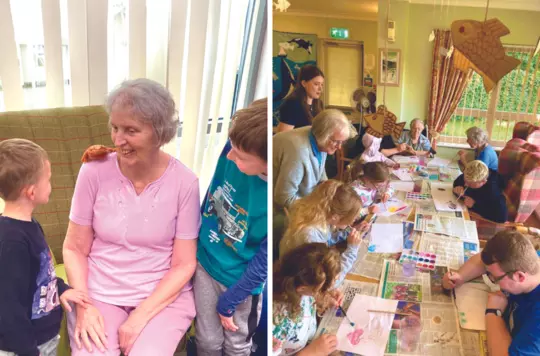
Territorial Envoy Ruth Morey shares how the corps is breaking generational boundaries.


Lieutenant Kat Whitmore considers the impact of responding to God’s call.