
14 February 2026
Mark 14: Surely you don't mean me?
Captain Ben Ellis
Captain Ben Ellis encourages us to remember how faithful Jesus is to us.
Key texts
There are certain moments in Scripture that I would love to have seen in person. The night of the Last Supper is one of them. As I place myself in the story, I imagine what it would have been like to experience all that was taking place, to meet those present and to witness what each person said and did. I invite you to imagine yourself there too.
The disciples are setting up a guest room for a night of food, fellowship and prayer with Jesus. He has directed them to this location – ‘a large room upstairs, furnished and ready’ (v15). They are preparing for Passover – one of the most important celebrations in their spiritual calendar (see Exodus 12) – a time for remembering when God freed the Israelites from oppression and slavery in Egypt.
When God sent the last plague on Egypt, the Israelites were spared the death of their firstborns because they followed his instructions. They smeared the blood of young lambs or goats without blemish on the sides and tops of the door frames of their houses (see Exodus 12:7).
Little do the disciples know that, in the coming hours, Jesus will die so that they might be saved. As Paul later writes: ‘For Christ, our Passover lamb, has been sacrificed’ (1 Corinthians 5:7).
It’s important for us to understand that the events of Easter – the arrest, trial, scourging, death and resurrection of Jesus – all take place during the festival of Passover. The disciples, along with all Jewish believers, are celebrating the time when God delivered his people, unaware that they are about to witness an even greater display of God’s love and redemption.
As the disciples celebrate together, Jesus suddenly breaks the atmosphere saying: ‘Truly I tell you, one of you will betray me – one who is eating with me’ (v18).
A perfect evening is suddenly shattered by reality. It’s like a scene from The Traitors, where the ‘faithfuls’ are sitting around the table trying to banish the ‘traitors’ in order to win the game. The disciples sitting at the table are now faced with a dilemma: who is the traitor?
These disciples of Jesus have given up everything to follow him. They have travelled with him, listened to his teaching and seen him perform wonders. Now they are deeply disturbed by Jesus’ statement and try to work out who is going to betray him (see Luke 22:23).
Mark describes their state of mind: ‘They were saddened, and one by one they said to him, “Surely you don’t mean me?”’ (v19).
Matthew’s Gospel tells us that Judas had already made an agreement with the chief priests to betray Jesus for 30 pieces of silver (see Matthew 26:14–16). But Judas does not give himself away and, even though he knows the truth, still asks the same question: ‘Surely you don’t mean me?’ (v19).
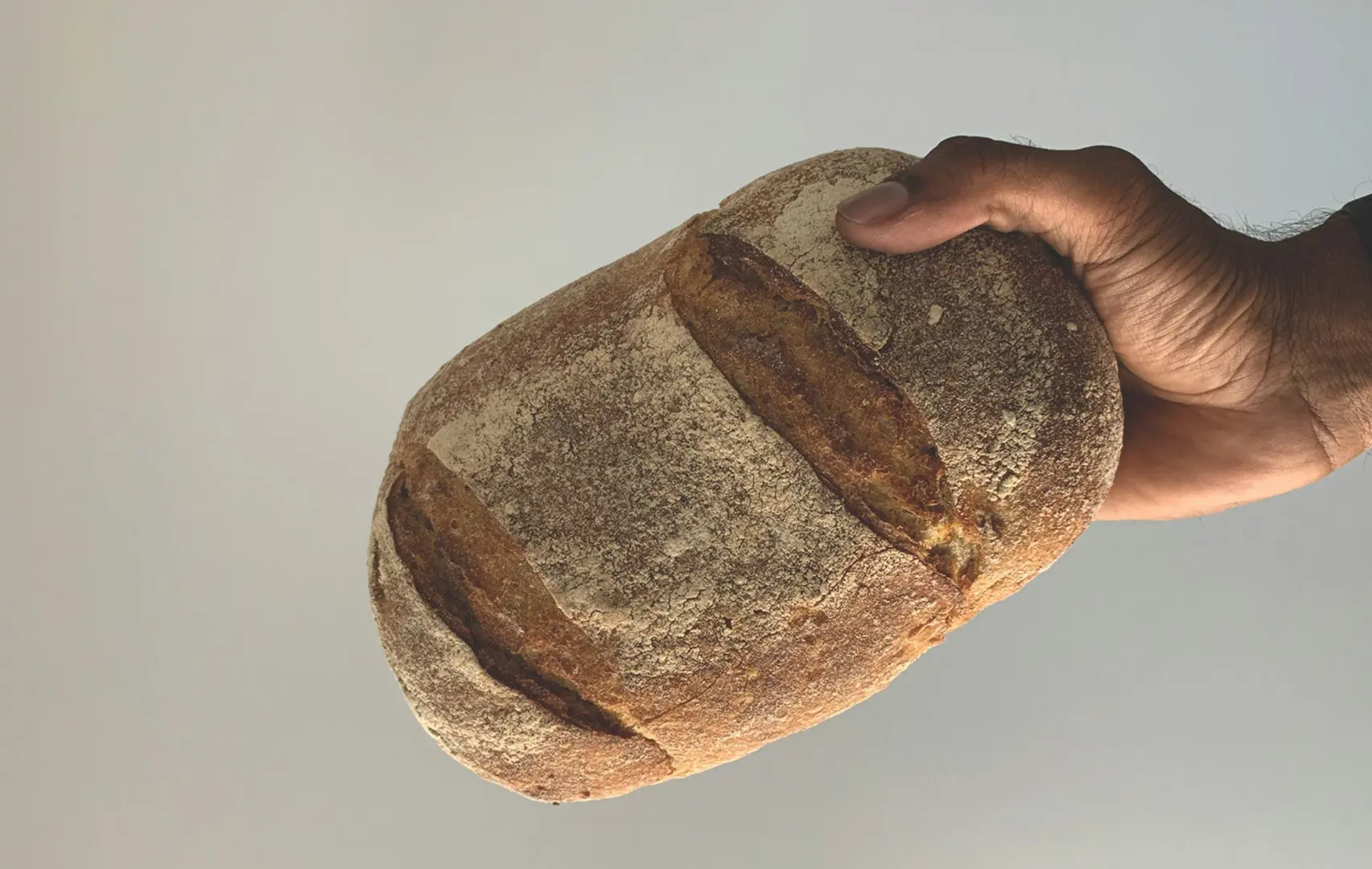
Jesus knows that Judas is going to be the one who betrays him. He also knows the consequences Judas will suffer and says: ‘It would be better for him if he had not been born’ (v21). Yet, in that moment, he still offers the bread and cup to him – a demonstration of inclusion, love and covenant.
It amazes me that, despite knowing all the pain and suffering that he is soon to endure, Jesus is still willing to share the Last Supper with the disciple who will betray him and another who will deny him.
When trials come our way, or when we have doubts and questions, we need to remember how faithful Jesus is to us. When life is full of good things and we have lots to be thankful for, we need to remember how faithful Jesus is to us. No matter what is going on in our lives, our response to his faithfulness should be consistent faith in Jesus.
Pause and reflect
- How confident are you in your faith?
- Can you identify areas of doubt?
- Can you identify questions you have?
While we often focus on Judas’s betrayal of Jesus in the Easter story, Peter’s denial of Jesus may hit closer to home for us today. Many of us will have been faced with doubts or shame when challenged to stand up for what we believe. When others ask questions about our relationship with Jesus, we should have boldness to remain faithful and make that faith known.
We are all invited to Jesus’ table of grace, forgiveness and acceptance. In verses 23 and 24, Jesus confirms this covenant between God and his people. Jesus knows our hearts and minds. In return for this incredible gift, God asks that we confess our wrongdoing and believe in Jesus – ‘the Lamb of God, who takes away the sin of the world!’ (John 1:29) – then, that we live trusting God to meet our every need. We can do this by having confidence in Jesus and showing faith and commitment, so that no one around the table would be able to doubt that we are ‘faithful’. Then we can confidently ask: ‘Surely you don’t mean me?’
Take time to meditate on General Albert Orsborn’s words:
My life must be Christ’s broken bread,
My love his outpoured wine,
A cup o’erfilled, a table spread
Beneath his name and sign,
That other souls, refreshed and fed,
May share his life through mine.
My all is in the Master’s hands
For him to bless and break;
Beyond the brook his winepress stands
And thence my way I take,
Resolved the whole of love’s demands
To give, for his dear sake.
Lord, let me share that grace of thine
Wherewith thou didst sustain
The burden of the fruitful vine,
The gift of buried grain.
Who dies with thee, O Word divine,
Shall rise and live again.
(SASB 610)
Bible study by

Captain Ben Ellis
Corps Leader, Clydebank
Discover more

A 40-day Bible reading plan with 40 song lyrics for reflection and a Bible reading for each day, alongside a page for your own journaling.

Resources originally created for Lent, which can be used as a thematic series to further heart transformation.
Ivan Radford explores portrayals of Jesus and the events of Easter on film and TV.

Captain Chris Kelly reminds us of God’s faithfulness despite our sinfulness.