
15 August 2026
Digital Rewiring of Childhood: Training to help young people

Lyn Woods hears from Director of Addictions Lee Ball and Children’s Specialist Tracy Wood (Children and Youth) about the Army’s Digital Rewiring of Childhood training.
A collaboration between the Addictions, Children and Youth and Homelessness teams, Mindset is an online training course and play-based reparative resource. It’s designed to equip leaders to help young people be more resilient and cope with what life throws at them. The Mindset course is delivered at two levels: a short and an enhanced course. Digital Rewiring of Childhood is one of the modules in the enhanced course.
What is Mindset?
Lee As people, we interact through a process called serve and return. I’m passing something to you; you’re giving it back to me. Serve and return is a way that children learn to interact with adults. Mindset offers opportunities for building on that serve and return relational dynamic of interacting with each other.
Tracy Mindset is open to anyone who works within an Army setting or context with children and young people, whether that is mentoring children in a school environment or being with young people as part of the Army’s street-based youth work, family hubs, day centres or family services. It isn’t open to external candidates at this stage.
What is the Digital Rewiring of Childhood module?
Tracy It is a 2.5-hour module that focuses on exploring technology’s role in young people’s lives and its benefits and challenges for their development. Everyone who attends is given a set of training handouts and toolkits.
How did this new element of the course evolve?
Lee In a couple of ways. I was doing a lot of training around adverse childhood experiences (ACEs) and began collaborating with Tracy to spread this knowledge. Through training people in adversity, and what happens when people experience poor attachment and trauma, we realised more needed to be done and so we created and began delivering Mindset.
I was also in communication with Deputy Territorial Youth and Children’s Secretary Phil Ball and started to discuss the impact of social media on the very young. There was inadequate research data because it was so new. We started to wonder how digital technology influences and interacts with the attachment process. To put it into context, attachment is the most basic human need. We need to feel connection and safety. We get a real sense of who we are through the eyes of other people.
Digital Rewiring of Childhood was an acknowledgement that we have a lot of young people who are starting to develop a real dependence on technology as their main serve and return partner. They’re not getting much return, just scrolls of information and stuff that is not relational. This is not about saying technology is causing harm but, if we don’t understand the impact of technology, it has the potential to cause harm.
How does Digital Rewiring of Childhood help?
Lee Through risk reduction strategies. It isn’t shaming a person into understanding something. We all engage in things that soothe us that we know probably are not good for us in the long run, yet we choose to do it anyway
We’re not looking to stop behaviour, we’re looking to reduce any harm that it causes and compassionately understand what it is that they’re getting from it. We can work with people to hopefully achieve the same response from things that are potentially less harmful to them. This is an expression of Christian mission, an expression of love and kindness.
When are the next Digital Rewiring of Childhood sessions?
Tracy A standalone Mindset session of Digital Rewiring of Childhood runs three times a year. The next course is in 2027, with dates available soon.
Lee The Salvation Army is in a unique position, because we have the potential to operate from cradle to grave. Desmond Tutu is quoted as saying: ‘There comes a point where we need to stop just pulling people out of the river. We need to go upstream and find out why they’re falling in.’ Mindset is a practical response to stop them falling in.
- For more information, email childrenyouth@salvationarmy.org.uk.
Written by

Lyn Woods
Editorial Assistant, Salvationist
Discover more
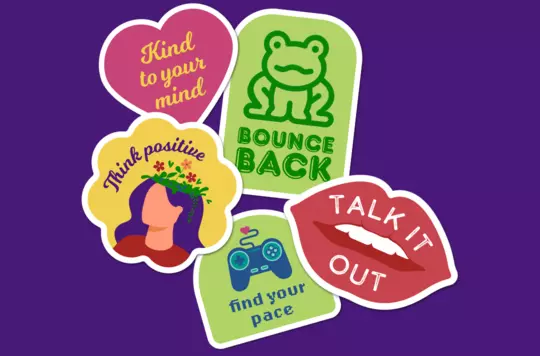
An online training course to equip leaders to help young people feel more resilient and cope with what life throws at them.

Lauren Westwood considers how our digital habits can help or hinder our relationship with God and other people.
Ideas to help you reflect on your digital habits and how they enable you to rest, be present and experience God’s presence.

Calum Montgomery reflects on spiritual focus in a social media age.