
17 October 2026
Fighting modern slavery: It takes an Army!
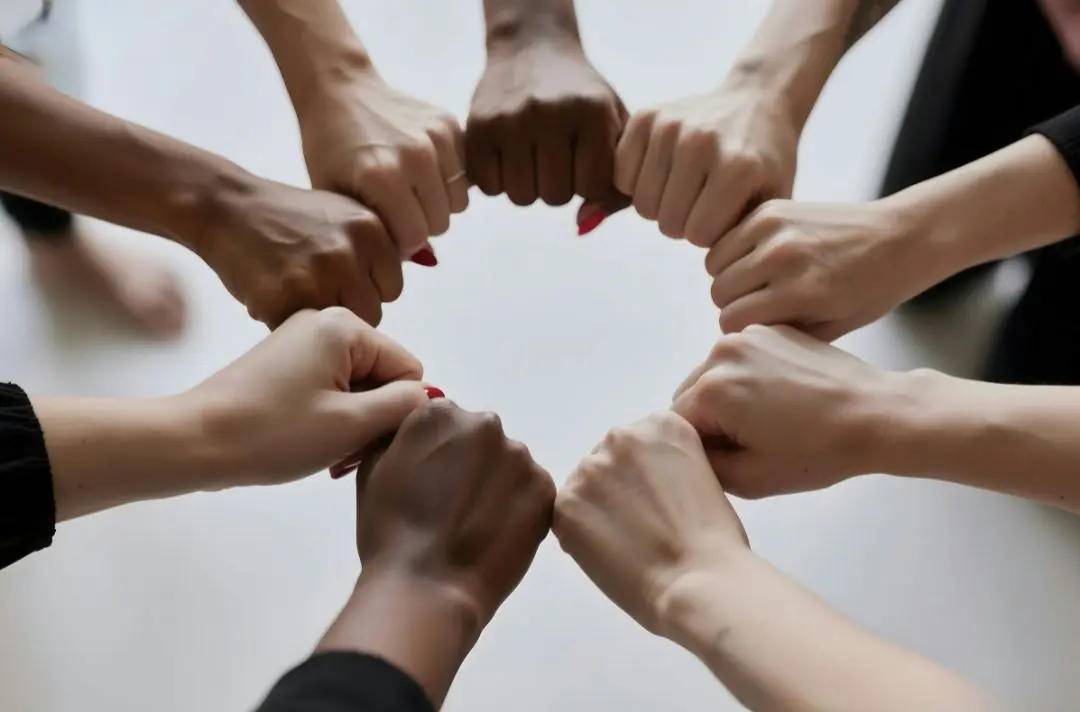
Salvationist hears how people are doing their part to combat modern slavery and support survivors.
The Salvation Army’s campaign for Anti-Slavery Day (18 October) tells us that it takes an army to combat modern slavery. That isn’t just a slogan; it’s a reminder that the Army’s work to tackle this gross injustice, and to support survivors as they rebuild their lives, is the work of hundreds of people, often out of sight and sometimes in unexpected ways.
Since July 2011, the Army has delivered the UK government’s contract to manage support services for adult victims of modern slavery. This work includes financial, legal and medical support, providing a safe place to stay, and access to counselling and educational opportunities when needed.
In many of these programmes, the specialist staff members who deliver them are aided by volunteers. Officers in chaplaincy roles also play a vital role in supporting survivors. And many corps across the UK and Ireland Territory play their part too, whether that is educating people to spot the signs of modern slavery, participating in the Way In, Way Out training around County Lines, or raising money to support the Army’s Survivors Support Fund.
‘It really does take an army!’ says someone from the integrated mission team within the Anti-Trafficking and Modern Slavery Department. ‘We are the body of Christ. We all have something we can offer that makes a difference.’
Part of the integrated mission team is BUILD, which sits outside the formal modern slavery contract, but helps with wellbeing and support, including a mentoring programme.
‘We partner two volunteer mentors with someone who is referred to us by a support worker,’ explains Mentoring Coordinator Clare Buckby. ‘We ask what the mentee wants to achieve and how we can come alongside and support them.
The mentoring currently takes place across London and the East Midlands, and the team is exploring opportunities in the North East and South West.
‘It tends to take place in spaces such as coffee shops, rather than people’s homes,’ adds Clare. ‘We have also partnered Employment Plus to do some online courses to support people.’
Mentors can come from all walks of life, Clare notes: ‘We’ve got people who have run their own business, people who have taken time out of work to raise a family and now their kids are in school and they want something to do. It’s really quite open to people who have a heart and want to make a difference!’
BUILD also runs workshops, which are often creative but also extend to other activities. They tend to be hosted in a corps hall.
‘If it’s something like football, or something more practical, it can be harder to rent or locate space, but we’re hopefully trying our first sports workshop soon!’ Clare explains. ‘We’re always open to conversations to see how we might work with a corps. If we did a workshop around something like baking, for example, we would look for a corps willing to have us use their facilities.’
Working with a corps also helps build connections, community and trust.
‘We all need community,’ reflects Clare. ‘Sometimes, someone a person loved and trusted played a part in their exploitation story, so part of us supporting them is helping them learn to trust again. There is an element of the Salvation Army brand being trusted, but it’s also just corps doing what they do: loving people and welcoming people into a space where they can come as they are.
How can people make a difference in their own corps?
‘I’d encourage people to ask us!’ says Clare. ‘You might be able to volunteer some time to do something creative or supporting people to get out and about in their community. It could be donating essential items for a welcome pack when someone gets to a safe house.’
‘You don’t need to know where a safe house is to help provide toiletries or other items!’ agrees the integrated mission team member.
In Scotland, Major Alison Raybould, anti-trafficking and modern slavery coordinator for Scotland, does a lot of work to raise awareness around modern slavery, including at the Commonwealth Games in Glasgow this year. Corps have also made prayer blankets for survivors of modern slavery.
‘The blankets are beautiful,’ says the integrated mission team member. ‘It makes such a difference for the person who snuggles up in them, and every stitch has been prayed over.’
Combating modern slavery can also simply be praying for survivors, for the Army’s work and for the hearts of human traffickers to be changed.
‘Can you commit to a year of praying?’ asks the integrated mission team member. ‘There are new resources for praying for freedom from modern slavery – why not read a prayer individually or as a corps every day? Can you commit to a year of discerning what you could do to help?’
‘At its simplest, integrated mission means working together for the common goal based on our values and our mission as The Salvation Army,’ they continue. ‘We align because we are all followers of Jesus. So if you think “I could do four sessions on frosting a cake”, or you are good at music or gardening, get in touch! Everything God has given us as a gift can potentially be used to help.’
- If you are interested in working with the BUILD team as a volunteer, mentor or as a corps, email build@salvationarmy.org.uk.
Discover more
Norree Webb talks to George Tanton about the volunteer first responders interviewing modern slavery survivors.
Find out how you can stand in solidarity with survivors this Anti-Slavery Day (18 October) and beyond.
Jo Taylor tells George Tanton about how student advocates will help the Army’s fight against modern slavery.
Salvationist finds out why people choose to volunteer for the Anti-Trafficking and Modern Slavery Department.