
7 March 2026
Holy discernment: Listening intently to God
Commissioner Jenine Main
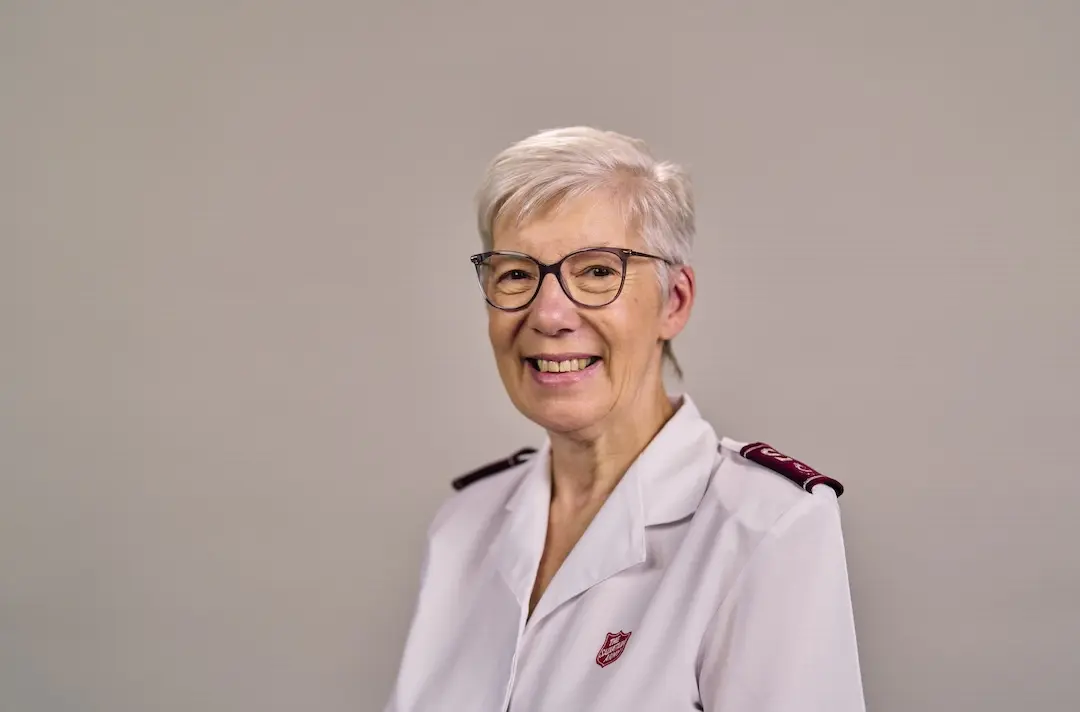
Territorial Leader Commissioner Jenine Main reflects on recognising the will of God.
At this year’s territorial prayer gathering, we are giving intentional space to explore and practise holy discernment – not as an abstract spiritual idea, but as a vital way of life for those called to be God’s people. At a time where decisions are increasingly complex and pressured, we are choosing to pause together and ask a deeper question: How do we genuinely seek and recognise the will of God – together?
The Blueprint for Better Choices encourages us to discern God’s will carefully as we consider the five focus areas outlined within it: Courageous Discipleship; Prophetic Voice; Most Marginalised, Most Excluded; Children and Youth; and Growing Leaders. As we consider these, we want to make good choices. To do this we need to listen more intently to what God is calling us to.
Holy discernment invites us beyond efficiency and expertise into attentiveness, prayerful listening and shared dependence on God. It asks us to slow down, make space and trust that God is present and active in the midst of our decision-making.
Discernment, at its heart, means to distinguish. Spiritual or holy discernment is the ability to distinguish between that which is of God and draws us closer to him and that which is not. It involves giving careful attention to God’s presence and activity in both ordinary and significant decisions – personally and corporately.
Scripture reminds us that discernment is not about having all the answers. In Romans 12:2, Paul speaks of being ‘transformed by the renewing of your mind’ so that we may ‘test and approve what God’s will is’. Discernment is less about certainty and more about posture – openness, humility and willingness to be led.
The Bible offers rich examples of God’s people practising discernment in community. In Acts 6 and Acts 15, leaders faced complex and potentially divisive issues. Rather than rushing to solutions, they gathered, listened, prayed and sought unity. In 2 Chronicles 20:12, King Jehoshaphat openly admitted: ‘We do not know what to do, but our eyes are on you.’ The people stood together before the Lord, waiting until God spoke.
Writers such as Ruth Haley Barton and Henri Nouwen remind us that corporate discernment is the shared capacity to recognise and respond to the presence and activity of God as a community. God often speaks not just to individuals, but through the gathered body – sometimes in surprising or uncomfortable ways.
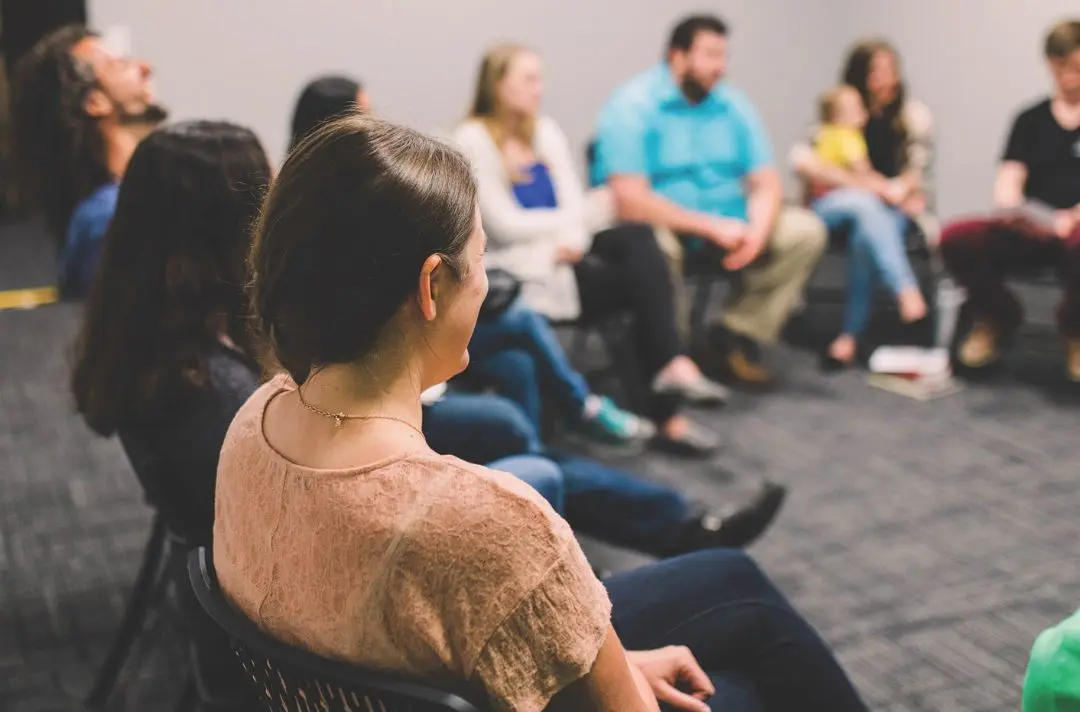
If holy discernment is to shape our shared life, it must be practised intentionally. It might feel slower, more vulnerable and less controllable than familiar decision-making processes. Yet it is this humility and trust that anchors our leadership in God rather than in our own wisdom. As Isaiah 55:9 reminds us, God’s ways are higher than our ways. Like Jehoshaphat and the people of Judah, we may not always know what to do, but we choose to keep our eyes on God.
Written by
Commissioner Jenine Main
Territorial Leader
Discover more

Major Gary Lacey reflects on why we need quiet in our daily lives and how to create space to listen to God.
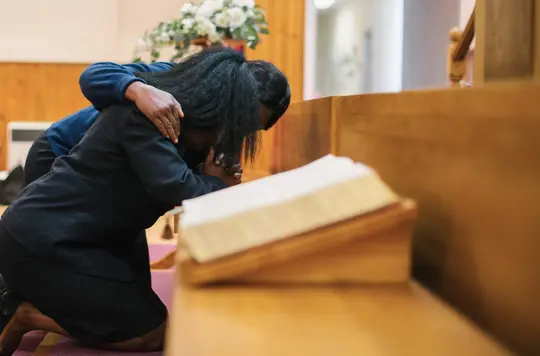
We asked Salvationists across the territory what motivates them to speak with God in prayer.


A territorial framework with focus areas and key questions to guide decision-making.