
14 November 2026
Known by name: Going deeper in church community
Salvationist finds out how and why corps are going deeper in relationships with each other.
Scripture tells us that God knows us by name (see Luke 10:20 and John 10:3). How many people in your church community do you know by name? How much do you know about what’s going on in their lives?
We are very good at recognising loneliness in the world, but sometimes we don’t notice it when it’s under our noses. We all know the fear of being alone, abandoned or rejected, even if we might not admit it. That’s why there is such power and comfort in the experience of being welcomed into God’s loving arms. But there will be people within our circles who don’t know that feeling, or haven’t felt it in a while.
God knows us by name and knows what we need, and his answer is so often found in two words: each other. Because we all need people to journey through life with.
In the past few months, a small, but significant trend has been encouraging, inspiring and challenging: corps writing in to tell Salvationist that they’re being intentional about building deeper relationships.
In Salisbury, a corps retreat saw a wide cross-section of the fellowship invest in a day of being together.
‘Sharing together over a meal was special and reminded me of how Jesus made this a feature of his ministry,’ says corps leader Captain Martin Davison. ‘There was a real sense of being together. This has helped to build a better understanding of each other’s worlds beyond what we present on a Sunday.’
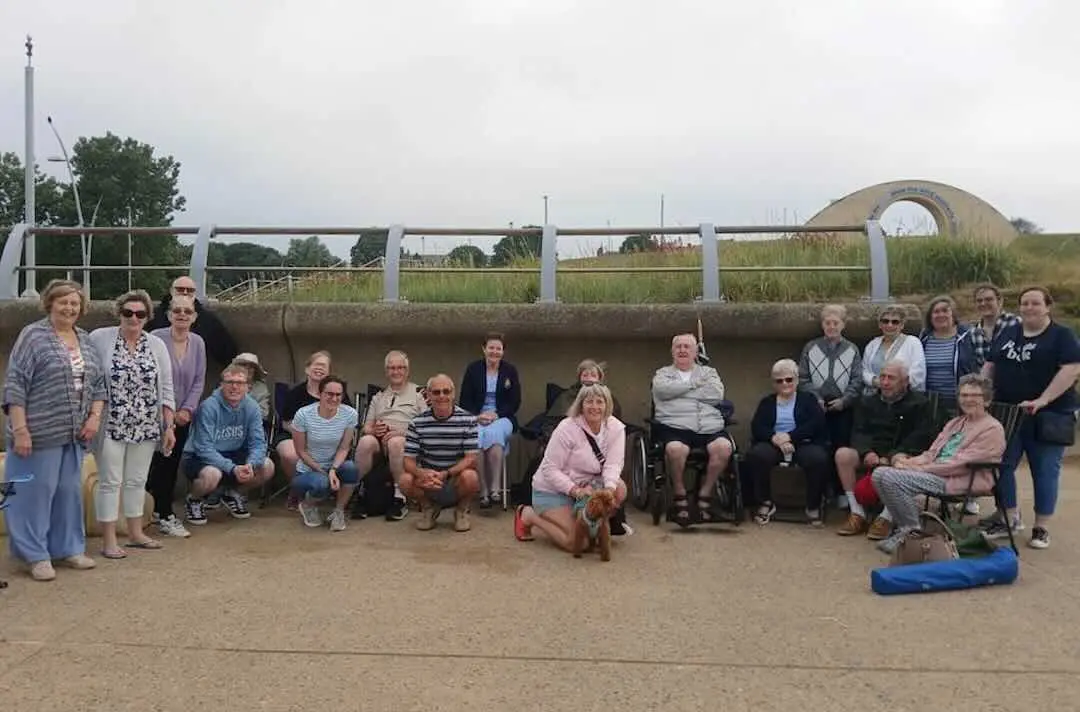
At Sherburn Hill, an annual day out to South Shields for fish and chips at the beach became an opportunity for intentional conversation.
At Coventry City, generations of members came together for a picnic in a park, which was part of a wider programme to create opportunities for people to build deeper relationships.
All of them were marked by a conscious desire: to know each other better.
‘We’re trying to be more intentional about our relationships,’ says Lieutenant Georgia Smith (Sherburn Hill). ‘We’re very intentional in our outreach, but we’ve realised we need to spend more time as a church family. At the beginning of the year, I did some teaching on being an Acts 2 church. Part of that was breaking bread and doing life together. So we put a couple of dates in the diary!’
Activities and events are fantastic opportunities to grow closer together, but it’s the intent that makes a difference – and that can be in small gestures.
‘It’s important to be able to pray with each other,’ says Georgia. ‘I’m trying to introduce time for discussion into Sunday worship as well – not every week, because it’s not everybody’s cup of tea – when people can chat about the Bible passage together.’
At Salisbury, Bible studies at Lent and Advent have seen growing attendance, and provided safe spaces for people to grow in confidence and know that their voices matter. Major Christine Parkin and a small team have also started a weekday friendship circle for people looking to be with new friends for a relaxed afternoon.
Sometimes, going deeper in community can be as simple as creating an environment where people are happy to stick around after a meeting.
‘We have tea and coffee, and people sit and chat,’ say Majors Jenny and Steve Forman (Coventry City), ‘but we’ve noticed that period is lasting longer now.’
At a large corps, such as Coventry City, it can be particularly tricky to create a close community where people don’t feel anonymous or on the sidelines.
‘We’ve got a lot of initiatives happening and we’re trying to connect with the community, but we want to make sure we don’t lose our own people,’ say Jenny and Steve. ‘That afternoon in the park was lovely, because we had hours together, and it was an event where people who might feel like they’re on the fringe could come. We also have a monthly Sunday lunch for everyone. It’s about looking for things where people can just sit next to somebody and chat.’
‘Our after-meeting hospitality has become much more than a quick cup of tea,’ reflects Martin. ‘The duration has extended. Folk often pray with each other and continue deeper stories of encouragement or challenge.’
‘We’re introducing tea and coffee after the meeting once a month,’ says Georgia. ‘People are staying longer and chatting, which is lovely. God is doing something.’
These all are impactful because they’re intentional. Because we can be so tempted to turn things into a to-do list or start a new activity. But God isn’t necessarily asking us to become busier or more productive. Perhaps God is calling us simply to spend time with one another.
‘I grew up in a busy corps,’ reflects Martin. ‘Sundays were tightly packed and sharing together in a meaningful way was difficult. Anyone coming to a meeting, especially for the first time, could have been puzzled as to why people seemed to be in a hurry to leave. I think this mindset is changing or has changed. Hallelujah!’
‘The Covid-19 pandemic perhaps made us think more about community,’ he adds. ‘Our fellowship has also dramatically changed in the past six years, both in ethnic diversity and age range. Have we learnt a more relaxed approach to sharing together as some of our new friends have modelled an approach of being generous with their time to listen to one another?’
‘Looking after each other is such an integral part of who we are as Christians,’ says Georgia. ‘It’s something we want at the heart of our church. That flows into our relationship with our community as well.’
After all, loving God and loving others has never been about doing to, but being with.
- Is God doing something where you are? We’d love to hear about it! Contact the team at salvationist@salvationarmy.org.uk.
Discover more
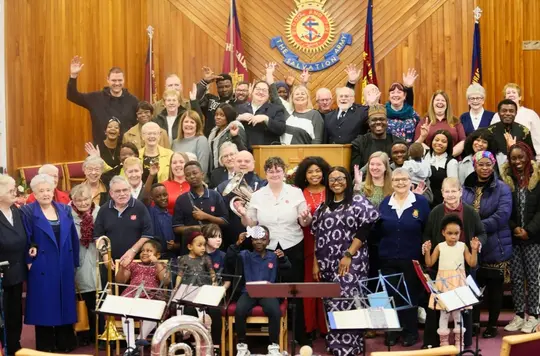
Salvationist hears from some of the corps who are embracing diversity, inclusion and intercultural ministry.
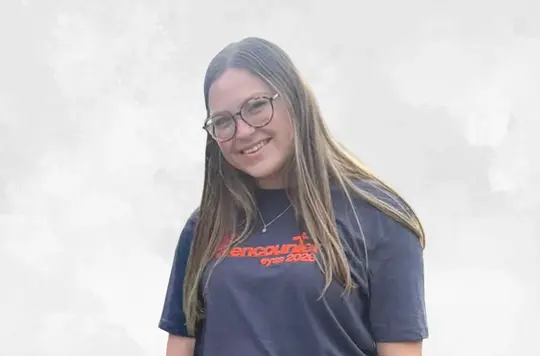
Charlotte Jacobs (Ipswich Citadel) thanks God for how he has worked in her life through the people he has placed around her.
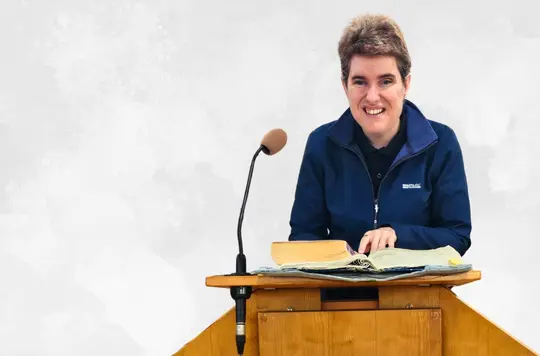
Vicki Manley (Hereford) thanks God for an inclusive corps community that encouraged her to follow a calling.

Discipleship material to support leaders in building authentic, Christ-centred community.