
30 September 2026
Transforming people, places and practice
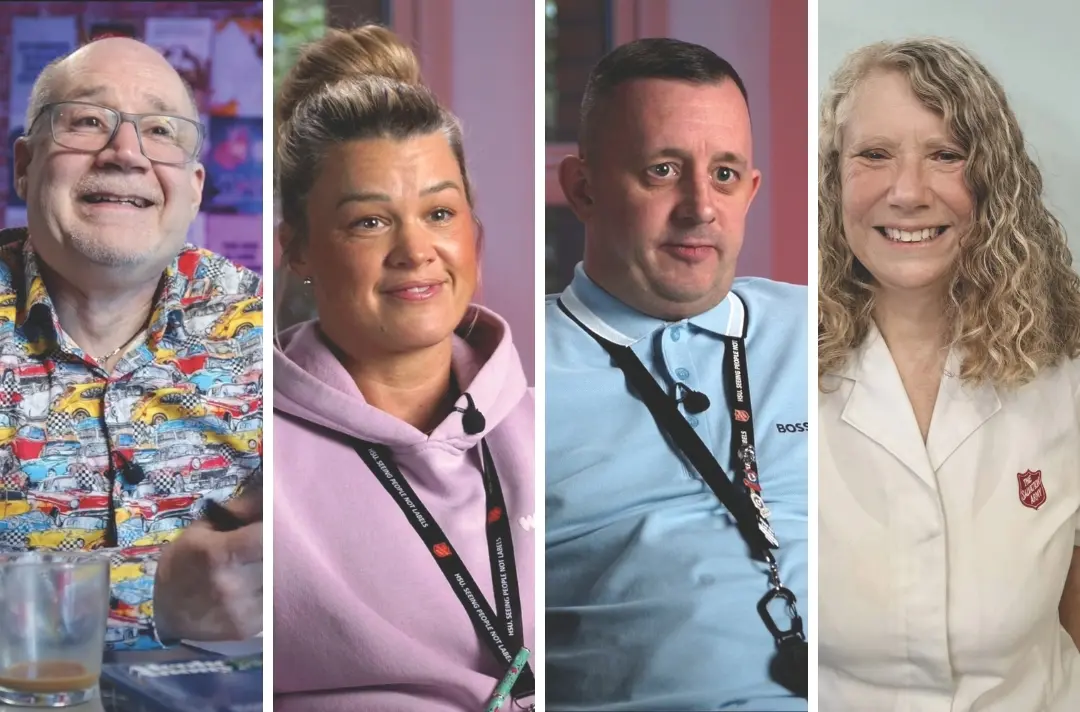
Salvationist hears stories from the front lines of The Salvation Army’s Homelessness Services.
Fraser McLaughlin
Centenary House Lifehouse, Belfast
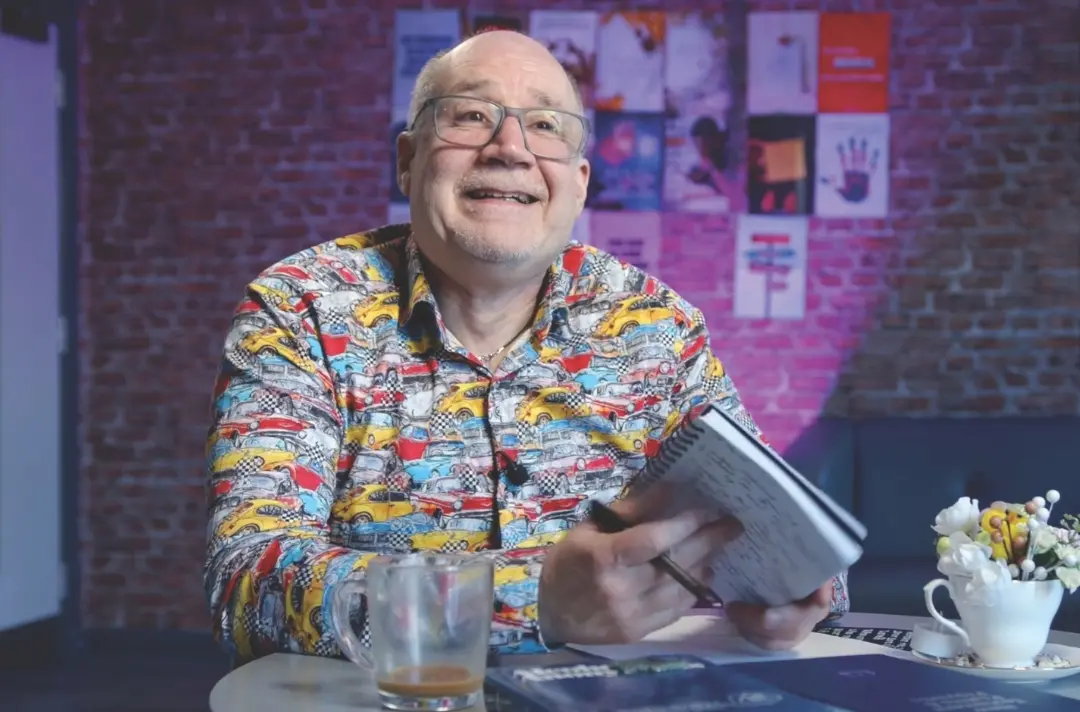
I spent 10 very, very happy years in Belfast, until I caught the disease of addiction. At 48 I took my first line of cocaine. At 49 I was begging for help.
I ended up in a drug den in East Belfast and got heavily beat up one night. I ended up at Ulster Hospital wanting to die. Eventually, somebody said: ‘We’re not checking you in. We don’t want you to come into this hospital. The best we can do is phone the Welcome Centre.’
I didn't know what the Welcome Centre was, but they brought me to Centenary House. Staff always took an interest in me, but I had no interest in myself. I used to sneak in and out of the dining room when they weren’t looking in case somebody asked me to sit down and have a chat - it was the last thing I wanted to do.
Chaplain Captain Martyn Evans kept pushing me and it was at that point that I was determined to get into rehab. The whole management team got behind me! I was four weeks in detox at Carrick 1. Martyn drove me there. And then four weeks in Carlisle House.
Martyn told me that all the staff were looking forward to having me back. I don’t think they realised what a pain I was going to be when I came back clean and sober with a voice!
I didn’t treat my disease when I was three years sober. I’m treating it now. The recovery journey is a journey, not a destination. I’ll never get to the end of that journey, but what a fantastic journey it is. I know what I want to do is help people.
- Watch the full video of Fraser’s story at Homelessness Sunday Resources.
Support Worker Lauren Bracewell
Bramwell House Lifehouse, Blackburn
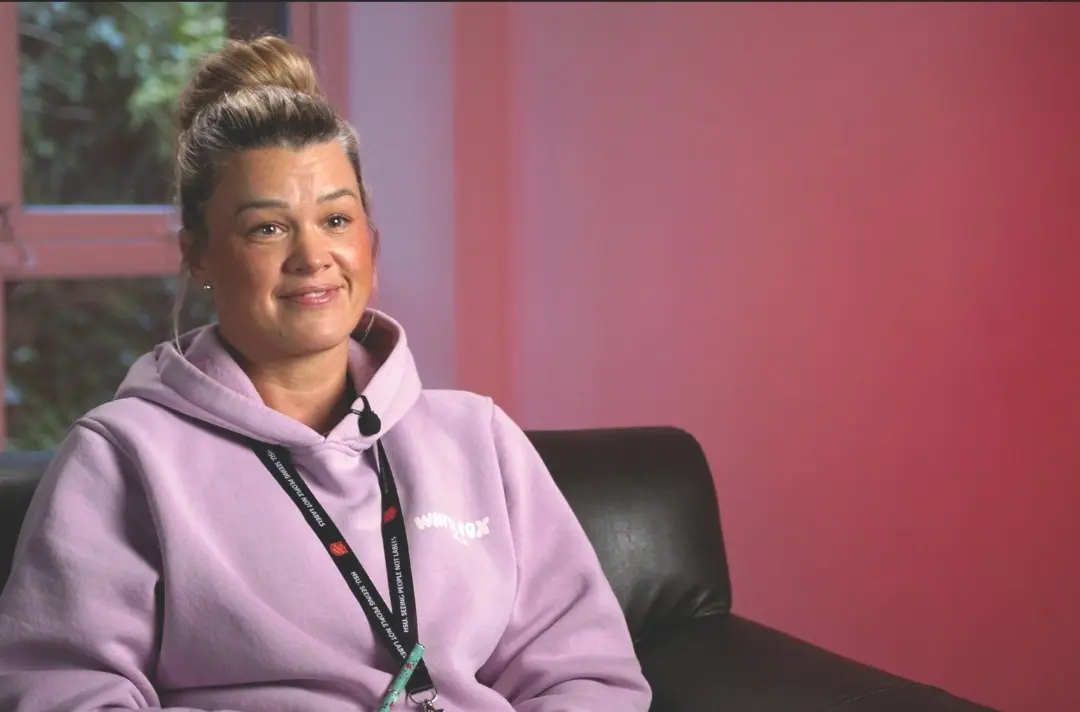
I’ve worked here three years, and it was the best employment decision I ever made.
You get people who come in and they’ve been homeless for 10 years. When we have successful move-ons, it might be the first time they’ve ever had their own property. So you teach them budgeting advice, cooking skills, fitness...
Trauma plays a huge part in a lot of our residents’ lives - some don’t even realise they’ve got trauma. It could be childhood trauma, or it could be PTSD from childhood, adulthood or the services; it’s a whole range.
We do get people who haven’t had trauma. They might have had affluent parents and the best of everything, but they could have just got in the wrong crowd. Sometimes it’s as simple as that.
Then you have people who have deep trauma. A lot of people bury that down, and that’s where you’ve got a lot of work to do.
I do a fitness class where we’re growing community every day. At the end of a session, everybody's fist pumping. Staff interact with service users - it’s teamwork, and that’s what really thrives in this place.
We would not do this job if we did not care. You have to have passion because, if you don’t, you’ll give up. And we can’t give up on people, because so many others have given up on them - that’s not what we do.
- Watch the full video of Lauren’s story at Homelessness Sunday Resources.
Support Worker Shane Calvert
Bramwell House Lifehouse, Blackburn
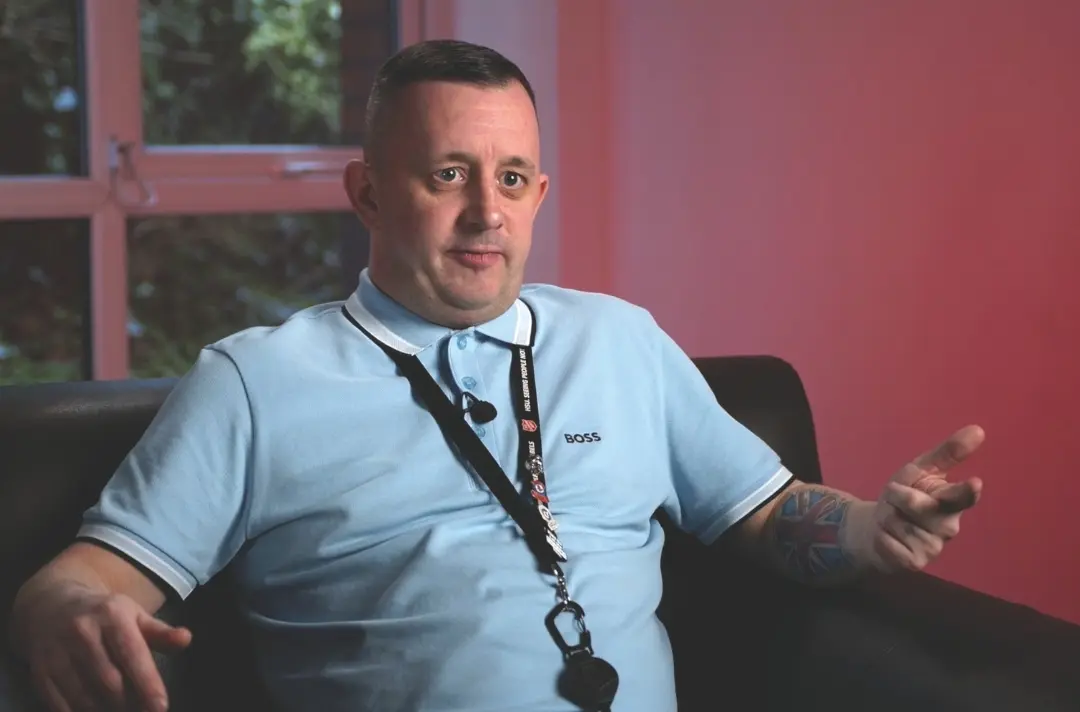
I’ve worked here for three years - probably three of the best years of my life.
I did time in prison, so I got into voluntary work with an organisation called The Big Local and I set up another organisation called Shad Chefs, doing men’s mental health.
We treat everyone with respect here, everybody’s an individual and everybody’s got their own needs. We try and tap into what people are good at. It’s about finding that and then going: ‘Let’s get you into this, let’s get you into that!’
I run a music group here. Music is very social, and you see people coming out of their shells when they start singing. I’m also involved with Shad Chefs Man Hub. That’s a men’s peer-to-peer mental health support group. We sit in a circle and have set questions. At half-time, we have local pizza places drop us a load of food. That’s another social aspect - when people are eating, your guard drops automatically and you open up even more. You see people who don’t usually talk to each other talking about their day-to-day lives and issues. It’s really good.
We need to give people a chance. When you see the light come on, you think, ‘Yeah!’
- Watch the full video of Shane's story at Homelessness Sunday Resources.
Chaplain Major Heather Coles
Republic of Ireland Family Centres, Dublin
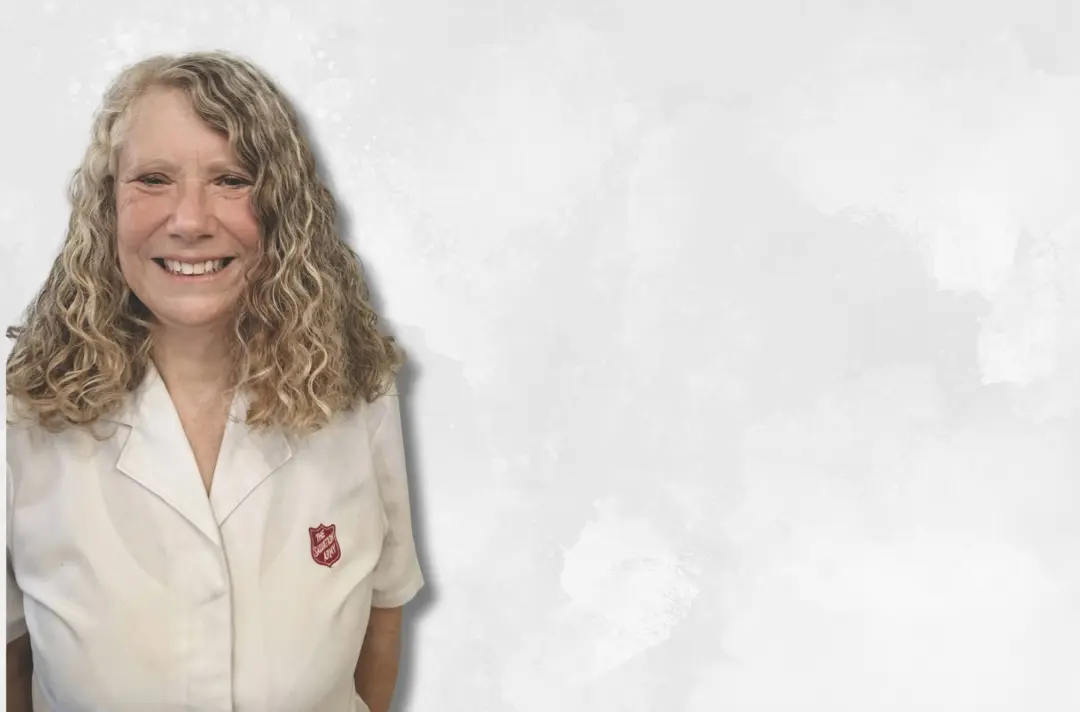
I’ve been working in chaplaincy for eight years and I'm in my third year at Dublin. Homelessness is stark, but it’s not always caused by what you think. Sometimes, a family becomes homeless through things they have no control over. A landlord suddenly decides they don’t want anyone in their property any more, and the family - who have been living there for years - are homeless for the first time. Like in adult centres, people have mental health or addiction struggles. Lives can be chaotic, and you never know somebody’s backstory until they’re ready to speak to you.
The first thing I do when I arrive is walk the building and pray. If I see anybody on my way, I’ll stop and chat. If they know I’m in the building, they tend to come and find me. Very often, I see families at the bus stop or on their way to school. People know I’m a safe space, so they bring me their prayer requests. It’s a moment when we can stop and have a connection. Chaplaincy is a presence ministry; it’s all about building up relationships and being Christlike. Recently, a whole load of the youngsters came running up and said: ‘Heather! Heather! We’ve got homework!’ So we sat down together.
The biggest challenge is seeing families in our centres for quite a long time because of the housing crisis. When there’s a breakthrough, it’s such a joyful time and you celebrate with them. As a chaplain, I feel privileged to engage with the residents, staff and families. It’s always a joy that they actually want me in the place. I just love my role!
Discover more
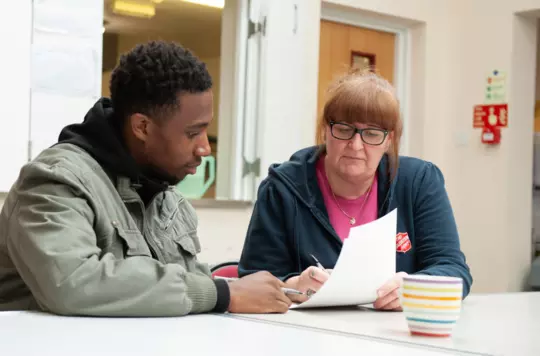

The Salvation Army's Homelessness Services offers some guidance on what you should do if you see a person sleeping rough or experiencing homelessness.
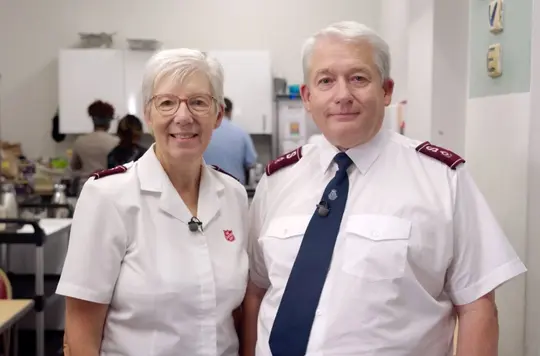
Territorial Leaders Commissioners Jenine and Paul Main highlight how The Salvation Army is working to bring hope and break the cycle of homelessness.
Resources to raise awareness of homelessness, foster prayerful reflection, and inspire meaningful steps. Materials available now.