
21 February 2026
Mark 14: The hour has come
Major Paul Knight
Major Paul Knight explores how a choice in Gethsemane benefits all who believe.
Key texts
Decisions, decisions, decisions! Our lives are full of decisions. In his book Existentialism from Dostoevsky to Sartre, Walter Kaufman makes reference to famous existentialist philosopher Jean-Paul Sartre, who said: ‘Man … makes himself by the choice of his morality.’ I think he meant that the decisions we take in life ultimately define who we are. Or, at least, they define the course of our lives.
Every day, we are faced with all kinds of different decisions. Our choices might range from what to have for breakfast right through to whether we should get married. For many of us, the more important the decision, the more we struggle to make it.
Pause and reflect
- I wonder what you consider to be the most important decision you ever made.
- How hard was it to make that decision?
In our study passage, we discover Jesus in the garden of Gethsemane, struggling with the most difficult decision of his life. I would argue that Jesus’ decision in that olive grove was the most important decision ever made in human history!
The Gospel’s writer makes it clear that it was, indeed, a decision, and that Jesus was, indeed, tempted to choose a different path to the terrifying one his Father had put before him. Jesus prayed: ‘Take this cup from me’ (v36). He knew that his all-powerful Father could offer him a different path. However, Jesus also knew that if he took that different path, God’s will for humanity would not be accomplished.
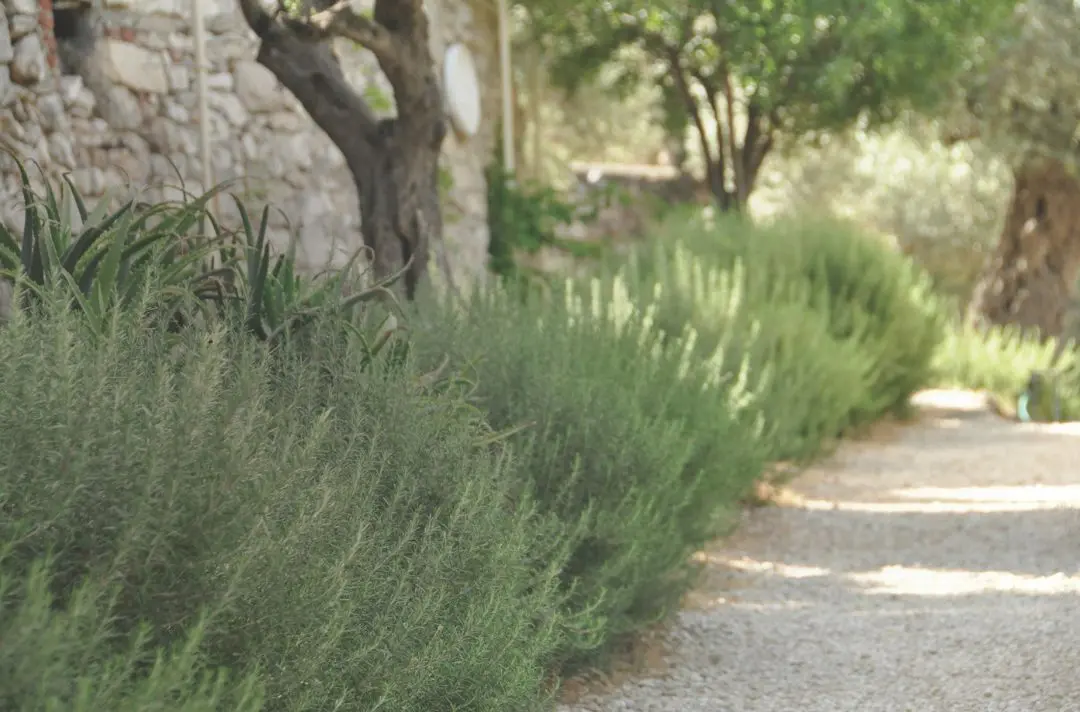
Jesus was clearly afraid of suffering. But perhaps his greater fear was that he would experience, at some point, the agony of a mysterious kind of separation from the Father – a fear perhaps realised when he cried out from the cross the words of the psalmist: ‘My God, my God, why have you forsaken me?’ (Mark 15:34).
Jesus had the most difficult choice to make: to choose to benefit himself or to choose to benefit everyone else.
Mark tells us that three times Jesus prayed the same prayer to his Father in anguished desperation. However, finally, he accepted he had to choose to follow the path that his Father had already set before him and concluded: ‘Yet not what I will, but what you will’ (v36).
Pause and reflect
- Jesus wrestled in the garden with the hardest decision he ever had to make. Have you ever struggled over an important life-changing decision?
- Why was it so difficult?
- What were the consequences of that decision?
- Do you believe that God was involved in that decision? If so, how?
In verse 41, Jesus’ exclamation is of someone who has made a decision. His words sound very decisive. He will face his accusers. He will let them arrest him, put him on trial, beat him, whip him and crucify him, and then he will die. This is a good example of how a decision only becomes a decision when it leads to an action, or deliberate inaction. Jesus’ action here is to accept his Father’s will by walking towards the armed posse that has come to arrest him. Here, Jesus’ exclamation – ‘Rise! Let us go!’ (v42) – expresses that his decision has been made and he is now going to act upon it.
Pause and reflect
- Think about an important life choice and how you acted on it.
- How did others respond?
- How did their reactions make you feel?
When Jesus predicted his own death, Peter rebuked him. I wonder whether the disciples were supportive or angry or shocked or confused to hear Jesus teach ‘that the Son of Man must suffer many things and be rejected … and that he must be killed and after three days rise again’ (Mark 8:31)?
I find it interesting that in the garden of Gethsemane, Jesus’ action is not to passively allow things to happen to him. He continues to speak prophetically and, when things become violent – resulting in the wounding of the high priest’s servant – the Gospels tell us that Jesus stops the violence and even heals his injured enemy (see Matthew 26:52 and Luke 22:51). Furthermore, Jesus tells his followers that his arrest is a fulfilment of Scripture (see v49) and they take that as their cue to give up their resistance and save themselves by running away.
In Gethsemane, we witness a sacrificial act. Jesus decides to sacrifice himself for others because he loves them and the outcome of his sacrifice is that ‘whoever believes in him shall not perish but have eternal life’ (John 3:16).
When we consider the big decisions that we have made in our lives, I wonder how they measure up against this greatest decision of all time. Was our love for others at least some of the motive for our decisions? Did others benefit more than we did from our decisions? Jesus sacrificed himself for me and for you because he loved us then and loves us still. In the garden of Gethsemane, God the Father asked his Son to sacrifice himself and, even now, is surely asking us, as his followers, to make some sacrifice of our own in order that others might know his saving love. Are you prepared to follow Jesus’ example, and make the sacrifices of love that God asks of you?
Pause and reflect
- Can you think of a sacrifice that you have made in order to benefit someone else?
- What motivated you to do that?
- What does Jesus’ sacrifice tell us about the nature of his love?
Bible study by

Major Paul Knight
Corps leader, Penge
Discover more
A 40-day Bible reading plan with 40 song lyrics for reflection and a Bible reading for each day, alongside a page for your own journaling.

Resources originally created for Lent, which can be used as a thematic series to further heart transformation.
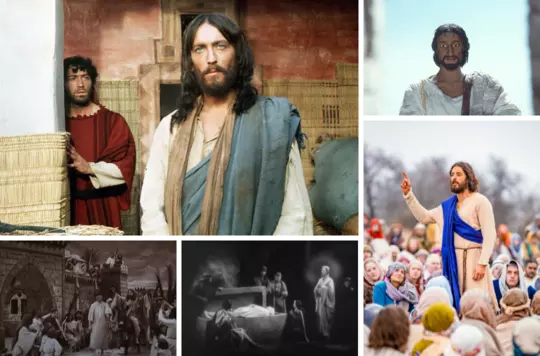
Ivan Radford explores portrayals of Jesus and the events of Easter on film and TV.
Captain Ben Ellis encourages us to remember how faithful Jesus is to us.