
17 October 2026
Nehemiah 2: A time to plan
Lieutenant Cat Brown
Lieutenant Cat Brown encourages us to discern where God is already at work and respond to his invitation.
Key text
- Nehemiah 2:11–20
Ecclesiastes 3:1 reminds us: ‘There is a time for everything, and a season for every activity under the heavens.’
As I write this Bible study, I am in a season of planning as my husband and I get ready to welcome our first child. Preparing for a baby involves so many practical decisions: choosing what is needed, organising our home, making sure everything is ready and fit for purpose. At times, planning can feel like a lack of faith. Should we simply trust God and see what happens?
In our study passage, Nehemiah shows us that prayer, trust and planning belong together. His journey begins with prayer, but his response also includes careful observation, thoughtful preparation and intentional action. Trusting God does not mean abandoning wisdom; often, faith calls us to prepare carefully while placing our confidence in him.
Pause and reflect
- How do you usually approach the future? With careful planning, spontaneous action or a mixture of both?
- Do you think planning shows a lack of faith? Why or why not?
Nehemiah arrives in Jerusalem and stays there for three days (see v11). We are not told exactly how he spent that time, but, after a long and demanding journey, it is likely he needed space to rest, recover and prepare. In a world that urges us to keep moving and achieving more, Nehemiah’s pause is striking. He does not rush into the work. He waits, he reflects and he prepares for what lies ahead.
When the time comes, Nehemiah sets out under cover of darkness with only a few trusted companions (see v12). He has not yet told the people why he has come. The priority is to focus on what God has put in his heart – to be sure about his calling.
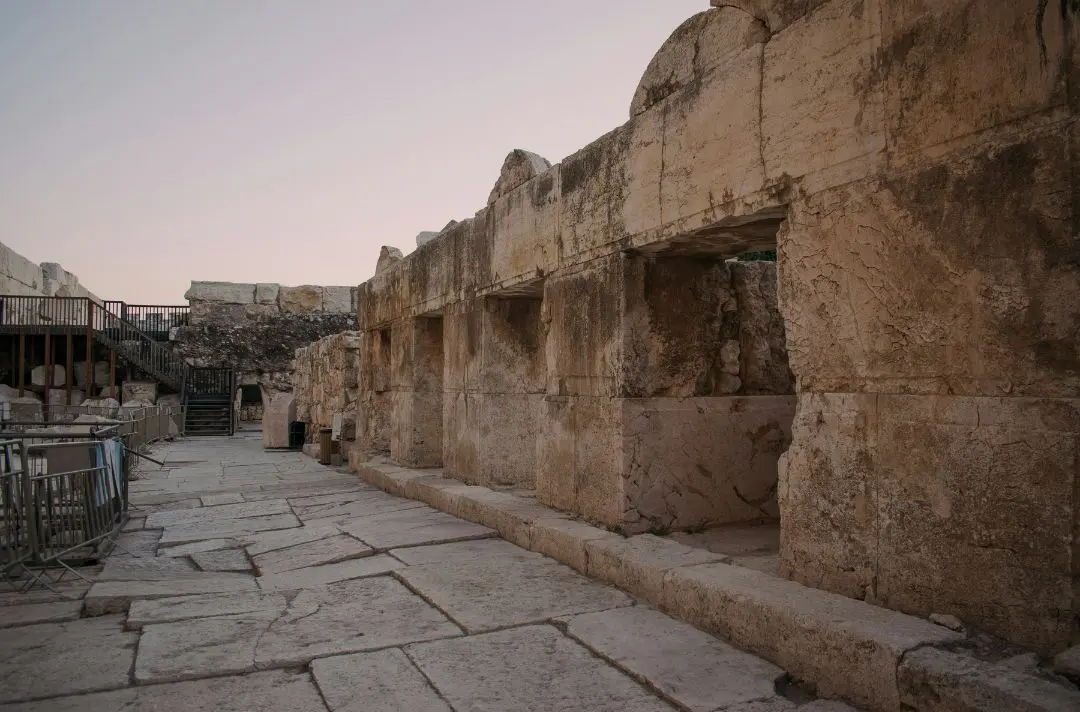
This restraint challenges a culture that often encourages us to announce plans too quickly. Nehemiah understands that the time is not yet right. He observes, assesses and seeks to understand the situation before acting. He does not simply ask: ‘What do I want to do next?’ He looks carefully at what is already happening and discerns what most needs attention. The damage is extensive, and a considerable amount of clearing will need to be done (see vv13 and 14). This would require time, energy and determination.
Pause and reflect
- When you face a big task or challenge, do you find yourself rushing in or taking time to pause and prepare?
- Where might God be inviting you to slow down, observe and listen before taking action?
Nehemiah is willing and ready to trust God to empower him for the work ahead and give him the insight he needs – it is God’s voice he needs to hear above all others. Therefore, he does not tell the priests, nobles and officials before he sets out on his night manoeuvres (see v16).
In verse 17, Nehemiah plainly names the problem: ‘You see the trouble we are in: Jerusalem lies in ruins, and its gates have been burned with fire.’ He does not minimise the devastation or turn away from it, yet neither does he give in to despair. Nehemiah faces reality with hope because his confidence is rooted in God.
This brought to my mind something Jesus said about a seemingly impossible situation: ‘With man this is impossible, but with God all things are possible’ (Matthew 19:26).
Pause and reflect
- What ‘broken walls’ do you see in your community, church or life?
- Are you willing to face them honestly?
Nehemiah does not stop at recognising the problem; he shares a plan and a testimony. First, he invites the people: ‘Come, let us rebuild the wall of Jerusalem’ (v17). He does not say: ‘I have a plan.’ Instead, he says: ‘Come, let us rebuild…’ The work is to be shared. This is something I believe we do well in The Salvation Army as we seek God’s purpose and invite others to take part in his mission together.
Second, Nehemiah shares his testimony: ‘I also told them about the gracious hand of my God on me’ (v18). His planning is grounded in what God has already done. Before calling people forward, he looks back and recognises God’s faithfulness.
Mission planning is not about building our own kingdoms or protecting our own reputations, it is about discerning where God is already at work and responding to his invitation.
Pause and reflect
- Where do you see God already at work? How might he be inviting you to join in?
- How does remembering God’s faithfulness give you confidence for what lies ahead?
Opposition soon comes through ridicule and mockery: ‘They mocked and ridiculed us. “What is this you are doing?” they asked. “Are you rebelling against the king?”’ (v19). Nehemiah does not argue or give up. Instead, he points to God as he claims: ‘The God of Heaven will give us success’ (v20). This reminds us that planning does not shield us from unexpected setbacks, criticisms or challenges – prayer and faith do not exempt us from difficulty. We are called to plan faithfully and trust God wholeheartedly knowing that circumstances may change but the God who calls us remains faithful.
Pause and reflect
- Where are you being challenged to trust God’s faithfulness more than your own plans?
- How might God be calling you to persevere despite obstacles you face?
Our study passage shows Nehemiah praying, travelling, waiting, observing, assessing, communicating and acting. At every stage, his confidence remains in God. A faithful plan is not a replacement for trust, but it can be an expression of trust. The challenge for us is to ask where God is inviting us to prepare, to act and to take the next faithful step.
Pause and reflect
- How might God be inviting you to plan today?
- What would it mean to take the first faithful step?
Bible study by
Lieutenant Cat Brown
Corps leader, Market Rasen
Discover more
Major Paula Knight encourages us to adopt Nehemiah’s prayerful attitude.

Captain Jane Entwisle encourages us to listen, trust and obey when God directs us.

Major Gary Lacey reflects on why we need quiet in our daily lives and how to create space to listen to God.
Territorial Leader Commissioner Jenine Main reflects on recognising the will of God.