
24 October 2026
Nehemiah 4: A time to push on
Major Matt Butler
Major Matt Butler calls us to be determined in the face of opposition.
Key text
- Nehemiah 4:1–23
Have you ever taken on a task or challenge with good intentions, only to realise it will be hard work?
A few years ago, I returned from a break in swimming to take part in Swim Serpentine and the Great Scottish Swim – one and two-mile open water challenges. As I trained, there were times I wanted to give up, times I needed others to encourage me, and times when, in order to keep going, I was literally shouting at myself as I swam.
During 22 years as officers, Sarah and I have felt God asking us to lead local Salvation Army expressions into new ministries and transition. There were times when we could have given up, times when others needed to encourage us, and times when we might have shouted at God or had strong words with ourselves.
Pause and reflect
- When have you faced a challenge while moving into something new or taking up a task?
Following four months of prayer for desolate Jerusalem, Nehemiah feels burdened by God to act (see Nehemiah 1:5–11). God allows him to petition the King of Persia, who gives permission for Nehemiah to leave the comfort of serving as his cupbearer and return to Jerusalem to rebuild the city. As exiles for decades, the Jews had only heard stories of home. Now they could start dreaming of returning.
Nehemiah reaches Jerusalem with others, assesses the walls and organises the rebuilding (see Nehemiah 2:11 to 3:32). In chapter 4, Nehemiah’s efforts draw the attention and opposition of others.
Pause and reflect
- Have you ever set out on something, only to face opposition from others?
When we face opposition, it is helpful to understand where it is coming from and to whom it is directed. Nehemiah’s opposition came from those living around Jerusalem who had enjoyed unopposed access to the city and its land for years. Therefore, the rebuilding of the walls impacted their desires, purposes and freedom.

Opposition comes from historic enemies of God’s people. They felt threatened. They did not understand the need to rebuild the Temple and city walls.
We need to recognise that people see what we do – individually and corporately – and have an opinion on who we are and what we do, even if they are not part of The Salvation Army. We can encounter opposition and challenge due to the expectations placed upon us by those outside our Movement. On a local level, the wider community, local authority and even other churches can seek to direct our mission and ministry. These expectations can be based on past experience, national campaigns or naive understanding of who we are.
For 15 years, Sarah and I were involved with leading three local pioneer settings of The Salvation Army. Very quickly, we realised that we had to have clarity about our purpose – clarity for ourselves and clarity in our response to the expectations placed upon us. Just as shire horses wear blinkers in order not to be distracted, we had to put on blinkers to keep us focused on God’s calling over us.
Our practice in those communities needed to be based upon God’s calling over us and our team. As a result of being focused on God, we faced opposition from those who didn’t understand us or God or his purposes for the local church.
Opposition can come in many forms, including conversations, emails, ridicule, damage to buildings or the withholding of funding. For Nehemiah, the opposition started as mockery (see v1). Then, as the wall progressed, the opposition moved to planning violence (see v8). Nehemiah responded with prayer and resolve: ‘Hear us, our God, for we are despised. Turn their insults back on their own heads. Give them over as plunder in a land of captivity. Do not cover up their guilt or blot out their sins from your sight, for they have thrown insults in the face of the builders… We prayed to our God and posted a guard day and night to meet this threat’ (vv4–9).
However, the increased level of opposition sowed fear and concern among the Jews. They started to see the task before them as overwhelming: ‘The strength of the labourers is giving out, and there is so much rubble that we cannot rebuild the wall.’ (v10).
Pause and reflect
- Can you identify times when opposition in various forms created uncertainty and fear in your corps?
- What was the response?
- What was the impact?
Nehemiah’s response was to also raise the stakes. He stationed guards, and called together the nobles, the officials and the rest of the people. He reminded them of their great and glorious God and that they didn’t need to be afraid. Nehemiah’s enemies heard of this response and did not attack.
As the walls continued to be rebuilt, Nehemiah put in place protective strategies to ensure the task would be completed. Men took turns building and keeping guard, and leaders stood among the people; labourers worked with one hand while holding a weapon in the other; all had weapons belted to them; and protocols were arranged to bring people together if attacked, expecting God to fight for them (see vv16–20).
Through prayer and strategic planning, the people stayed focused on rebuilding the walls while also being prepared to withstand opposition from their enemies. Nehemiah was able to demonstrate practical realism amid his spiritual devotion. No attack came, and the walls were completed.
Today, The Salvation Army corporately – and ourselves individually – can draw opposition from outside our ranks. We need, then, to ensure we stay focused on our calling to proclaim the saving power of Jesus Christ, which, in turn, brings transformation and an invitation to live life in all its fullness (see John 10:10).
Pause and reflect
- When do you feel tension between pleasing others and remaining faithful to God?
- How might you demonstrate practical realism amid spiritual devotion?
- Are you willing to push on through opposition to fulfil the purposes to which God called you?
Bible study by
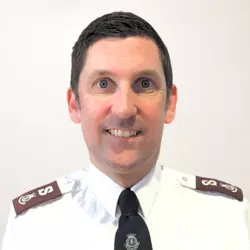
Major Matt Butler
Divisional Mission Officer, South East Division
Discover more

Major Paula Knight encourages us to adopt Nehemiah’s prayerful attitude.

Captain Jane Entwisle encourages us to listen, trust and obey when God directs us.

Lieutenant Cat Brown encourages us to discern where God is already at work and respond to his invitation.
