
28 February 2026
Addictions development officers: Who are they and what do they do?
Lyn Woods
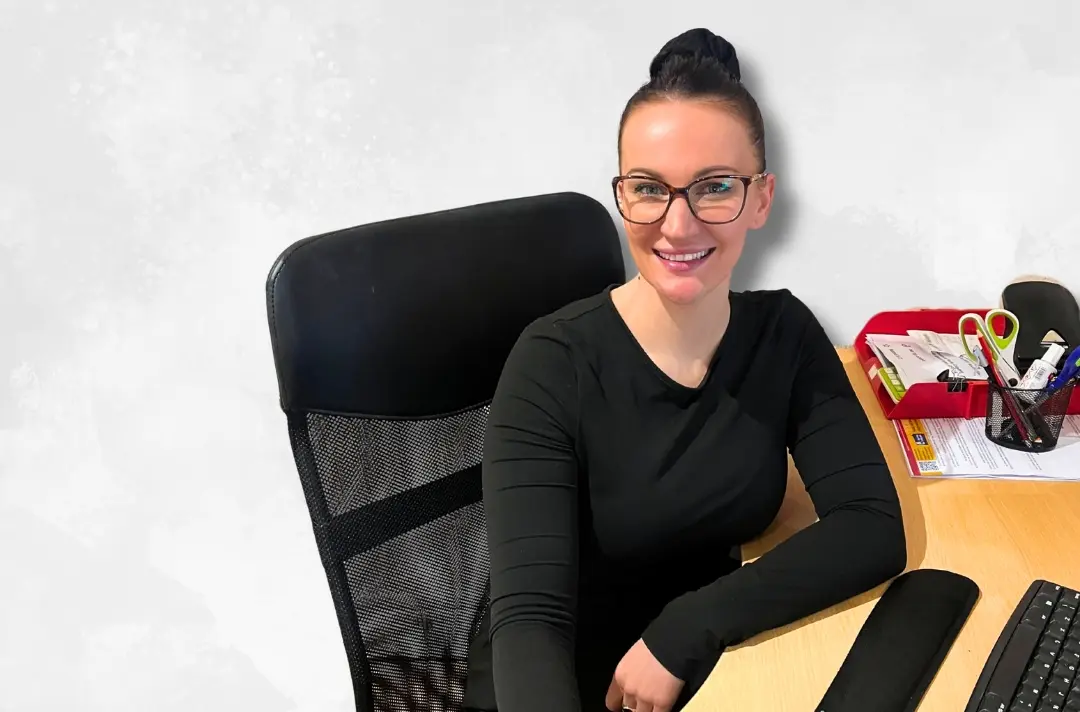
Zoe Jenkins tells Lyn Woods about her new role as one of the territory’s four addictions development officers.
Tell us a little bit about your career history.
I joined Tŷ Gobaith Lifehouse in 2014 as a specialist support worker for a year and then went on to work for local drug and alcohol support agencies and in the criminal justice system. I returned to Tŷ Gobaith as programme manager in 2021 and gained experience of managing a Lifehouse and how that fits into the Army’s wider mission. In my later years at Tŷ Gobaith, I managed the Abstinence and Stabilisation Programme, designed to support people in addressing their goals around substance misuse. I also took a two-year Master of Science in substance use with the University of Stirling through distance learning.
Why did you take the degree?
It grew from my frontline experience and a desire to explore the impact of drugs and alcohol and how substance use policy and practices impact individuals, families, practitioners and society. I wanted to strengthen that with evidence-based knowledge and practical tools, to better equip the people we support with knowledge, confidence and credibility. My studies are informing some of the work that the Addictions team will do and we’re already looking to develop more research on best practice.
How does your role tie in with the Army’s wider Addictions work?
It’s a unique and privileged role within a team whose services are respected and appreciated. Part of my role and responsibilities involve delivering a wide range of interventions, training and resources. It’s still very much helping mission and the practical side of things.
I see this role as offering connection. Connecting corps, services and national resources together so that we can work more effectively. Addiction is multifaceted and our response should be too. I see us bridging the gap between the services and supporting collaboration and sharing of good practice across the territory.
What are your hopes in your new role?
I hope this role challenges some of the misconceptions and stigma around addiction through evidence-based support. I hope to support and strengthen the amazing work already happening across the territory, to help services feel more confident and capable in responding to trauma-related issues that service users experience, whether that’s through advice, training or simply by being a sounding board for staff.
I’m passionate about reducing injustice and stigma and helping others view addiction through a harm reduction lens of dignity and hope. If we can help people prioritise safety while they work on overcoming their addiction, then I’ll feel like I’m doing something worthwhile.
While my role is more advisory, staying connected to real-life experiences is important to me. Everything I do is informed by the realities that people face and the challenges our services encounter.
How can we demonstrate compassion to people living with addiction?
Compassion always starts with listening and acceptance, without judgement or assumption. Addiction can be incredibly isolating. Offering some grace, respect and patience can make a huge difference, especially at the start of someone’s rehabilitation journey – meeting people where they are, recognising their strengths and reminding them that they are not defined by their addiction and that they deserve to live life to the fullest. Through compassion, I hope that we can facilitate change and offer hope of a better future, whether that’s physically, emotionally, spiritually or just being there for somebody in their time of need.
How can corps contact the Addictions team for advice or help?
Corps are places where people will see the red shield and will reach out for support. We want people at corps to feel equipped and confident to signpost people to the right place. I encourage people to reach out to us at addictionservice@salvationarmy.org.uk, whether it’s for advice, resources or a conversation.
Interview by
Lyn Woods
Editorial Assistant
Discover more
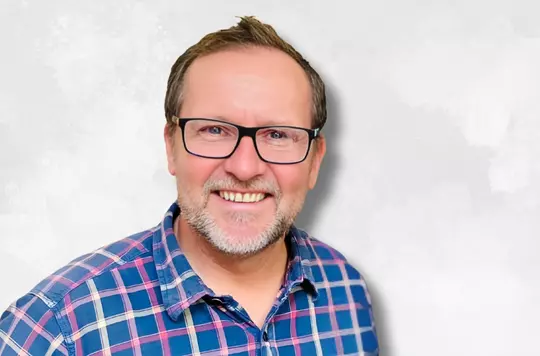
Community Manager Simon Fenn (Sheringham) tells George Tanton how addictions training helped him help others.
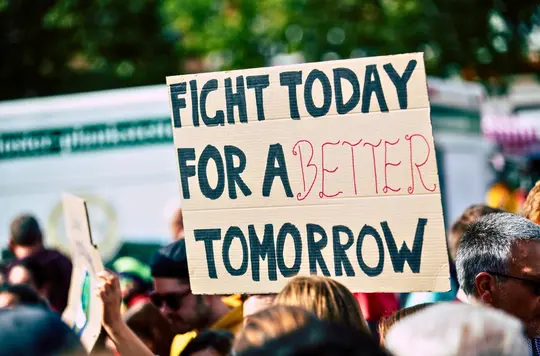
John Baraza Namunyu encourages us to embody a Christlike love that listens to the weary.

A network of communities supporting people to explore spirituality while in recovery from addiction, health conditions, and life struggles.
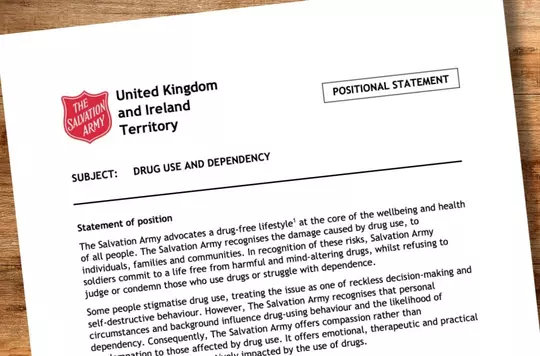
Major Will Pearson talks to Salvationist about the territory’s new positional statement on drug use and dependency.