
31 October 2026
Being accountable: The value of trust and reputation

Vicky Hardman (Director of PR, Messaging and Internal Communications) talks about the importance of accountability as an organisation.
How does The Salvation Army demonstrate accountability to the public?
I am so proud to work for The Salvation Army because we are unafraid to do what it takes to reach the most marginalised people in our communities and there are so many brilliant stories of transformation to tell. However, working with so many vulnerable people in so many different ways also carries risk, and part of my job is working out how to show the public that we are being accountable when things go wrong.
In times of crisis, it’s a very common instinct to try and protect the organisation and the people involved by saying very little and waiting for the storm to pass. However, good communications means being honest when we have made a mistake. As well as saying sorry, it’s important to show that we have listened and learnt from what happened and that we are taking action to show that we won’t make that mistake again.
Being accountable in this way won’t stop a bad headline in the news, but people will notice how we responded, which is the best way to move the story on. I am sure you can think of lots of stories in the news when big organisations have been slow to be accountable or tried to hide when things have gone wrong; the headlines continue, the hole gets bigger.
Being honest and transparent does not mean sharing every detail. We will often liaise with our legal colleagues, as if there is a potential court case or an inquest, this can limit what we can say for quite a long time and we will always be careful to protect everyone’s privacy.
Hearing a genuine apology can also be part of the healing process for anyone directly impacted by a mistake we have made.
Do a few bad headlines really matter?
Over time, bad headlines erode trust. Government and local authority contracts are built on trust. People only volunteer or donate to organisations that they trust. Having the confidence to turn up at a corps for worship and walk through the door requires trust.
We are a highly trusted organisation, but that can never be taken for granted. It’s an old cliché that today’s headlines are tomorrow’s fish-and-chip paper, but in the digital world that is no longer true. Headlines linger online and can be repeated on social media and reach more people, which impacts levels of trust.
Part of protecting our reputation is also about challenging the things circulating online that are not true. But that’s exactly why good levels of trust are important. When the public trust us and they see us being accountable and transparent, they will be more likely to disregard the half-truths and rumours that will always circulate.
Should we be accountable for things that happened a long time ago?
Saying sorry and showing how things have changed can feel easier when it’s something current, but it’s also important when it comes to reassessing how things were approached in the past. Societal attitudes and practices change over time, but it’s not good enough to say ‘that was how things were done then’ – we still need to show we are sorry and that we have changed.
Is scrutiny from the public and press a good thing?
Media scrutiny is a good thing because it can help lead to change. We use it to our advantage when we challenge the government about social injustices, such as homelessness. Every organisation should be able to show that they are spending money wisely, operating legally and treating people with dignity and care.
Our high profile is a double-edged sword; our high levels of trust mean that we can reach more people, but can also mean people expect more from us.
Most of our focus in the Communications Service is about telling the many stories of lives transformed rather than reputation management but, when things go wrong, we are here to help. No organisation is perfect, but every organisation should be accountable.
Discover more

Kids Alive! Editor Cara Mott explains how mutual accountability is key to making the weekly comic.
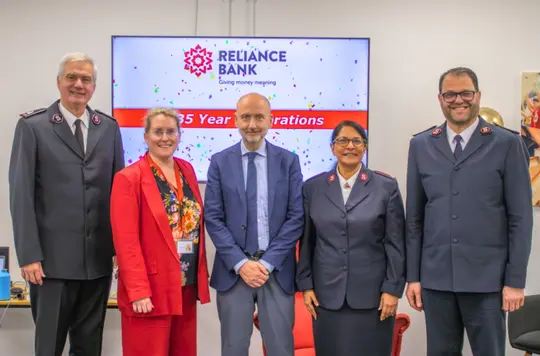
Nikki Fenton talks to George Tanton about how The Salvation Army's bank puts people over profits.

Policy Manager Andrew Connell talks to Ivan Radford about the Public Affairs Unit and seeking justice and reconciliation.
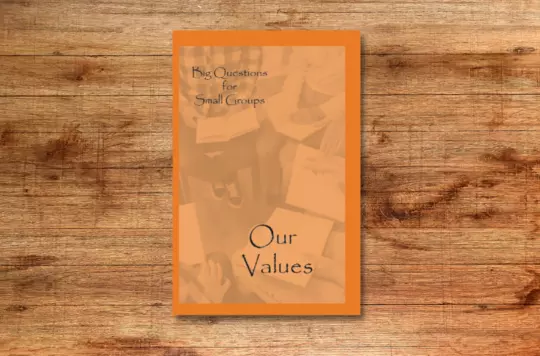
Major Beverly Baker talks to Emily Bright about the new book 'Big Questions for Small Groups: Our Values'.