
20 June 2026
A helping hand: Supporting refugees in Romania
Mihaela Bastea
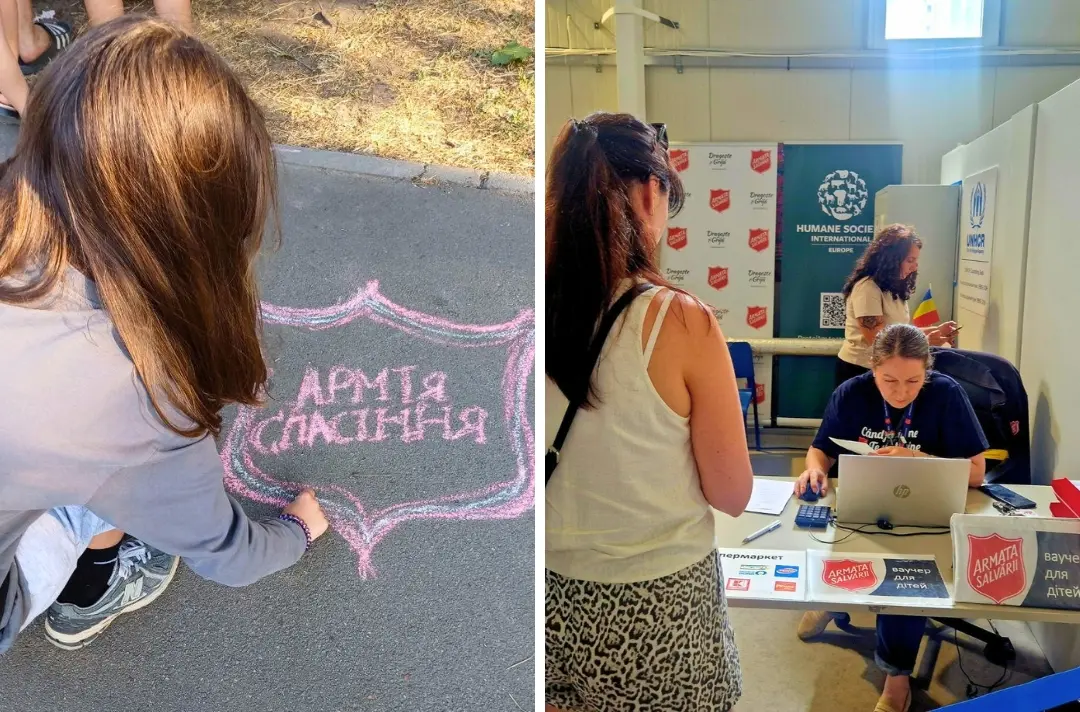
Projects Manager Mihaela Bastea (Romania Division, Eastern Europe Territory) explains how The Salvation Army is supporting Ukrainian refugee families in Romania.
Following the Russian invasion of Ukraine in February 2022, millions of people were forced to flee their homes. Around 3.7 million people have been displaced within Ukraine, while a further 5.9 million have sought safety in neighbouring countries and beyond. The Salvation Army across the Eastern Europe Territory mobilised quickly, offering compassionate pastoral care alongside practical support.
In Romania, The Salvation Army secured a desk and later a Memorandum of Understanding at RomExpo – a United Nations High Commissioner for Refugees (UNHCR) hub for refugee reception in Bucharest – set up by the local government. From this desk, the team distributed vouchers to help people access food, clothing and medicine. They also provided a listening ear, translated key information and referred individuals to other support agencies.
While originally designed as a one-year emergency response, the ongoing conflict meant that the needs of Ukrainian refugees in Romania continued. As such, the project was extended and the response shifted from short-term relief to sustained support, as refugees faced ongoing challenges, such as legal status, access to services, inflation, rising living costs and limited employment.
Over two years, the project provided support to 93,402 people, including 53,124 children, with 66,456 vouchers distributed. The project also hired three staff members to manage and coordinate voucher distributions in a structured, accountable and dignified way.
Throughout the project, The Salvation Army worked closely with government authorities and non-governmental organisations to deliver a coordinated and complementary response. Partners included UNHCR, the Romanian Red Cross, the International Organization for Migration, and World Vision, which provided services such as counselling, accommodation assistance and integration support. The Salvation Army’s voucher scheme complemented this work by helping people meet their most immediate basic needs.
In 2025, more than 1,000 Ukrainian refugees in Romania took part in a Lessons Learned Survey, sharing insights into their experiences. In response, partnerships will be maintained but now vouchers will be distributed more locally through corps. This approach will make it easier for refugees to access the voucher support and other programmes.
The survey highlighted the significant impact of the programme. Many families faced severe financial pressure, with 63.5 per cent stating they could meet only half or less of their basic needs. Families described the vouchers as helping them provide nutritious food for their children, buy medicine, purchase nappies and school materials, and reduce financial stress during displacement. The support also gave families flexibility and choice at a time when many had lost control over so much of daily life.
Olena, the mother of a seven-year-old child, said: ‘Your help is not just material aid. It is the feeling that we are not alone, that there are people who see our struggles and are willing to extend a helping hand.’
By providing practical, accessible and dignified support, this project addressed the ongoing needs of the Ukrainian refugee community in Romania during a prolonged period of displacement. As well as helping to ease financial pressure and reduce food insecurity, the project strengthened stability and resilience by offering predictable, ongoing support rather than one-off assistance. This continuity helped families plan ahead, reduced stress and built trust between refugees, authorities and humanitarian organisations.
Overall, the project met both immediate and longer-term needs, ensuring that Ukrainian refugees received timely, coordinated and culturally appropriate support during a complex crisis.
As the conflict in Ukraine continues, The Salvation Army continues to reach out with compassion to refugees fleeing violence in Ukraine. This sustained response has had a positive long-term impact on both the refugee community and the wider humanitarian system in Romania.
Discover more
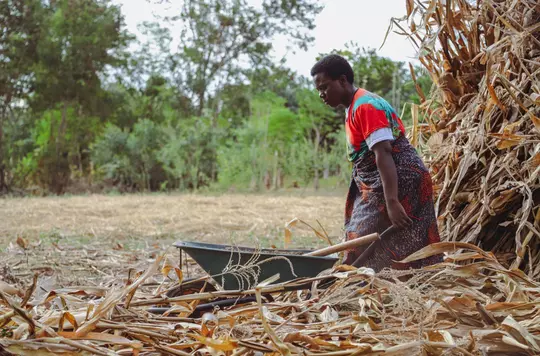
Connecting Salvationists around the world so that we can learn from and support one another.
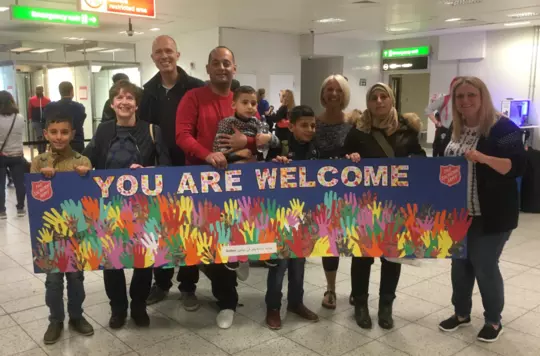
Supporting and resourcing local expressions of The Salvation Army to help people seeking sanctuary.

Ben Still speaks to George Tanton about why The Salvation Army supports refugees.
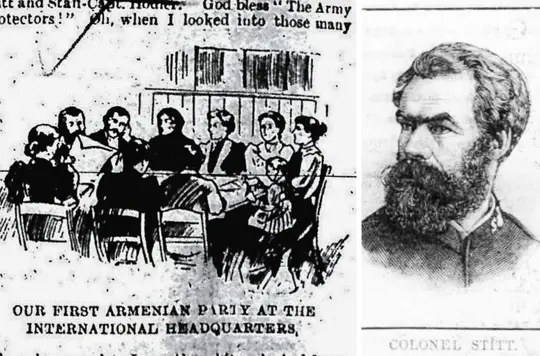
George Tanton explores how The Salvation Army responded to a refugee crisis in the 1890s.