
6 June 2026
Living sustainably in an uncertain world
George Tanton
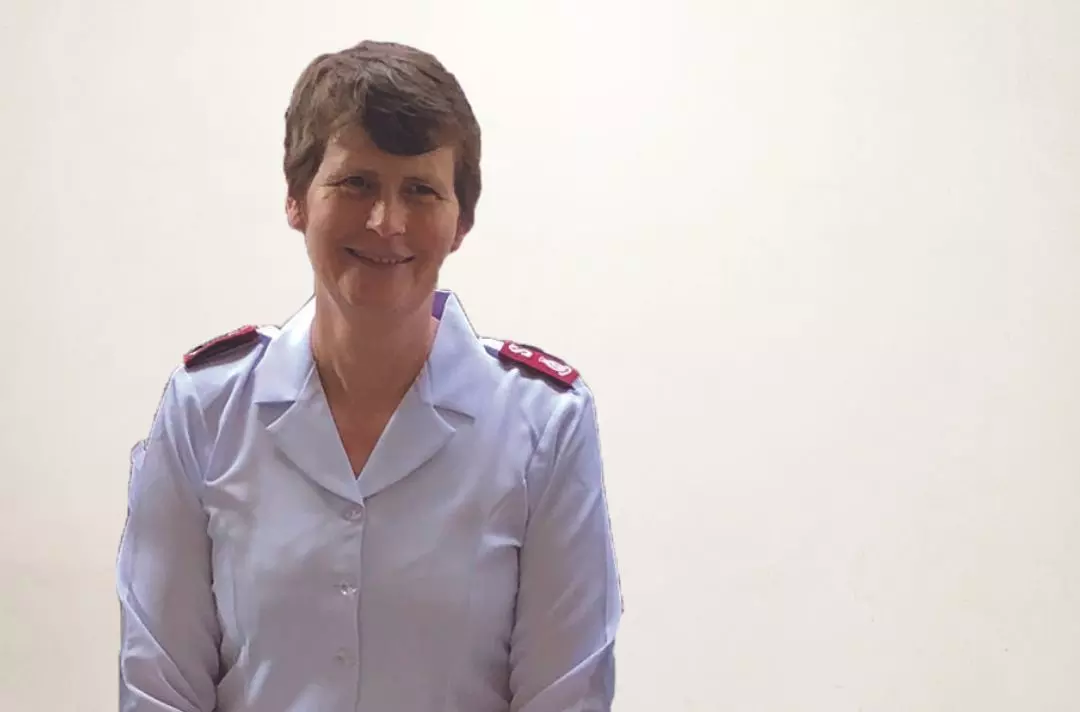
Territorial Environmental Officer Major Heather Poxon talks to George Tanton about going greener in our day-to-day lives.
The ongoing conflicts in Iran and Ukraine, along with inflation and climate change, have put an unprecedented strain on the food and energy industries in recent months. In addition to the tragic loss of life in these wars, there are growing concerns about the impact upon global food and fuel supplies, for example due to the continued closure of the Strait of Hormuz in the Persian Gulf.
‘As we have witnessed with the war in Ukraine, energy prices have gone up as a result, and food prices as well because of the transportation costs,’ explains Major Heather. ‘We’re seeing on the news how people are struggling to make ends meet, especially the poorer people in our society.’
‘People are starting to move towards green energy for heating their homes, and thinking about driving electric vehicles,’ she says. ‘There’s more of a recognition of how heavily we depend on external power, oil and food. People are questioning: Why are we so reliant on these external sources? What happens if something goes wrong? How can we be more resilient?’
As well as embracing green energy, people can respond by buying locally sourced, seasonal food or growing their own. Major Heather believes that the cultural shift to thinking more sustainably is driven partly by personal finances.
‘When people see prices go up, when it hits their pockets, that’s when people change their behaviour,’ she explains.
As a country, the UK relies more on imported food products than on what it produces. When global food chains become unstable, this can become increasingly unsustainable and environmentally harmful.
‘We are very heavily dependent on others for our food,’ Major Heather adds. ‘I think this is dawning on people. Take buying tomatoes out of season. If you’re going to the supermarket and buying tomatoes out of season, for example in the winter, you’re probably buying them from a warm country. Or they’ll have been grown under glass with heat in this country. In both those cases, you’re incurring carbon with the transportation of the fruit and also the heating of the greenhouses. So it’s always better to buy fresh food locally and seasonally where possible. You’re also supporting local farmers.’
‘During the Second World War, the government needed to get the country back on its feet,’ Heather continues. ‘Allotments were started and people were encouraged to find pieces of land and grow their own vegetables. At The Salvation Army in St Albans today, they have an allotment. I know there are some Lifehouses that are also starting to use their outside spaces for growing produce. People are working with nature, appreciating and protecting it. It’s a really good, healthy thing to be doing.’
‘To grow enough food to support your family, if you can do it, is absolutely brilliant,’ she says. ‘We have to be realistic: in many ways, the world’s climate is in a crisis place. But I know that God still holds this world in his hands. I believe that he will guide us in what we can do.’
Interview by

George Tanton
Read our latest on caring for creation
-
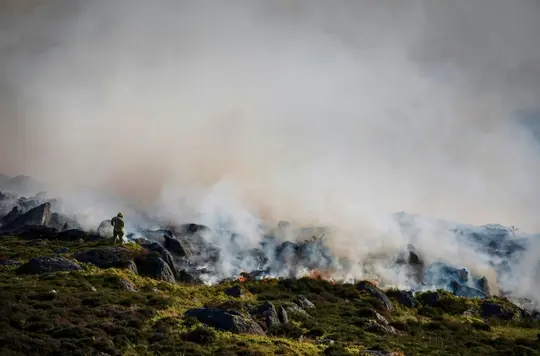
Wildfires: Living out hope in the face of despair
In the light of recent wildfires, Major Lynne Shaw considers how we can respond by caring for creation.
-
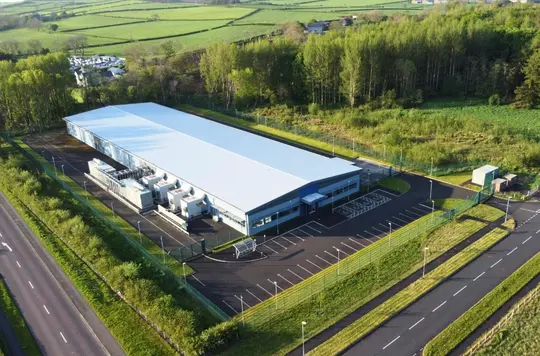
What is the environmental impact of AI?
Amy Quinn-Graham (Research and Development) explains her research into the environmental impact of generative AI.
-
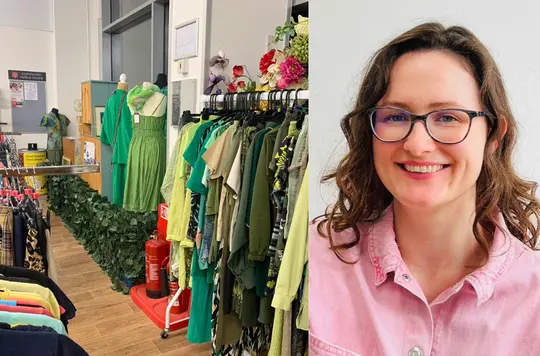
SATCoL Sustainable Fashion Survey: A second-hand success!
SATCoL Environment and Sustainability Coordinator Nicole Morarescu celebrates the company’s positive environmental impact with Stevie Hope.
-
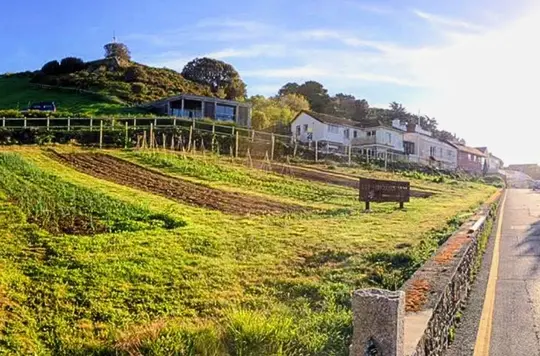
Growing greener: Celebrating local eco initiatives!
Salvationist hears how corps and centres are using food and gardening in their ministry and mission.
-
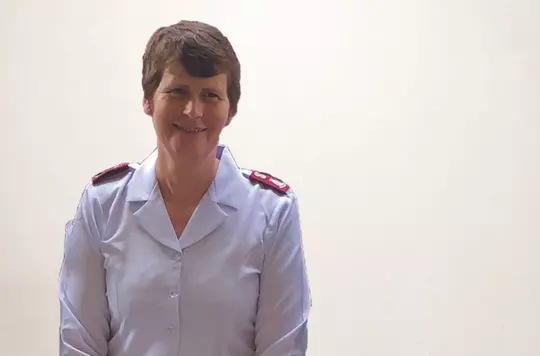
Living sustainably in an uncertain world
Territorial Environmental Officer Major Heather Poxon talks to George Tanton about going greener in our day-to-day lives.
-
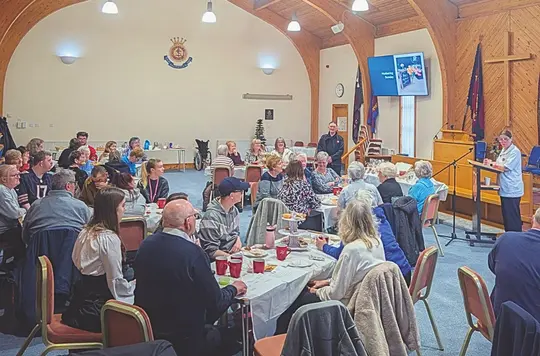
Peterhead: An eco corps building missional momentum
Corps leader Lieutenant Rachel Baker and Corps Secretary Peter Cowe highlight ways they are caring for creation.
-

We’re all part of Earth’s ecosystem: Our actions matter
Anna reflects on the impact we each have on the environment.
-
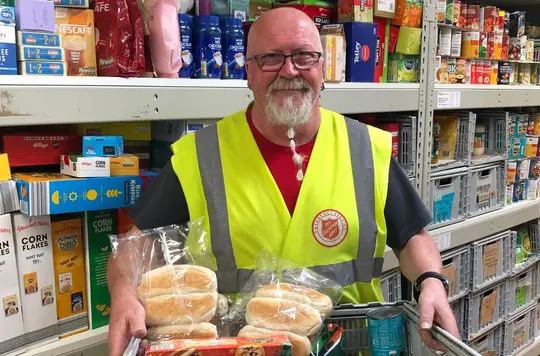
Stop Food Waste Day: 'It's OK to get help at a food bank'
Major Carole Donaldson (Penrith) shares how surplus food is used to nourish people, both physically and spiritually.
-
Show your love for planet Earth this Valentine’s Day
On Valentine’s Day, Major Heather Poxon encourages us to join the Climate Coalition’s campaign to care for creation.
-
Eco-Calendar: How you can care for creation in 2026
A helpful calendar of key environmental dates and themes, offering simple, practical ways to protect our planet and advocate for a more sustainable future.
-

Major Heather Poxon
Major Heather Poxon (THQ) shares her story and song.
-
Being an Eco Church: It's easier than you think!
Salvationist catches up with four corps on their Eco Church journeys.