
6 June 2026
SATCoL Sustainable Fashion Survey: A second-hand success!
Stevie Hope
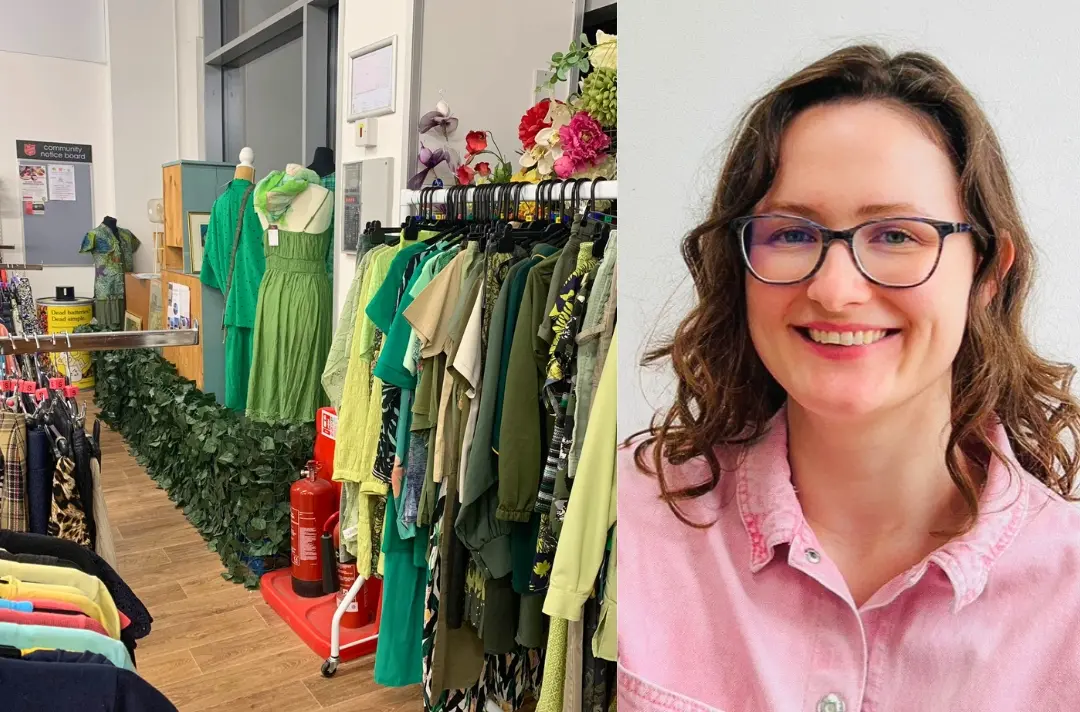
SATCoL Environment and Sustainability Coordinator Nicole Morarescu celebrates the company’s positive environmental impact with Stevie Hope.
During Great Big Green Week, you’re publishing your Sustainable Fashion Survey. What is it?
The survey was a handful of questions to find out the likelihood of someone buying something new after visiting one of our charity shops and buying second-hand clothing. It was based on a methodology from the Waste and Resources Action Programme (WRAP). WRAP is a global environmental action non-governmental organisation to do with waste and resources. They developed what they call a displacement rate methodology and this survey was a displacement rate survey – but we called it the Sustainable Fashion Survey so people would better understand what it is.
So what does ‘displacement rate’ mean?
If you avoid buying a new item because you’ve bought a second-hand item, you’re displacing the environmental impact of making that new product. Every piece of clothing made has a carbon, water and waste impact but, if you’re buying something that’s already there, you’re not creating emissions! When people buy second-hand items from a SATCoL shop or Donation Centre, it’s not necessarily reducing emissions, but it’s avoiding them – it’s helping people buy better.
We take the rate of this displacement to calculate how many carbon emissions we helped avoid. In 2024/25, we avoided 505,000 tonnes of carbon emissions. That’s the equivalent of taking 270,000 cars off the road!
What has the survey revealed about SATCoL’s displacement rate?
We’ve calculated we have a 74 per cent reuse displacement rate – higher than WRAP’s benchmark of 54 per cent, which we use for our calculations. That means 74 out of 100 clothing items that are bought from us are displacing the purchase of new clothing. It’s a really good finding to have, and it’s useful to know we’re above and beyond what we’re already calculating. The results were validated by WRAP, to make sure we’d done it correctly.
Is there something unique about SATCoL’s charity shops that would lead to such a high displacement rate?
We’re a value charity shop, so we don’t ever overprice items. Things are affordable, so a lot of customers come to us for that. But that’s probably true for the wider charity sector as well.
How is SATCoL going to use this information?
We really want to engage with the industry and hope this creates a bit of conversation. Hopefully, others will get on board with doing their own displacement rate research! Through initiatives such as Great Big Green Week and, in September, Sustainable Fashion Week, we’re always trying to encourage more people to buy second-hand instead of new. You’re not just getting a good product for great value; you’re also having a positive impact on the planet.
How else is SATCoL promoting sustainability?
We’re doing a lot of training, like an environmental induction so new starters can really understand how they contribute to us being a more sustainable business. A positive impact might be as simple as switching a light or computer off at the end of the day. It’s a central part of what we do.
Why does sustainability matter to SATCoL?
Ultimately, our business model is sustainable. It’s a real core piece of what we do, and we’re constantly trying to improve on it. Our triple bottom line reporting measures are people, planet, profit, all of which are important. Part of our internal messaging is ‘dare to care for the environment’, which is very aligned with The Salvation Army’s care for creation mission priority.
We have more than 250 million items donated to us a year. That’s huge. And we’re always trying to find the best ways to reuse or recycle those products. The fact that we can sell so many second-hand garments has a great positive impact and generates funds for the vital work of The Salvation Army.
Interview by

Stevie Hope
Assistant Editor
Discover more

Great Big Green Week is a great opportunity to live out our mission priority to care for creation.
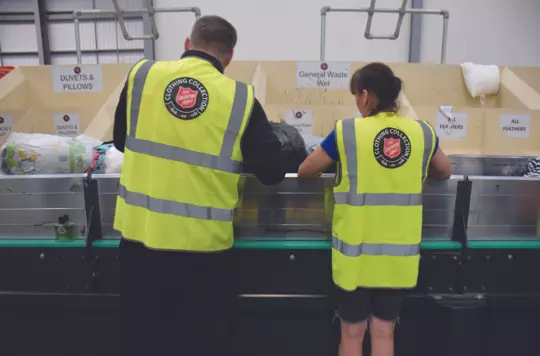
War Cry's Philip Halcrow visits a SATCoL facility in Kettering to find out more about their textile recycling process.
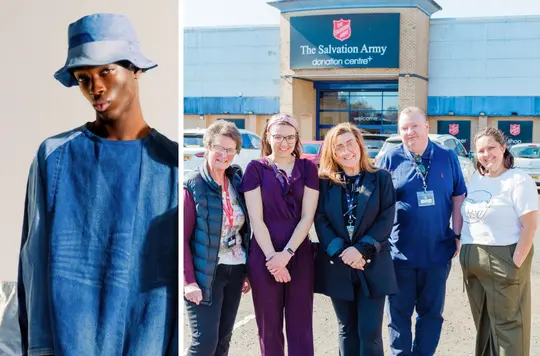
Salvationist shares how SATCoL charity shops and donation centres are finding new ways to encourage upcycling.

Major Heather Poxon (THQ) unpacks the care for creation mission priority.