
19 September 2026
Matthew 9: The harvest is plentiful
Lieutenant Hannah Carr
Lieutenant Hannah Carr encourages us to join the workforce.
Key text
- Matthew 9:35–38
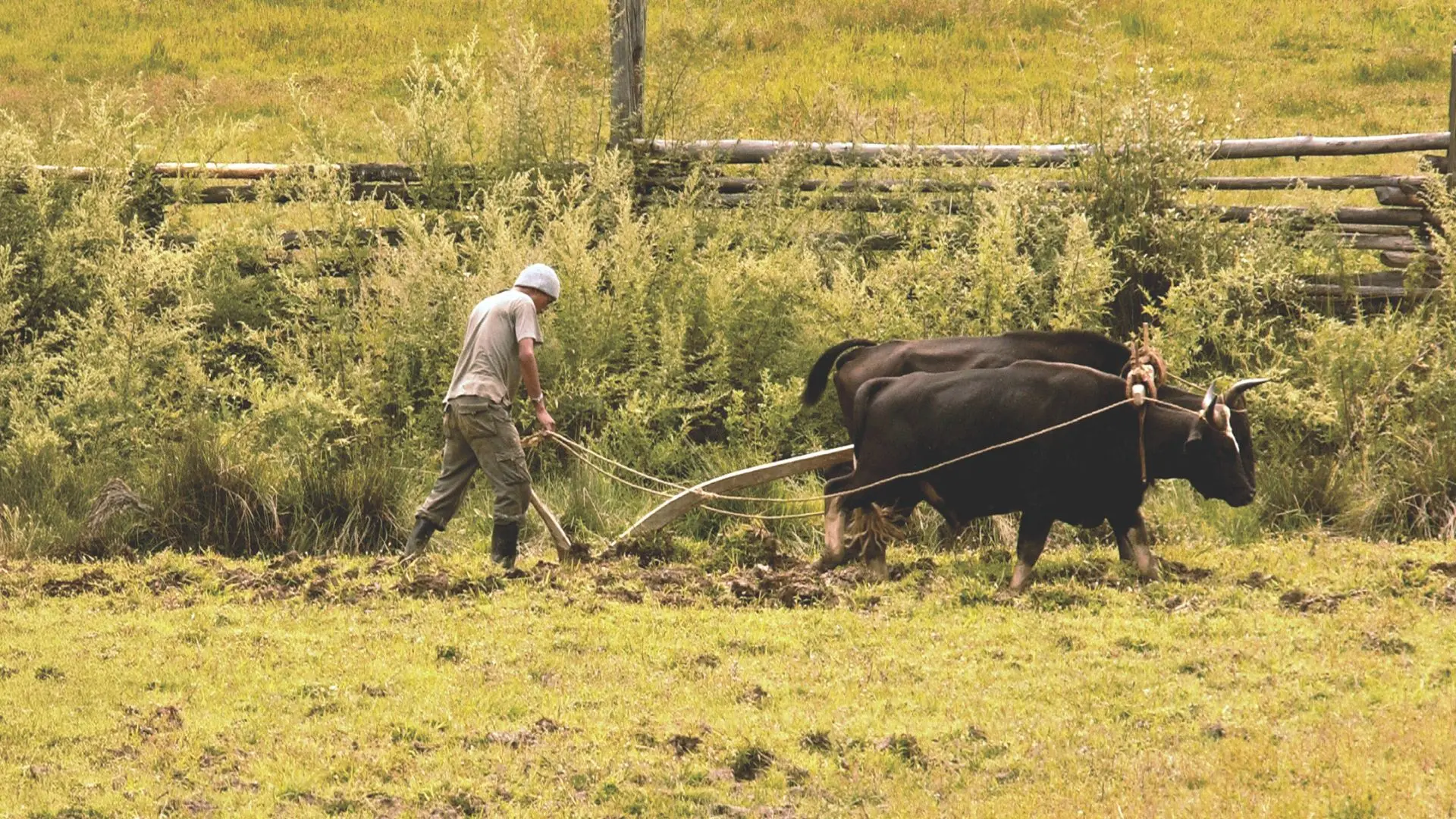
While at university, I studied the history of medieval food, which covered the consumption and cultivation of food from the 5th century onwards. We looked at how machinery evolved during that time, moving from basic hand-drawn ploughs to a plough drawn by a horse. I was particularly interested in how difficult that must have been. This is the farming that Jesus would have known. Long days of manual labour, few workers, and an overwhelming amount of work.
Having grown up in the countryside, I am all too aware of the hard work that harvest requires even now. Imagine doing it without a tractor or combine harvester in sight!
When we read ‘the harvest is plentiful but the workers are few’ (v37), we rejoice that the harvest is in abundance, and rightfully so. However, that acknowledgement also means that there is a lot of work to do.
As followers of Jesus, we join in God’s mission to share the good news of his Kingdom, and encourage people to follow Jesus and receive fullness of life. Sometimes, this mission can feel overwhelming or scary, as we fear saying yes to God’s call.
Pause and reflect
- Why might we feel afraid to get involved in God’s mission?
- Take a moment to pray for courage to get involved.
When we do say yes to God, we often do so out of obedience. However, for Jesus, there was another motivation. When Jesus looked at the crowds, he ‘had compassion on them’ (v36). The Greek word for compassion is splangchnizomai, meaning deep sympathy. Matthew always links it to an action, such as feeding, forgiving or, in this case, healing. Jesus healed people because he felt sympathy for them.
Practical compassion sums up much of Jesus’ ministry as he embodied God’s love through his actions and words.
Being proactive and showing love and kindness is something we often do without thinking. But this in itself is sharing the good news of the Kingdom as we demonstrate the love that we feel from God to others.
Evangelism doesn’t always need to be complicated or carefully planned – it can be the simple act of being proactive in our compassion, taking action when we feel led to show love to those who are lost.
Pause and reflect
- Where are you called to show compassion in your life?
- What might proactive compassion look like for you?
Jesus felt compelled to help those who were ‘harassed and helpless, like sheep without a shepherd’ (v36). Surely, the logical solution would be to find more shepherds, so that no one would feel oppressed and helpless in the first place?
Jesus’ solution, instead, is to ask for more workers. There will always be those who are lost and helpless, both within the church and outside it. But there is already the ultimate shepherd – Jesus! We, then, are the workers who care for the sheep and contribute practically to the healing and restoring work that God is already performing.
When God calls people into his Kingdom, this is what he invites them to – to join the workforce and get involved. Not only to be a part of the Kingdom, but to play their part too. This might look different for different people, according to their skillset, gifting and environment. The work, however, is the same: to proclaim the good news that God’s Kingdom is at hand and that everyone is invited!
Pause and reflect
- How is God calling you to play your part today?
- How might you respond to God’s love in a tangible way?
A key takeaway from these verses is that, while the work is our responsibility, we are never alone. When expressing the need for workers, Jesus doesn’t call us to go out and find the workers ourselves. Instead, we are to ‘ask the Lord of the Harvest … to send out workers to the harvest field’ (v38).
It might seem a bit hypocritical that Jesus, after having such an active response to his compassion, calls us to have a seemingly inactive response of prayer. As followers of Jesus, it is not our job to cultivate the harvest or to cause growth ourselves. That’s God’s job as ‘Lord of the Harvest’. Often, we get caught up in the doing of discipleship, thinking that we need to be out there giving a tangible and measurable response. We must not forget that asking for help from our omnipotent God is the most powerful thing we can do. In reality, prayer is the most proactive response we can make before we engage in an active, compassionate response like Jesus.
Pause and reflect
- God is still calling people to help bring in his harvest. Can you identify those who are ready and willing?
- Pray for them!
At the end of the harvest season, farmers are rewarded for their hard work with crops they can use, sell and profit from. Our reward is less instantaneous because it is revealed in God’s glory, not our own. We may never see the fruits of our labours but that should not prevent us from getting involved as God directs. God, however, sees it all and is already preparing our reward in Heaven. He gives us a glimpse of his Kingdom through the goodness and hope we have in Jesus. This is our abundant harvest – and what a blessing it is to have even a glimpse!
Pause and reflect
- Give thanks for the glimpse of God’s Kingdom that Jesus gives us each day.
- Rejoice in the blessings God has given you, and worship him for his greatness.
Bible study by
Lieutenant Hannah Carr
Corps leader, Longton
Discover more

The Candidates Unit has launched 9:38 – a prayer initiative inspired by Matthew 9:38.

Major Paula Haylett urges us to be patient in waiting on God’s timing.