
13 June 2026
Becoming intercultural: When worship stays comfortable
John Baraza Namunyu
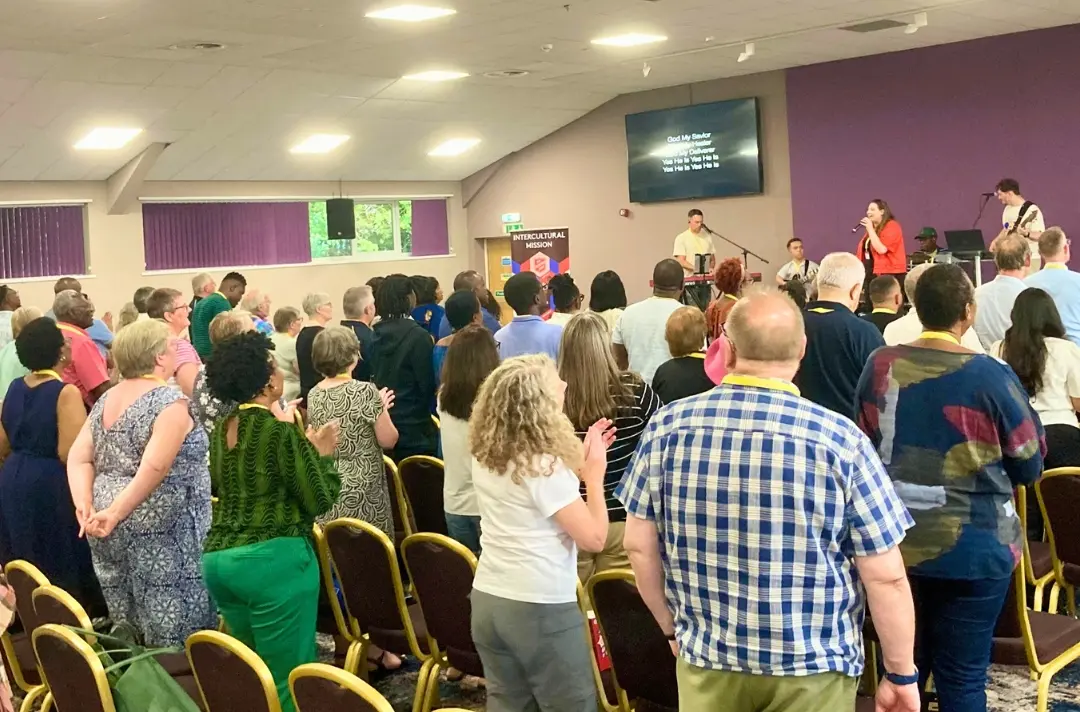
John Baraza Namunyu invites us to go deeper in intercultural worship.
Growing up as a child of Salvation Army officers from rural Kenya and now worshipping in the UK for more than two decades – particularly within The Salvation Army – I have witnessed both the beauty and the blind spots of our global Movement. One of the most pressing, yet often sidestepped, conversations today is the difference between multicultural and intercultural worship, and why corps appear to struggle to move beyond the former.
Multicultural worship, as many of us who are migrants have experienced, is often about presence without participation. Different cultures are welcomed, but the structure, tone and leadership of worship remain largely unchanged. It is, as has often been said, inviting people to the party, but still choosing the music, the dress code and the programme. In contrast, intercultural worship calls for something deeper – something far less comfortable. It calls for shared ownership.
It asks: Whose voice shapes the prayer? Whose rhythm defines the praise? Whose story is centred in the testimony?
A traditional, predominantly monocultural corps might find themselves struggling here – not because they lack goodwill, but because intercultural worship disrupts long-standing norms. It challenges inherited power dynamics. It exposes unconscious bias. It calls into question whether what we have always done is truly universal – or simply familiar.
Let us be honest: there is often an unspoken expectation that people from different cultural backgrounds must adapt to an existing Salvation Army ‘way’ of worship. Brass bands, certain hymn styles, structured meetings – these are cherished, yes, but they are not neutral. They are cultural expressions. When these are upheld as the standard, without room for equal contribution from ‘different’ others, we drift into symbolic effort rather than integrated transformation.
Intercultural worship introduces what some might call ‘mutual inconvenience’. It might mean songs in unfamiliar languages, prayer styles that feel less predictable or leadership that does not mirror the historical norm. For some, this may feel like loss, and the grieving is palpable. But, in truth, it is an invitation – to growth, to humility, and to a fuller and more creative expression of the Kingdom of God.
Another gap lies in local leadership. Many corps might appear diverse and multicultural in attendance, but decision-making spaces might still remain monocultural. Without diverse voices shaping vision and practice, intercultural worship cannot take root. Whichever way we choose to frame this conversation, the bottom line is that representation is not a gesture; it is essential.
The communities we serve are richly diverse but, if our Sunday worship does not reflect this reality, we risk becoming culturally disconnected from the very people we are called to reach. The challenge before us is not to abandon tradition, but to hold it with open hands. The Salvation Army has always been a Movement of adaptation, from the days of William Booth to our present global mission.
Intercultural worship is not a trend. It is a theological and missional necessity. It reflects the vision of a truly global Church – one body, many parts, equal in value and voice.
What would it cost your corps to not just welcome intercultural diversity, but to be reshaped by it for God’s glory and Kingdom?
Written by
John Baraza Namunyu
Liverpool Walton
Discover more
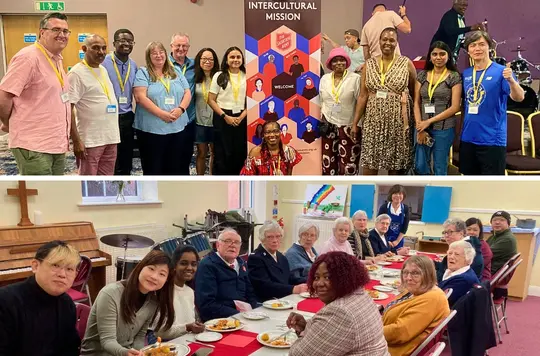
Some of the territory’s intercultural mission officers reflect on their ministry and experiences so far.
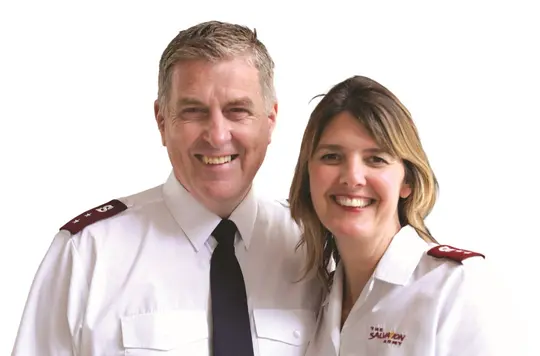
Intercultural Mission Conference guest speakers Majors Heidie and Richard Bradbury (THQ) talk about their experiences.
A collection of posters and flyers translated in a number of languages that can be used in your corps or centre.
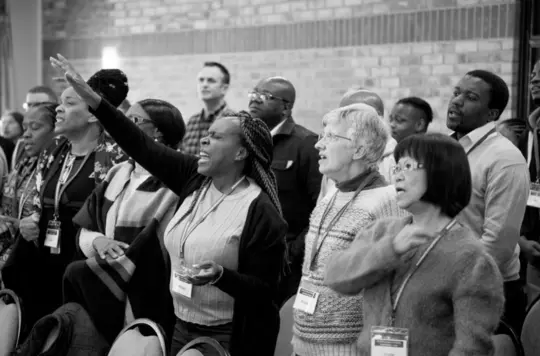
Journeying together, respecting each other's cultures, and starting to tangibly see God's Kingdom now, right before our eyes.