
2 July 2026
Considering AI through a biblical lens
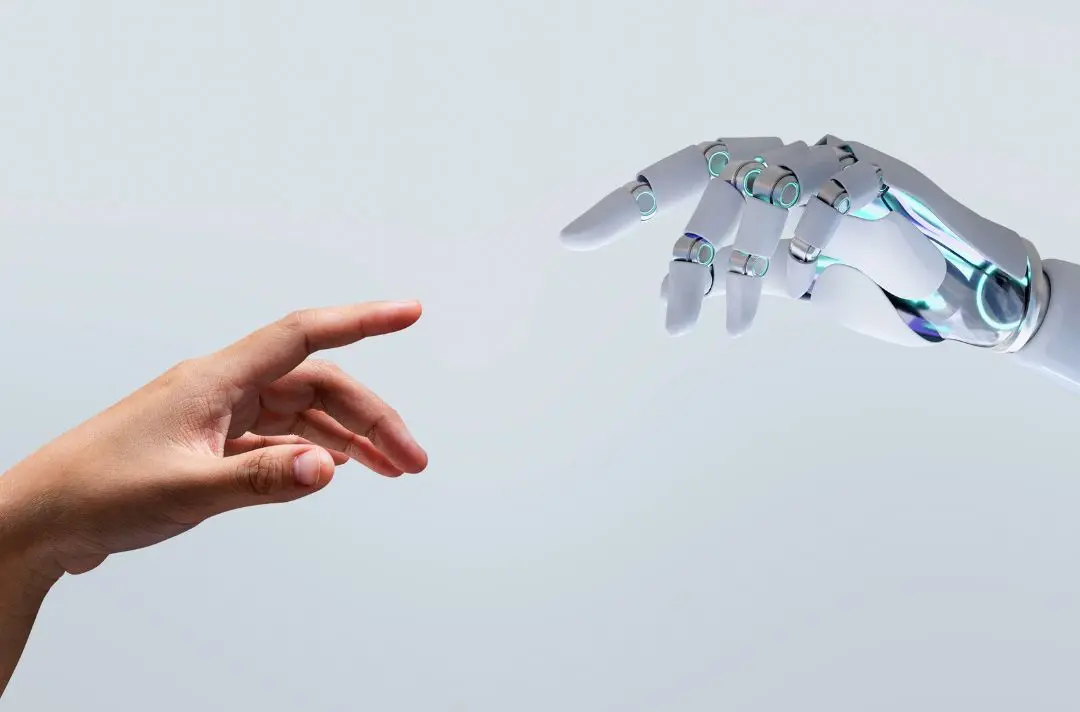
Secretary for Communications Lieut-Colonel Nick Coke (THQ) explores artificial intelligence through a Christian worldview.
What is the difference between AI and humanity? Genesis asserts that humans are created in God’s image (see Genesis 1:26–28) and that the dignity, value and purpose of human beings can be found in relationship – with fellow humans and the created order, and with God.
Artificial intelligence, by contrast, is not created in God’s image, but in the image of humans. AI does not have free will, know how to make moral choices, have feelings or even a body. These things could potentially be programmed in the future but, even then, it would be humans not God doing the creating.
Could AI undermine the dignity of personhood? Are there simply some things only humans can or should do? Christianity insists there is an inherent dignity in labour. That’s one of the reasons that employment programmes are important in many Salvation Army territories. One benefit of AI is that it will be able to automate certain jobs that are hazardous or unfulfilling for humans. But there is a risk of AI dehumanising work by increasingly automating it.
Buying a ticket at the train station, going to the bank, paying for your shopping – does it matter if we can do these without engaging with a real person? These scenarios are already a growing reality. For isolated people, this can be very unsettling – they may be the only people they speak to on any given day. Technological advancements have always brought changes to jobs, but AI has the capacity to increase this exponentially
God has entrusted humans with the responsibility to care for creation (see Genesis 1:26–28). Humanity’s appetite for advancing technology doesn’t come without a physical cost to the environment. AI and its data depend on physical resources for storage and processing. What data we store, how and where we store it and how frequently we dispose of devices to upgrade to new models all impact God’s creation.
Caring for creation also includes the stewardship of technology. AI, like any other tool, can be used for good or ill. With all the potential problems that could arise from misuse, will humans be willing to take responsibility? What responsibility do we as The Salvation Army have to speak into the public square about the moral and ethical use of AI?
The use of AI in society and industry is going to develop, whether we like it or not, but how can our use and stewardship of AI reflect Christ? Paul’s list of the fruit of the Spirit (see Galatians 5:22–26) comes to mind. How might love, joy, peace, patience, kindness, goodness, faithfulness, gentleness and self-control be shown in how we engage with AI?
The first of the Ten Commandments (see Exodus 20:1–17) orders God’s people to have ‘no other gods before me’. With AI, there are risks of creating something that is ‘all-knowing’ or ‘all-present’. It would be easy for humanity to see AI as some kind of saviour. This should be deeply problematic for Christians.
Paul encourages the Christians in Ephesus to remember that ‘God has put all things under the authority of Christ’ (Ephesians 1:22). Already, we are aware that computer algorithms in our devices and on the internet are used to influence us, whether that’s buying things or shaping our opinions.
We could easily slip into what the Old Testament prophets warned about if we elevate AI into a position where it makes decisions for us or makes decisions about other people’s lives. This could even be idolising ourselves because AI is built in our image, not God’s.
The story of the Tower of Babel (see Genesis 11:4) warns against human arrogance and the desire to become divine. This can help us to think about approaching AI with humility. There’s nothing wrong or un-Christian about being ambitious about improving the world – AI is proving to be a fantastic tool for addressing some of the deepest challenges human beings face, from medical advancements to monitoring our over-exploitation of the natural habitat. But our ambition should always be flavoured with Christ’s call to the downward path, to seek to be servants of all, and to put our trust in God alone (see Psalm 20:7).
Let our confidence in human technology not rise above and exceed our confidence in God to bring about the kind of change our world needs.
There is a massive capacity for inequalities to develop with the use of AI – or, more likely, for AI to accentuate inequalities that already exist. Since AI uses the internet to gather information and data for its calculations, we would expect it to reflect the biases and inequalities in our world. The fear is that it will simply amplify these – that structural racism or sexism in societies and cultures, for example, will be embedded in AI from the start. We must be alert to this.
We also know there is a digital divide in our communities. There are many people in the world who simply don’t have access to the internet, let alone the devices required to use AI – even simple tools, such as the AI chatbot ChatGPT, come with a price tag.
Psalm 146 reveals God has a bias towards the poor and marginalised: ‘He upholds the cause of the oppressed and gives food to the hungry’ (v7). As a Church that cares about righting the wrongs of the world, we need to be ready to highlight the unjust consequences of technological developments.
Finally, we must remember that we are called to love and compassion. Jesus commands us to ‘love our neighbour as ourselves’ (Matthew 22:39). Christians should encourage developers and users to prioritise compassion, empathy and consideration for the wellbeing of others in the use of AI.
The Church has faced and benefited from technological advancements in the past. The printing press was vital in getting the Bible into the hands of ordinary people and The Salvation Army has often embraced new technologies to share the good news, including film, motor cars and even safety matches!
Paul says to the church in Corinth: ‘Be on guard. Stand firm in the faith. Be courageous. Be strong. And do everything with love’ (1 Corinthians 16:13 and 14 New Living Translation). We don’t have to wait to do this. We can already adopt a loving tone on social media or amplify the voices of others who are often overlooked. We can already take a stance on how we relate to the use of technology in kind and loving ways.
We can already model Jesus’ calling in the way we talk about the opportunities and risks of AI in the future.
Lieut-Colonel Nick Coke
Secretary for Communications, THQ
Discover more

Captain Mark Scoulding (Watford) talks about the Artificial Intelligence Guardrails developed by the Moral and Social Issues Council.

Ivan Radford encourages us to stay alert and seek God’s voice in an age of misinformation.

Online Content Editor Bethany Gibson (Publishing Department) talks about church, faith, evangelism and technology.

An online conference designed to increase confidence in using digital tools, techniques and technologies to support The Salvation Army's mission.