
9 May 2026
How are Salvation Army officers trained in the UK and Ireland Territory?
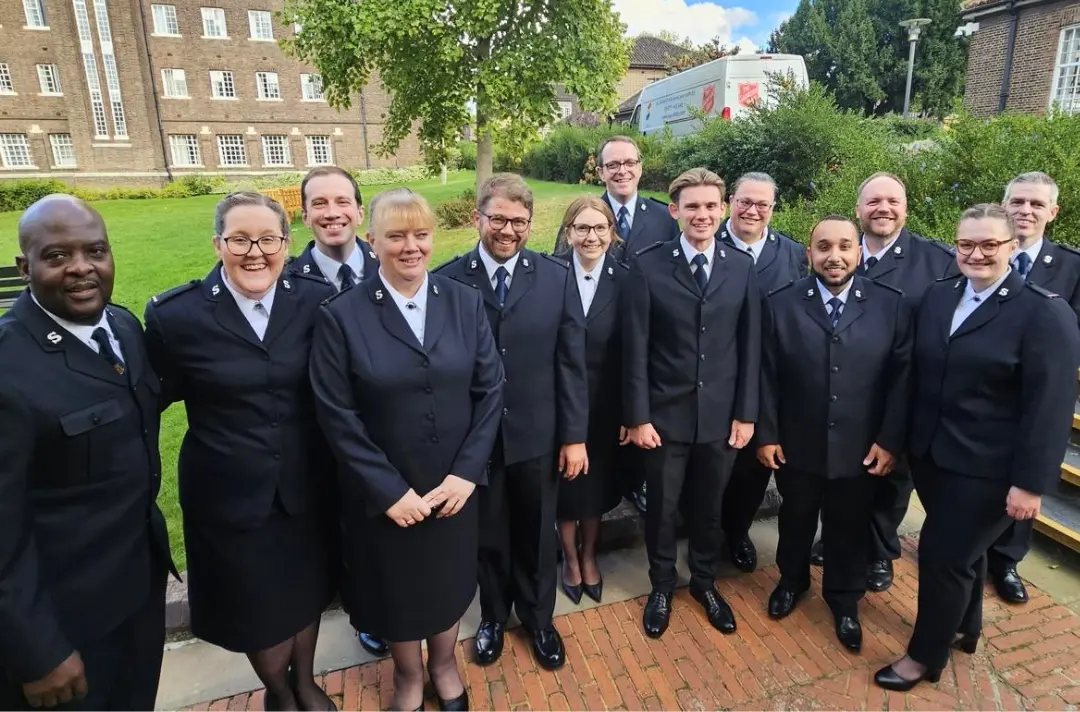
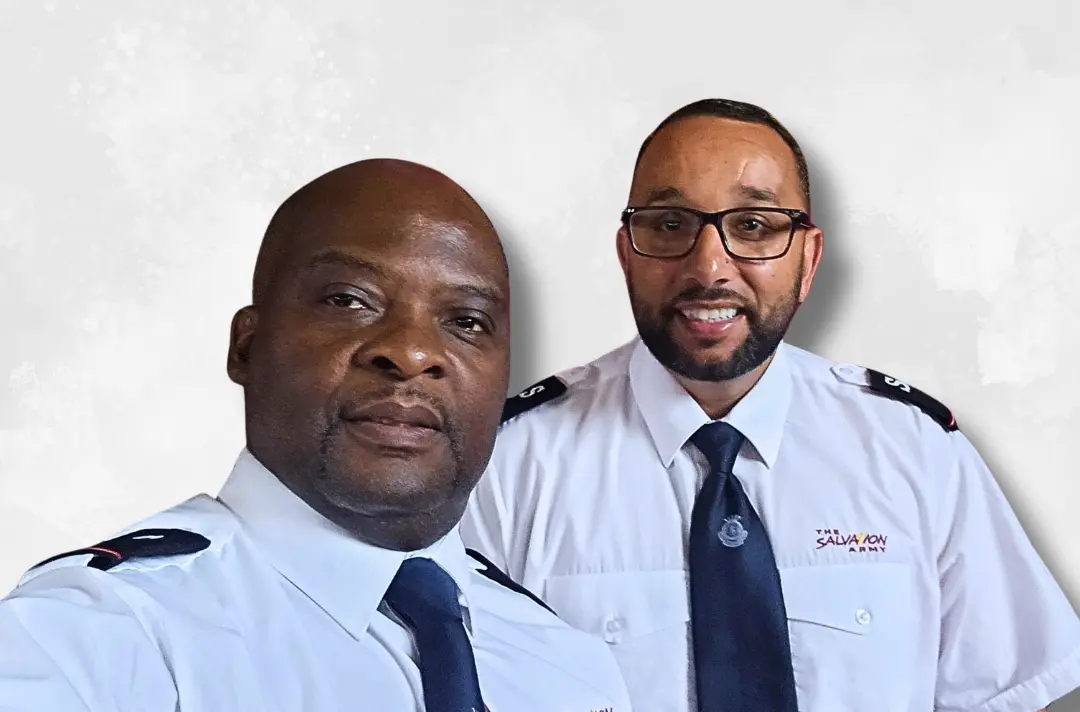
Integrative Training Officer Major Wendy Stanbury, Cadet Edmond Balog and Cadet Tim Watch share their experiences of officer training at William Booth College with Salvationist.
How is training delivered at William Booth College?
Wendy Our main vehicle is the DipHE Salvation Army Officer Training, which is a level 5 diploma course. Alongside that, we’ve tried to open up more flexible pathways. Some cadets are on a non-accredited course and some have a shorter or longer training programme. These flexible pathways consider people’s previous experience and try to tailor a programme that’s best suited to their needs.
What’s changed in recent years?
Wendy We’ve been re-validated by a new university, York St John University. In developing the new course, we wanted more emphasis on practical experience and reflective practice. So the biggest change to the diploma programme is an attachment placement throughout the first year. Cadets are assigned to a corps, where they worship and do three week-long placements across the year. They do the learning about the practical aspects of corps leadership that would have previously happened in a classroom – like finances, leading corps council meetings, preparing for funerals – but it now happens in context.
Edmond and Tim are on slightly different pathways, but they access the same learning. They’re on placement together, and they’ve really flourished. They’ve taken opportunities to do extra things and become involved in corps life. In the previous course, placements ran parallel to the diploma. Now they’re incorporated into it. Somebody who may not be academic will now get credit for their practical engagement, which I think is a much better way of assessing somebody for spiritual leadership.
The other big change is that assignments are shorter, there are fewer of them, and there is a greater range of assessment types, like portfolios, presentations and assessed conversations. This is a better way of assessing people than simply relying on long written essays, and means people with learning differences have more opportunity to express themselves, which has got to be a good thing.
How has this approach helped?
Edmond I’m a non-accredited student and I love the plan because of my level of English and experience of learning. I’ve never done higher education; I did just basic foundational education in my country, so the programme made for me is absolutely brilliant. Rather than writing assignments, I’m having really good conversations to show my understanding of the learning, and that really works for me!
Tim When I came here, I thought things were going to be very difficult because I haven’t been in school for a very long time. But I really feel at home. I feel like I’m doing something that I’ve been doing for ever. I feel comfortable – not because I’m very good at it – but because of the way we are being tutored, the way we can access information and resources. There’s no excuse I can give to say I can’t do this.
Wendy I think the changes to the course have made a big difference, but it’s important that people are teachable and open. I’m really pleased that Edmond and Tim feel they’re getting the support they need, but it would make no difference if they weren’t willing to put in the effort.
Do you feel you were well prepared for coming to college?
Edmond The Candidates Unit have a good programme to prepare you before college. Through one meeting, we decided I should wait a year because of my English skills. The Candidates Unit was able to get me into a six-month English course. I also did the Army’s Study Skills course through Open Learning, and that really helped.
Tim Before I came here, I was like a fish in a pond. When the owner of the pond decides to move the fish, they are not going to be happy because they don’t know what’s coming after. It’s that situation we are having: not knowing what’s coming. But, because of the whole package of training I had in my corps, when I moved into the new pond – which is William Booth College – I felt differently.
I’m being trained to establish my own spiritual life, to strengthen myself. I’ve really grown spiritually and I now know God in a better, more mature way. I really appreciate my life back then because, if it wasn’t my life back then, this wouldn’t be my life right here.
Wendy Once upon a time, there was a perception that you offer for officership, we cram everything into two years and then churn you out at the end. What you see with Tim and Edmond’s stories is, in fact, a whole chain of people working together. Tim’s corps leader put in some really good development along the way. Edmond had a really good development plan with his divisional team. The Candidates Unit are working with me and the team in Foundational Learning and also with the divisions and Open Learning. There’s a whole network of people preparing the pathway from the minute you say yes to spiritual leadership. The college is just one component. And it goes on after training in the five-year Into Officership programme for lieutenants.
Is there anything you wish you had known before you came to college?
Edmond It’s not just college; we’re living here! And life here is beautiful.
Tim Personally, I felt like I was going to a rough boarding school. But here, you have people who will take care of you. It’s the best home! When we leave, we’ll really be missing this place.
How would you encourage someone considering spiritual leadership?
Tim There are people out there who are not sure about their calling – they have passion for Christ, but they don’t know whether it’s a calling. I urge you to close your eyes and go for it. Sometimes, that’s how you realise your calling has been there all along.
Edmond People have worried about how they’ll study if they’ve got kids. ‘What about if they become ill?’ The college knows we have families, and they support that.
I think people stress more than they should. When I started, I was like: wow, all new things, all in English! How can I do it? But you realise we have time, we have opportunities. You don’t need to stress.
Discover more
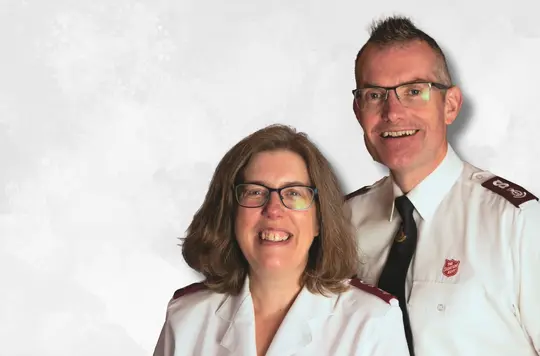
Territorial Candidates Directors Majors Catherine and Jonny Smith share their thoughts with Lyn Woods on this year’s theme for Candidates Sunday.
Explore who God has called you to be and opportunities for leadership and service within The Salvation Army.
Integrative Training Officer Major Wendy Stanbury (William Booth College) talks to Salvationist about the sacred moment when cadets sign the Officer’s Covenant.
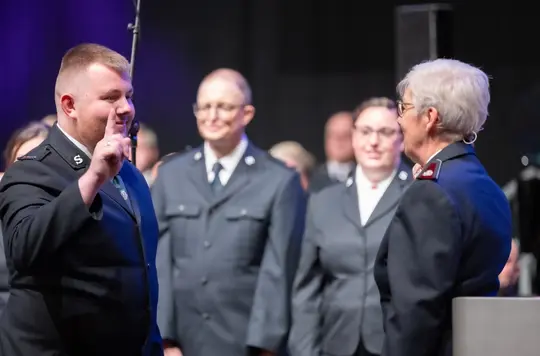
Integrative Training Officer Major Wendy Stanbury (William Booth College) talks to Salvationist about the place of ordination at Commissioning.