
24 October 2026
Needle and syringe programmes: Reducing harm
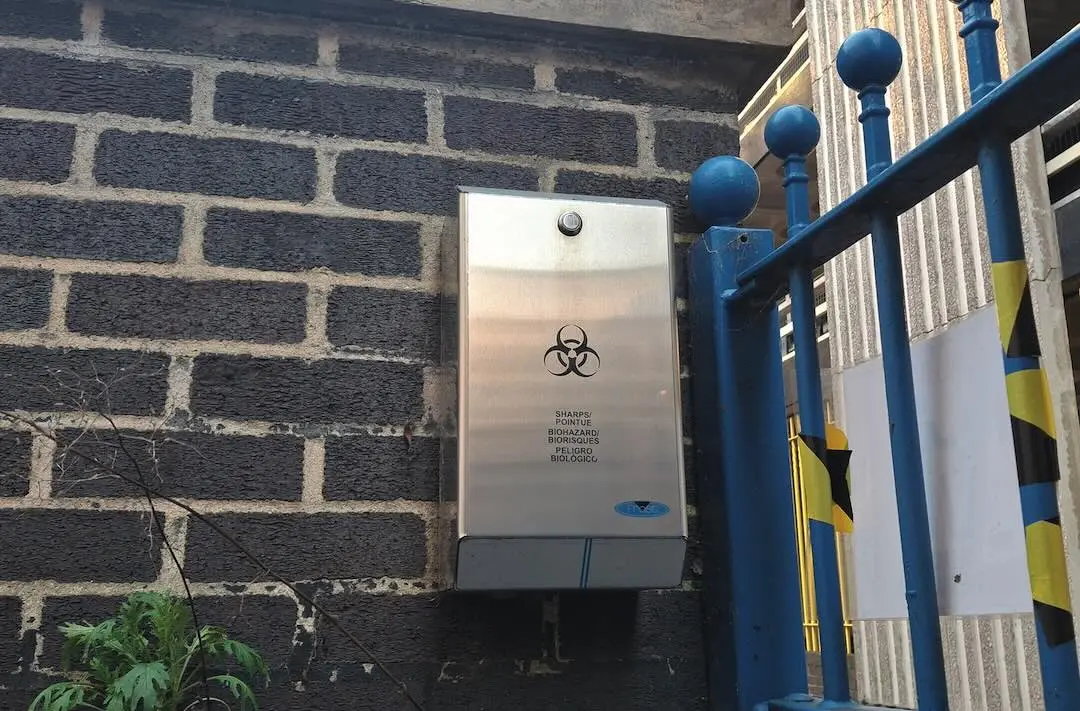
Salvationist learns about the impact of needle and syringe provision.
Needle and syringe programmes (NSPs) are a well-established response to drug-related deaths and harms. Also known as needle exchanges, they provide access to sterile injecting equipment and safe disposal, as well as support around safer injecting practices.
The aim of NSPs is to reduce risk and harm, for example the transmission of blood-borne viruses and infections. They also create opportunities for conversations and further support.
NSPs are part of the Army’s harm reduction approach, which is about minimising the negative impacts of a behaviour, without requiring someone to stop the behaviour as a condition of support – it is the epitome of compassion in action.
As NSPs are often the first point of contact with someone, they are on the front line of serving some of the most stigmatised people in society without discrimination.
Major Will Pearson, assistant territorial director of the Addictions Department, talks about the role of NSPs:
How long has the Army provided needle and syringe programmes?
We’ve been doing this for more than 15 years. We currently have about 15 centres providing NSPs, as well as one corps, and the number of places is growing.
Why are NSPs important?
NSPs are the most researched intervention for harm reduction. What’s so important for us is the message that we care. Often needle exchanges are in little doorways, or hidden behind the scenes. So for us, as a well-known organisation, to say ‘we want to help’ is really powerful. The staff aren’t excited about giving out needles; they’re excited about the conversations that will happen. These conversations help people move forward in their lives.
What are the common misconceptions around NSPs?
When we do NSP training, people often have a couple of initial concerns. If I give a needle and syringe to somebody and they overdose, am I responsible? Am I encouraging people to use drugs? Am I somehow making things worse by giving them the equipment?
We must understand that somebody addicted to heroin has to use three or four times a day, otherwise they get really, horribly sick. They’re trapped in that situation. They are not suddenly thinking that, because they’ve been given a needle, they need to go and find some heroin – they’re already dependent on it. NSPs are about opening a way for people to use more safely.
What are the challenges we face?
The environment for people using drugs is getting scarier, because of the inconsistency of the drug supply. People addicted to heroin aren’t going out trying to overdose, but what people are buying now is contaminated with more dangerous drugs, including strong synthetic opioids. Another challenge is for politicians to understand the things that help and the things that make it worse.
Where are we breaking ground in response?
The wider sector is currently talking about drug-checking, people being able to see what’s in their drugs and therefore be safer. We can provide test strips, for example, to detect super strong synthetic opioids called nitazenes.
The Salvation Army has also been campaigning to expand access to naloxone, a life-saving medication that temporarily reverses opioid overdoses by blocking the effects of the opioid. Available as a nasal spray or injection, it can allow enough time for emergency services to arrive. We use naloxone at our centres, and a lot of our centres are doing naloxone and CPR drills.
What brings you hope each day in your role?
The stories of kindness and compassion shown by our staff. People don’t always appreciate the value of a positive relationship. For some Lifehouse residents, their support worker might be the only person they really trust, who’s been decent, who’s not given them a dirty look or treated them as less than.
We also have so many corps running drop-ins, and I’m encouraged by the people attending our training for corps. The training is monthly and runs from February to November every year – sign up!
Discover more

Chris Hartley highlights The Salvation Army's campaign to prevent deaths caused by drug overdose.
Community Manager Simon Fenn (Sheringham) tells George Tanton how addictions training helped him help others.

A network of communities supporting people to explore spirituality while in recovery from addiction, health conditions, and life struggles.
Zoe Jenkins tells Lyn Woods about her new role as one of the territory’s four addictions development officers.