
18 November 2026
The Uprising: Fighting inequality
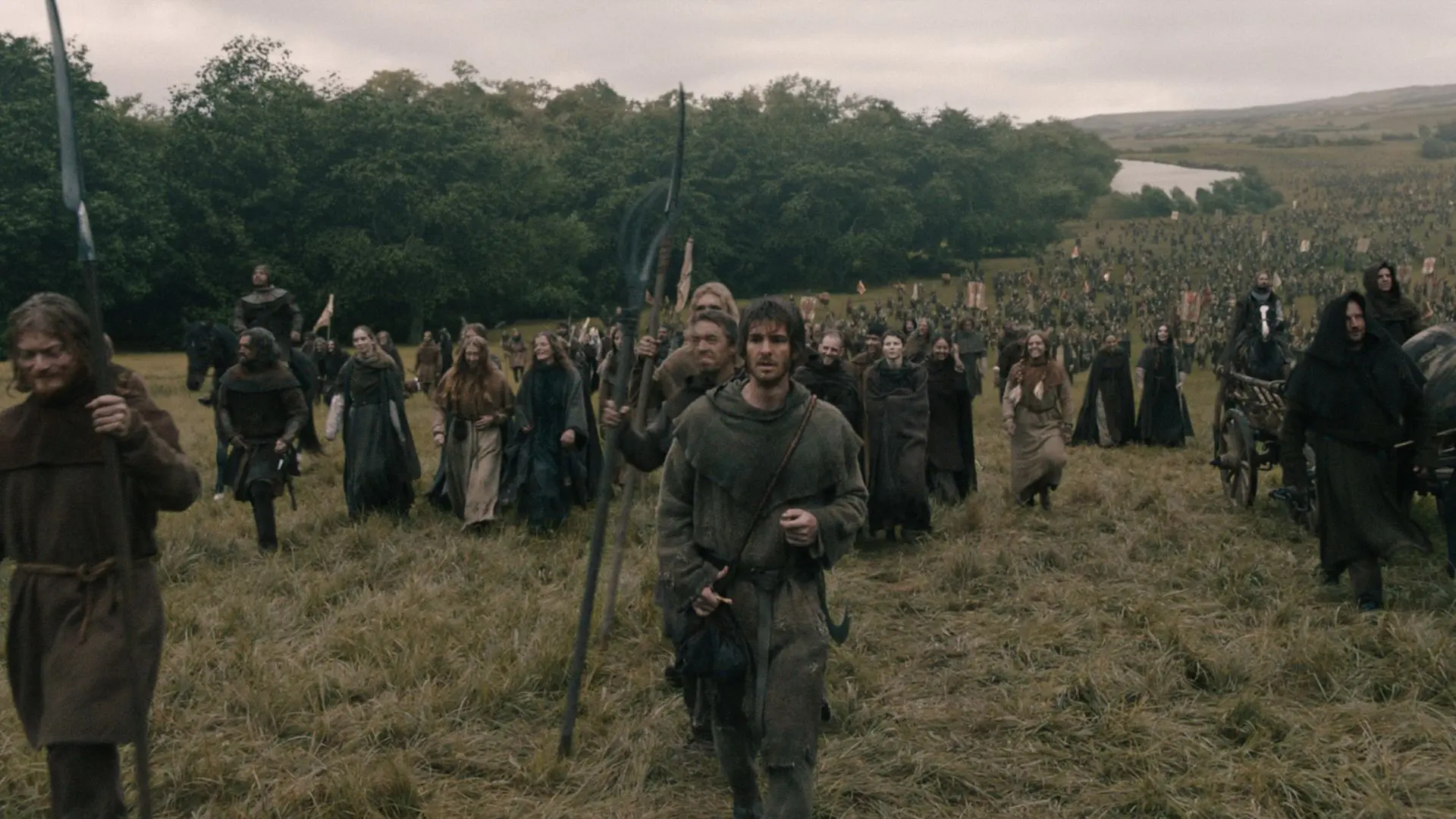
With The Uprising out now, Captain Chris Button reflects on the timely story of the Peasants’ Revolt.
On 12 June, 1381, it was reported that a twice-excommunicated and imprisoned radical priest called John Ball gave a sermon on Blackheath. Just outside London, a crowd of peasants, labourers, soldiers, and minor landowners had gathered in what is now called the Peasants’ Revolt. John Ball had spent years preaching equality and liberty, calling out the Church hierarchy for its capitulation to the systems of power, tying itself so closely to the monarchy and the corrupt nobles that its wealth was greater than even the king. Yet that wealth was enjoyed only by its leaders, by bishops who acted more like lords, and by an archbishop who was also the chancellor of England.
The opening line of Ball’s reported sermon was: ‘When Adam delved and Eve span, who was then the gentleman?’ Ball was arguing that, since God made everyone, and the Bible does not say that God made one person to be a lord and another to be a serf, then we should consider that God made all people to be equal. The unequal, oppressive systems of our world therefore do not come from God; they come from humanity’s sins.
In Matthew 21:6, Jesus warns us that what we treasure, the things we put value on, will become the things we love: ‘For where your treasure is, there your heart will be also.’ Not everyone in the Peasants’ Revolt agreed on what they should be trying to achieve and, ultimately, they repeatedly chose violence over the way of Christ.
The Uprising, out now in cinemas, is a gritty historical film based on these events, written and directed Paul Greengrass. Historical inaccuracies aside, it tells the story of the Peasants’ Revolt, with a fictitious unnamed ploughman joining alongside Ball and the other leaders.
The Uprising contrasts the abuse suffered by the peasants with the immense wealth and power of the nobility, who were willing to slaughter the peasants just to maintain their grasp on power. Because for the person with all the money, and all the power, equality feels like a threat.
The film does not shy away from depicting the violence that was inflicted, but it also highlights the spiritual and moral violence inflicted on the poor by those in power. It feels particularly timely. Because everything has changed since 1381, but people have stayed the same.
In 1865, 484 years after the Peasants’ Revolt, The Salvation Army was born out of the extreme poverty and inequality of London’s East End, and the slums of Glasgow, Manchester and Bristol. The Salvation Army was a holy uprising, out to change the world not through violence, but through salvation, sanctification and social transformation. The Salvation Army began a match factory, fed striking dockworkers and helped abused women find a new life.
Today, The Salvation Army faces a similar world. We still live in a society marked by inequality, poverty, homelessness and oppression.
What kind of uprising do we need to see in our society today? Not a violent revolt, but a holy uprising of love and justice. What can you do where you are to help people who are being harmed by the systems that are meant to be there to protect them?
Reflect and respond
- Read Matthew 6:21 and the surrounding verses. In The Uprising, the Church hierarchy valued power and money above Jesus and his call. What do we end up putting the wrong value on today?
- What three things could you do this week to help the most vulnerable people in your community?
Latest viewpoints
-
The Uprising: Fighting inequality
With The Uprising out now, Captain Chris Button reflects on the timely story of the Peasants’ Revolt.
-

Strictly Come Dancing: Coping with change
As Strictly Come Dancing’s revamp divides viewers, Ivan Radford asks how we approach change.
-
Everyone in: Play your part in ending homelessness
The Salvation Army is calling everyone to play their part in helping to end rough sleeping this Christmas.
-
Karl Bushby: An inspiring example of perseverance
As Karl Bushby nears the end of his 28-year walk around the world, Major Lynne Shaw asks what sustains us through challenges.
-
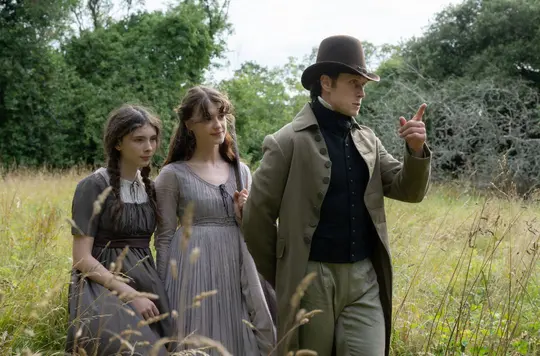
Sense and Sensibility: Chasing desire
With Sense and Sensibility out now, Hermione Hutchings asks if we are running after what we want or seeing what God has given us.
-

Will AI wipe out humanity?
Ivan Radford considers from a Christian perspective what questions we should be asking about artificial intelligence, and why accountability matters.
-

Where can you see God doing a new thing?
As we celebrate Harvest, Major Sarah Butler invites us to notice where God is at work.
-
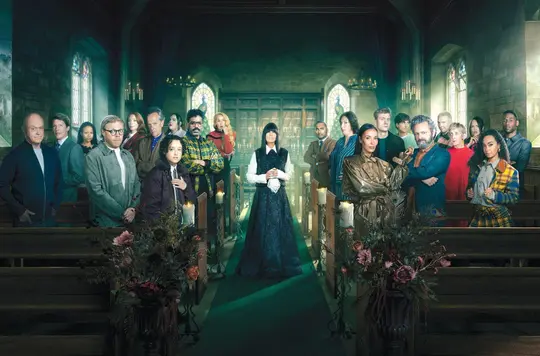
The Celebrity Traitors: What does being faithful look like?
As The Celebrity Traitors returns to our screens, Dan Bate considers what it means to be 100 per cent faithful.
-

Single Friendly Church Week: How welcoming is your church?
At the start of Single Friendly Church Week (27 September – 4 October), Major Andrea Cooper reflects on singleness and how we value people.
-

70 Up: How have you changed as you have grown up?
As 70 Up concludes on ITV, Ivan Radford reflects on growing older.
-

Pray for Nepal and Tibet
After the catastrophic avalanche and flooding, we pray for all the people impacted.
-

Wildfires: Living out hope in the face of despair
In the light of recent wildfires, Major Lynne Shaw considers how we can respond by caring for creation.