
17 October 2026
Way In, Way Out: Protecting young people from County Lines
Lyn Woods
Addictions Development Officer Yassir Mohammed tells Lyn Woods about Way In, Way Out, the Army’s County Lines training.
The Home Office estimates that about 15,500 children are at risk of or are involved in child criminal exploitation in England and Wales. This is likely to be a significant underestimate. To help raise awareness and protect young people, the Children and Youth Department, Anti-Trafficking and Modern Slavery Department, and local street-based youth workers developed the Way In, Way Out resource. The Addictions Department collaborate in the project by providing the accompanying training.
What is Way In, Way Out?
It’s a card resource to help youth workers start meaningful conversations with young people around safety, risk and exploitation. Prevention and early intervention are key. The resource gives us a way into conversations that might otherwise be difficult to start, hopefully identifying concerns while they’re still happening rather than waiting until a young person is already deeply involved in exploitation.
How does it work?
The resource is primarily aimed at people aged 12 to 17, particularly within street-based youth work. It’s about building trust and creating opportunities to talk, gradually opening conversations through four areas:
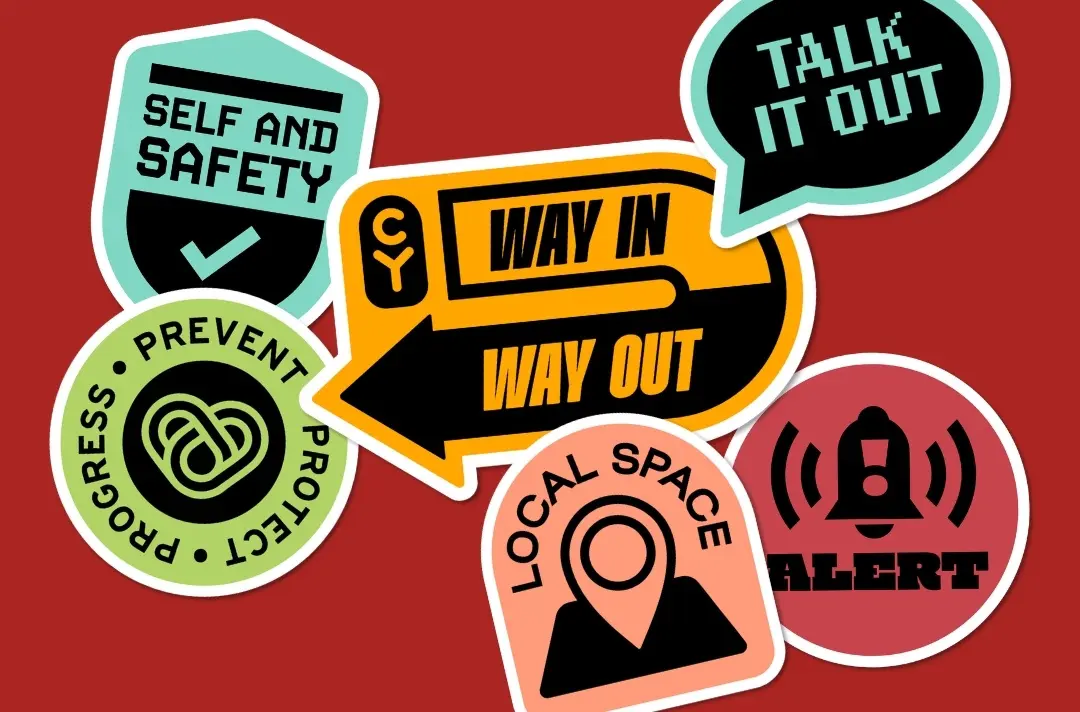
Local space – the area where young people spend their time. Where do they feel safe? Where don’t they feel safe? What concerns them locally?
Self and safety – getting them thinking about themselves, their relationships, choices and personal safety.
Alert – helping them recognise situations or behaviours that could potentially place them or friends at risk.
Way out – what they could do if something doesn’t feel right. Who are the trusted people around them? Where could they go for help?
How can we recognise signs of exploitation or grooming?
Often, we’re looking for changes from what’s normal for that young person. They might start going missing from home or school, travelling to places they wouldn’t normally go, becoming more secretive or suddenly having money, clothes, phones or other items they can’t really explain. We might see multiple phones, unexplained train journeys, changes in friendship groups, increased drug or alcohol use, unexplained injuries or significant changes in their behaviour or emotional wellbeing. It’s important to remember that one or two signs don’t necessarily mean a young person is being exploited.
Never underestimate the importance of simply being a consistent, trusted adult. The relationship we’re building today might enable them to ask for help later.
Are some young people more at risk?
There are circumstances that can increase a young person’s vulnerability, such as poverty, family difficulties, school exclusion, homelessness, previous trauma or abuse, substance use, or simply feeling isolated and lacking a sense of belonging. We must be careful not to create a stereotype of what an exploited young person looks like. It can happen anywhere to any young person. The people doing the grooming can be extremely good at identifying what a young person might need or feel they’re missing. That could be money, status, friendship, protection, excitement or simply a sense of belonging. That’s why building positive relationships with trusted adults is so important.
What advice can you give?
Don’t ignore the feeling or notion that something isn’t quite right, but avoid jumping to conclusions. Be professionally curious. Build the relationship, listen and give them a safe space to talk without judgement. A young person who’s being exploited may not identify themselves as a victim. They might believe these people are their friends, they’re earning money or they’ve made these choices themselves. Increasingly, those relationships can begin online and through social media.
If a young person does disclose something concerning, don’t promise confidentiality. Reassure them they’ve done the right thing, and follow the Army’s appropriate reporting channels. Where there’s an immediate risk of harm, that needs to be escalated immediately. Never underestimate the importance of simply being a consistent, trusted adult. The relationship we’re building today might enable them to ask for help later.
How does the training work?
We develop people’s understanding of County Lines and exploitation and then introduce the resource. First we need to understand what exploitation looks like, how grooming can happen, and how we can respond appropriately.
Interview by

Lyn Woods
Editorial Assistant
Discover more
A card resource designed to help youth workers facilitate preventative and meaningful conversations with young people aged 12–17 about exploitation, county lines, and personal safety.

Resources to lead prayers for freedom from modern slavery suitable for gathered worship, small groups and adaptable for prayer spaces.
Our vision is to bring an end to slavery, fight for social justice and respond with compassionate care.