10 March 2026
What is Good Friday?
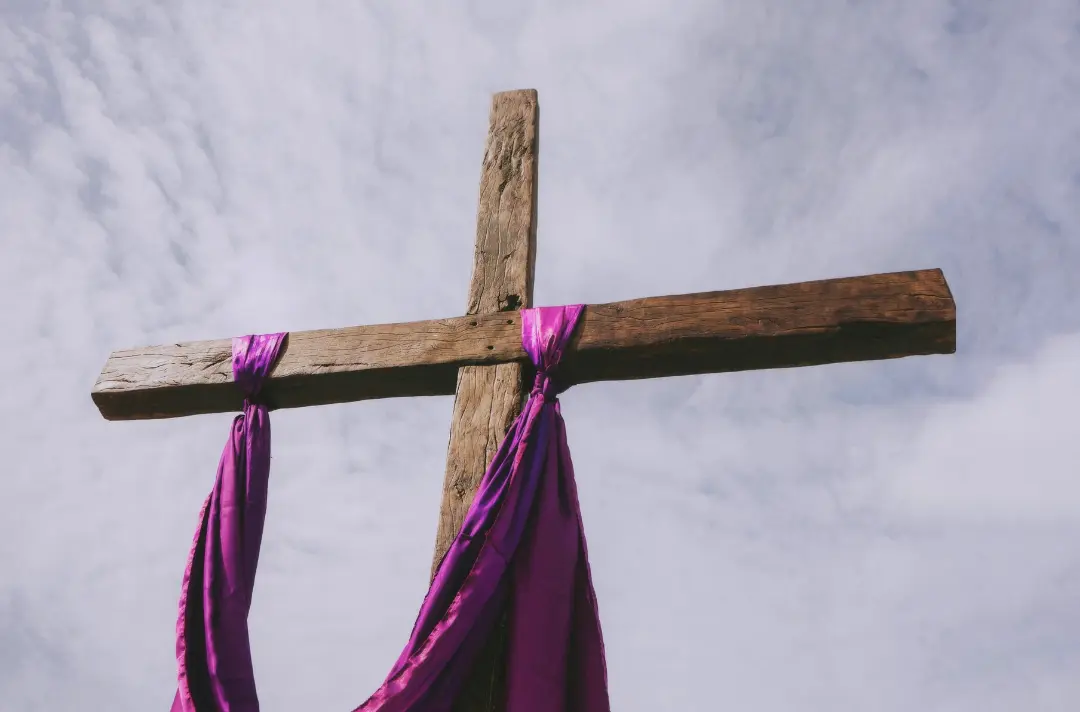
Good Friday is a significant date in the Christian calendar on which the crucifixion of Jesus Christ is remembered. Every year, Christians around the world pause to observe the day. In 2026, Good Friday falls on 3 April.
But if Good Friday marks the death of Jesus – a moment of suffering, sorrow and death – why is it called ‘good’ at all?
What happened on Good Friday?
Good Friday is remembered as the day that Jesus, believed by Christians to be the Son of God, was arrested, beaten and then executed by crucifixion – being nailed to and hung on a wooden cross – outside Jerusalem.
The death of Jesus is central to the Easter story and to Christianity itself. Jesus was executed by the governing religious leaders of the day, despite being innocent. In his death, Jesus took punishment for all the wrong things people do, the things that separate us from God – which are also referred to as ‘sin’ – so that all people can experience the goodness and the love of God.
In the Bible, we can read lots of details about the events of Good Friday: Jesus was forced to carry his own cross to a place called Golgotha (meaning ‘place of the skull’), he was mocked and abused by Roman soldiers, and he was crucified alongside two other men facing punishment.
It is difficult and almost impossible to see anything good in such a tragic event. Yet, for Christians, Good Friday sits at the very heart of the message of Jesus: a message of sacrificial love, forgiveness and hope.
So, why is it called Good Friday?
Despite its sorrowful events, the term ‘Good Friday’ has deep historical roots that stretch so far back that it holds a kind of mystery.
The term has been part of Christian tradition for many centuries. The earliest known English reference – ‘guode friday’ – appears in a text from around 1290.
Some traditions suggest the name comes from an older expression meaning ‘God’s Friday’. Others point out that ‘good’ once meant ‘holy’, as used in the archaic expression ‘good tide’. The Oxford English Dictionary notes that ‘good tide’ was historically used to describe a day or time of year set apart for religious observance.
Beyond linguistics, Christians can confidently call this day ‘good’ because they believe that, although Jesus died, he later rose again. It was in the death of Jesus that God demonstrated his immense love for humanity, as it allows us to know God and his love personally.
How Christians mark Good Friday today
Across different countries and varying church traditions, Good Friday is observed in a range of meaningful ways.
For some churches, including many Salvation Army churches, a ‘walk of witness’ sees congregants and communities join for a public procession, walking through local streets to remember the journey that Jesus walked through Jerusalem. Often, this is led by someone carrying a cross.
Some areas host dramatic re‑enactments of the events leading up to the death of Jesus. These powerful performances help people visualise the story and reflect on its meaning.
Other churches meditate on the experiences of Jesus in his final days by participating in interactive prayers, known as ‘Stations of the Cross’. In many churches, worshippers move through a series of images or artworks that depict key moments of Jesus’ last hours, pausing at each station to reflect.
What Good Friday means for Christians today
For Christians, Good Friday remains a day of quiet reflection, gratitude and awe at God’s great love for all people.
The meaning of Good Friday goes far beyond remembering a historical event. It represents the turning point in God’s plan to restore a broken world. The death of Jesus is remembered as an act of profound love – a moment when he willingly took on suffering to bring forgiveness and hope to all people.
Crucially, Good Friday is not the end of the story. Its goodness only makes sense in the light of Easter Sunday, when Christians celebrate the belief that Jesus rose from the dead, offering new life to all who believe in God and place their trust in him.
If you’re curious about who Jesus is, and why his life and death matter, we’d love to help you discover more.
Download our free ebook, Who Is This Jesus Anyway?, using the form below and start exploring today.
Explore faith to understand the stories behind Lent and Easter, and to see why this time of year means so much to millions worldwide.
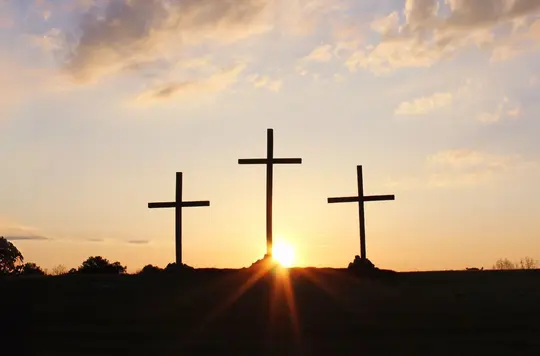

Why do we celebrate Easter, and what is the true meaning behind this time of year?