
10 March 2026
Why do we celebrate Easter?
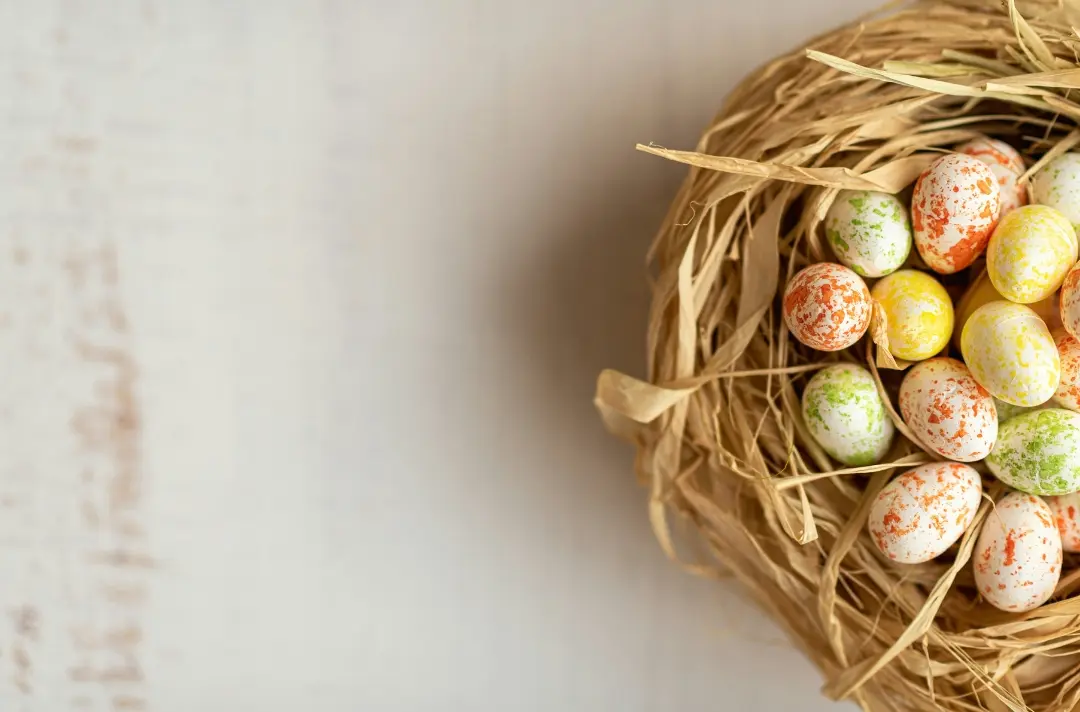
Why do we celebrate Easter, and what is the true meaning behind this time of year?
In 2026, Easter is celebrated on Sunday 5 April. It is one of the most well-known and best-loved holidays in the year, and is recognised by a multitude of people, both religious and non-religious.
In the world today, you would have to work hard to not know when Easter is approaching. The supermarkets seem to stock the shelves with chocolates and Easter eggs earlier every year. For many, these chocolate eggs – alongside the imagery of rabbits and the Easter Bunny – symbolise Easter and are the most recognisable parts of the season.
Why do we eat eggs at Easter?
The giving and eating of Easter eggs has a long history and tradition, spanning hundreds of years. In recent years, we are more used to enjoying chocolate eggs at Easter. However, in medieval times, on Easter Sunday, people would have commonly finished 40 days of fasting – over a period known as Lent – with real eggs.
In fact, eggs would often be given to local churches on Good Friday and then dispersed throughout the community. This giving of eggs at Easter was even adopted by royalty in 1290, when King Edward I purchased 450 eggs, which were decorated with colours or gold leaf and given out to his household.
The meaning beyond eggs
Another reason we associate eggs with Easter is because they represent new life. It is this rebirth, or new life, that has been celebrated by Christians worldwide at Easter for thousands of years.
Easter is one of the most important dates in the Christian calendar. It is the remembrance of Jesus’ death on Good Friday, followed by the joyful celebration of his resurrection on Easter Sunday more than 2,000 years ago. It is through Jesus' death and resurrection that Christians believe they are forgiven of their sins, born again and made new.
What happened on Good Friday?
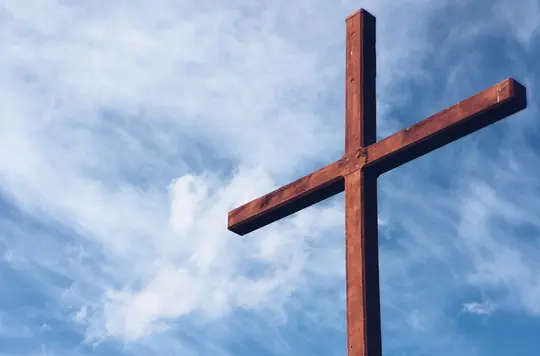
Two key dates over the Easter weekend – marked in the UK with a bank holiday weekend – are Good Friday and Easter Sunday. Good Friday is the day on which Christians remember Jesus’ death on a wooden cross – you can read this story in the Bible in Luke 23.
It is believed that, through his death, Jesus took on the sins of the world, enabling humanity to have right standing with God. One of Jesus’ disciples, Peter, writes: ‘“He himself bore our sins” in his body on the cross, so that we might die to sins and live for righteousness; “by his wounds you have been healed”.’ (1 Peter 2:24)
What happened on Easter Sunday?
Following Jesus’ death, the body of Jesus was taken and buried in a tomb, enclosed by a circular stone, and guarded by soldiers. However, on the third day after his death, Jesus miraculously came back to life. On Easter Sunday, Christians worldwide celebrate the resurrection of Jesus – you can read the full story in Luke 24.
It is through his resurrection that Jesus ultimately shows that he has power over all things, even death itself. By defeating death, and taking the punishment for the things we do that are wrong, Christians believe that people can be made right with God and that one day they will spend eternity with him.
Why Easter still matters today
Easter, then, can both be a time to receive and enjoy chocolate eggs, or to go on egg hunts with the family. But, even more than that, Easter is about what those eggs symbolise: new life.
More than 2,000 years ago, Jesus lived, died and rose again. He took on all the wrongdoings of the world – both past, present and future – and has given each of an opportunity to be made right with God and live a new life. Now that is a reason to celebrate this Easter!
Explore faith to understand the stories behind Lent and Easter, and to see why this time of year means so much to millions worldwide.
Philip Halcrow talks to historian Dr Michael Carter about why the timing of Easter changes each year.
Uncover more about Jesus’ life, his birth, ministry, death and resurrection and the impact he had and continues to have on the world.