
13 December 2025
Wicked: The cost of doing the right thing
Stevie Hope
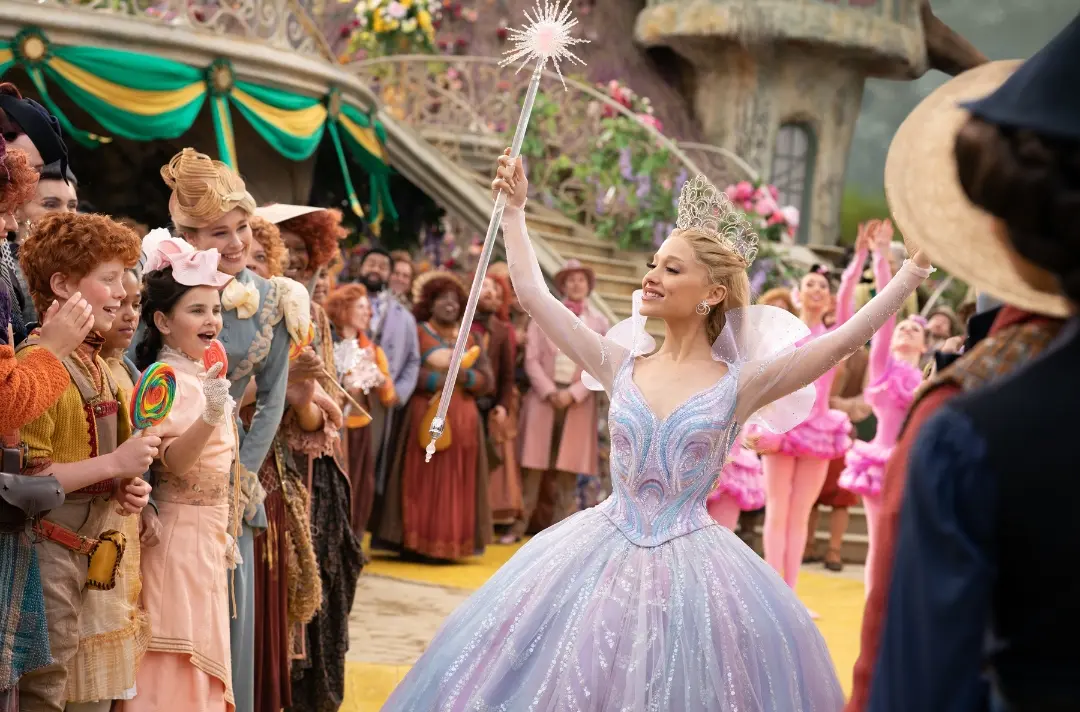
As Wicked: For Good soars through cinemas, Stevie Hope reflects on what it takes to be good.
Wicked: For Good concludes the story of Elphaba, the Wicked Witch of the West we learnt to hate in The Wizard of Oz. The story of the musical Wicked takes an alternative look at the world inspired by L Frank Baum’s original book The Wonderful Wizard of Oz, asking one central question: what does it mean to be ‘wicked’?
As Wicked: For Good begins, Elphaba is an outcast for standing up for a marginalised group of people – the talking animals of Oz. The oppression and suppression of them by the ‘wonderful’ Wizard of Oz remain unwavering.
While the story centres on Elphaba, it’s perhaps Glinda the Good – snug in the status quo – who is in the more relatable position. Glinda has everything she could ever want and insists that she ‘couldn’t be happier’, but she’s grappling with her place in society, coming to terms with everything she gained by fitting in with the crowd – and everything she could lose should she stand out.
She’s seen how people respond to Elphaba’s revolutionary ideal of fighting for those who have been branded the enemy and how people would react to her if she should do so too. After all, the privileged life she’s found herself in comes from her turning a blind eye to suffering. It’s this internal conflict that takes her through the movie. Should she lose her status, position and power to help the ‘other’? What good would that really do?
It’s highly likely that the privilege you experience in your day-to-day life is far less dramatic than that depicted in this fantasy epic. Many of the injustices we see in society are far from the black-and-white, good-versus-evil caricatures we find in movies. But, in the song ‘Wonderful’, the Wizard of Oz croons a poignant reminder: ‘There are precious few at ease with moral ambiguities/ So we act as though they don’t exist.’
It can sometimes be easy to sort situations and people into ‘good’ or ‘bad’ camps and pretend the oh-so-real moral ambiguities don’t exist. Yet each person changes the world through the values, morals and beliefs they hold – whether we agree with them or not – and labelling people can be dangerously dehumanising.
One of our territory’s mission priorities is to seek justice and reconciliation, but doing the right thing can come at a cost to ourselves. This has always been true. That’s why 1 Peter 3:14–17 encourage us: ‘But even if you do suffer for doing what is right, you are blessed. Do not fear what they fear, and do not be intimidated… For it is better, if it is God’s will, to suffer for doing good than for doing evil’ (New Revised Standard Version).
In Glinda’s case, wicked injustice happens because she isn’t prepared to step up and denounce wrongdoing. Conversely, the moniker ‘wicked’ is thrust upon Elphaba for choosing to radically stand out and reject injustice. Are you prepared to be called ‘wicked’ for good?
Reflect and respond
- What cost are you prepared to pay for doing the right thing?
- Read 1 Peter 3:8–17. Pray for the strength to be a courageous disciple of Jesus and live out God’s countercultural grace.
- How do your values, morals and faith affect your impact on the world?
Written by
Stevie Hope
Assistant Editor
Latest viewpoints
-
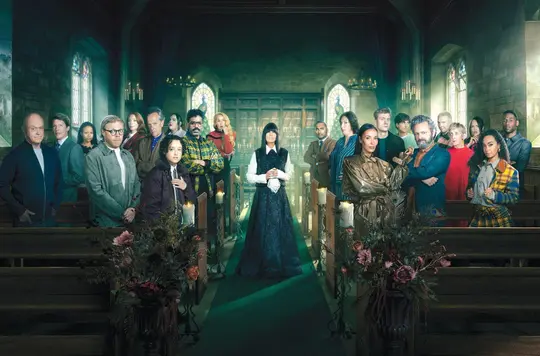
The Celebrity Traitors: What does being faithful look like?
As The Celebrity Traitors returns to our screens, Dan Bate considers what it means to be 100 per cent faithful.
-
Single Friendly Church Week: How welcoming is your church?
At the start of Single Friendly Church Week (27 September – 4 October), Major Andrea Cooper reflects on singleness and how we value people.
-
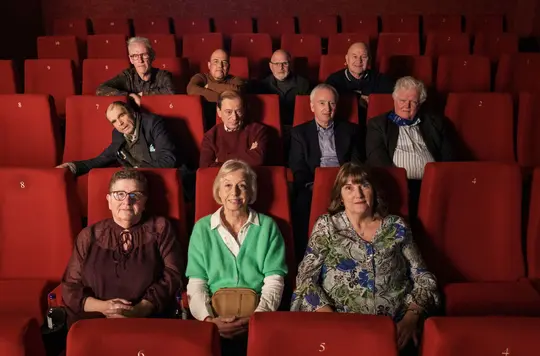
70 Up: How have you changed as you have grown up?
As 70 Up concludes on ITV, Ivan Radford reflects on growing older.
-

Pray for Nepal and Tibet
After the catastrophic avalanche and flooding, we pray for all the people impacted.
-
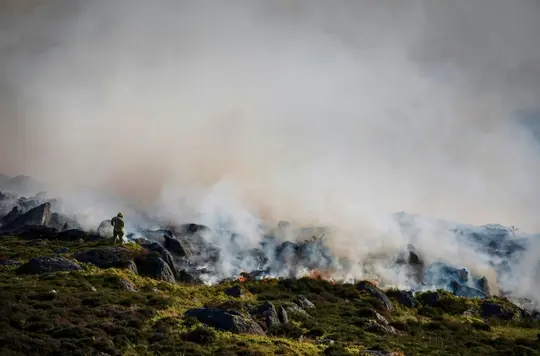
Wildfires: Living out hope in the face of despair
In the light of recent wildfires, Major Lynne Shaw considers how we can respond by caring for creation.
-
Back to school: A lesson worth learning
Senior Deputy Head Andrew Mair reflects on the start of the new school year.
-
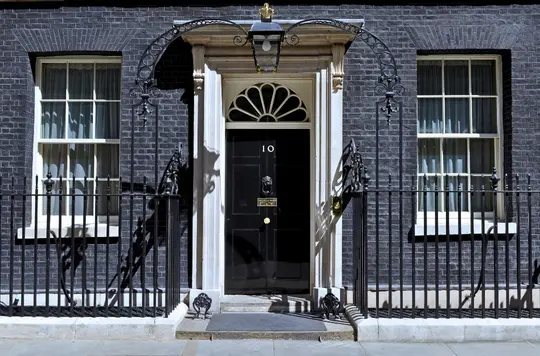
Is this an end to rough sleeping for good?
Jez Bushnell considers Andy Burnham’s first major promise as prime minister and the government’s commitment to tackling homelessness.
-
Ludwig: The value of a fresh perspective
As Ludwig returns to BBC One, Ivan Radford celebrates the unique ways our minds work.
-

Spider-Man: Brand New Day: Renewed spark
As Spider-Man: Brand New Day swings past superhero fatigue, Sam Bishton asks what renews your energy and passion.
-
The Odyssey: The importance of welcoming strangers
With Christopher Nolan's The Odyssey out now, Captain Chris Button reflects on the importance of hospitality.
-
Toy Story 5: Making time for connection
As Toy Story 5 plays on our screens, Naomi Blowers encourages us not to be distracted from being present with God.
-
The Piano: Playing with purpose
As Channel 4’s music series draws crowds at train stations, Ivan Radford celebrates the power of hearing why people play.