
31 January 2026
Self-Denial 2026: Building Hope
The Self-Denial Appeal is about the mission of The Salvation Army. Money is collected and sent by International Headquarters to support The Salvation Army’s mission in places all over the world. One of those places is Estonia, which is our focus for this year.
But before that, let’s look back at last year’s appeal.
Last year, we saw The Salvation Army’s work in Indonesia, which began over 130 years ago. Today, it’s one of the fastest growing Salvation Army territories in the world. We met four people who are putting their faith into action and serving their communities.
We met Dedi, a lecturer at the Salvation Army Theological College in Palu on the island of Sulawesi. He is involved in youth work, which brings in hundreds of young people to its meetings.
We met Dita, a nurse who trained in Salvation Army Nursing College and now works in one of the six Salvation Army hospitals in Indonesia.
We met James, a PE teacher in a Salvation Army school in Palu. James is committed to getting the best out of every child, whatever their ability.
And we met Flora in the training college in Jakarta. She travelled 2,000km from her home to start her training to become a Salvation Army officer.
Thank you once again for your generous giving. Thanks to you, in the last five years, we have raised £5 million. We simply couldn’t do this work without your sacrifice and generosity.
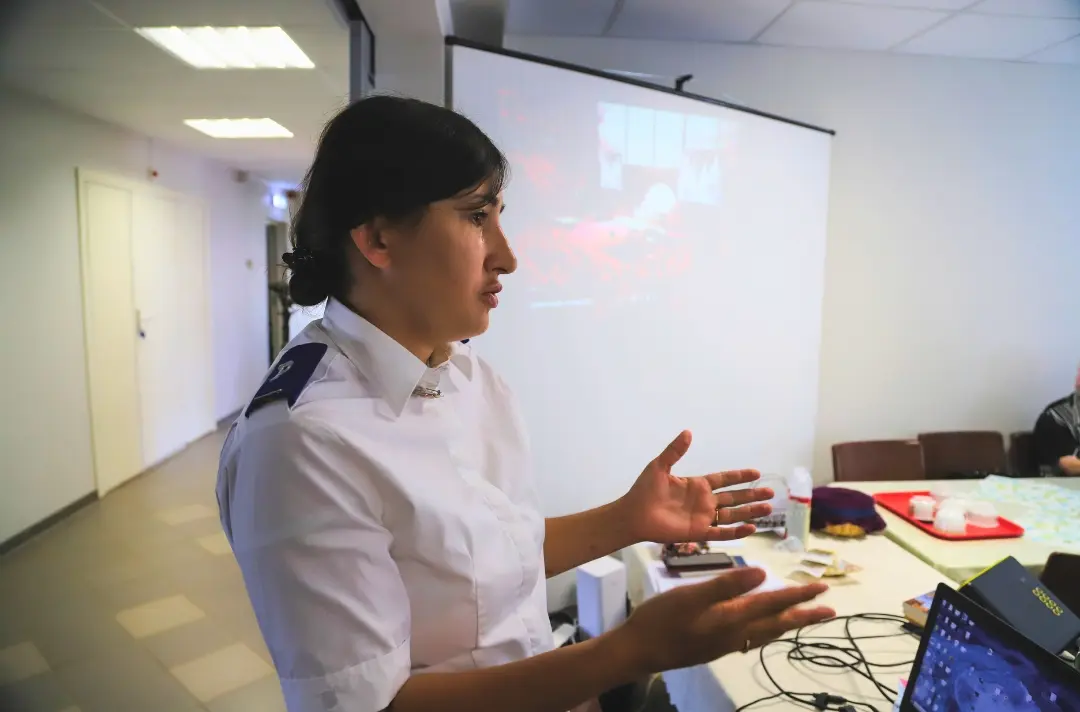
You could say these funds helped keep the lights on.
If you are part of The Salvation Army, you are part of a big family, which stretches all over the world. And Self-Denial is an appeal to raise money for our mission.
The first Self-Denial Appeal was in 1886. It funded The Salvation Army’s international work. Salvationists were challenged to go without something and to give the money they saved to the appeal. People gave a week's salary: OWSOMS, one week’s salary on missionary service. These days, almost all Salvation Army corps across the globe take part.
Some of the appeal money goes to our mission partners. They are Denmark and Greenland, Finland and Estonia, Ghana, including Togo, Pakistan and South America East. The rest goes to International Headquarters, and the team there sends it to the places that need it the most.
The money pays for everyday things that help Salvation Army do its work. Things like a library in Lahore, blankets in Buenos Aires, or a new building in Nuuk. You could say these funds helped keep the lights on.
For this year’s appeal, we’re taking a closer look at The Salvation Army’s work in Estonia.
The Salvation Army began work here in 1927, but was banned during World War II. After the fall of the Soviet Union, The Salvation Army resumed its mission in former Eastern Bloc countries. These new beginnings marked the end of 50 years of prohibition. The work in Estonia officially restarted in October 1995.
I am a Salvation Army officer in Tallinn, our capital city. For the next few weeks, I’m going to show you a few things that The Salvation Army is doing in my home country.
We’ll meet some of the men living and working at The Salvation Army’s Hope House Rehabilitation Centre and find out how they are giving back to local people who are struggling.
We’ll travel to Narva, a city on the easternmost edge of the country bordering Russia, where we’ll meet Olga, a Salvation Army cadet who’s doing some amazing work supporting older and younger members of the community.
And we’ll head to Loksa for The Salvation Army’s summer kids camp. Young people travel from all over the country for a week of crafts, sports, worship and beach games by the sea.
How can I give?
There are a few ways you can give to Self-Denial. You can use the envelope or this year’s collection box. There’s a QR code that links to salvationist.org.uk. Or, if you have a standing order set up, you can make a payment that way.
Next week, we are at The Salvation Army’s Hope House Rehabilitation Centre.
Latest on Self-Denial
-
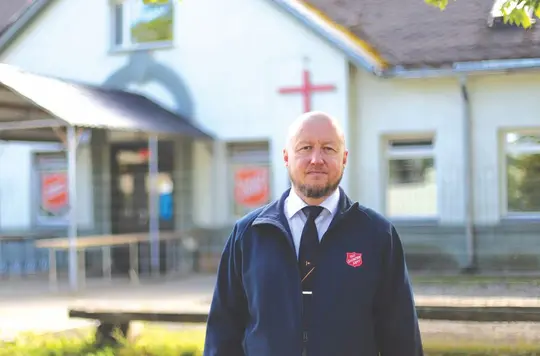
Self-Denial 2026: Community
In the fifth of five weekly videos, we round up this year's Self-Denial Appeal focus.
-
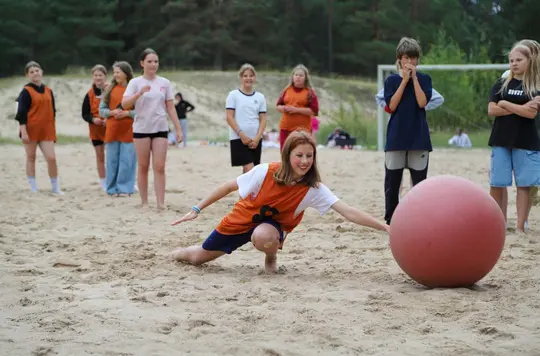
Self-Denial 2026: Kids camp
In the fourth of five weekly videos, we find out about the Army's Loksa camp in Estonia.
-
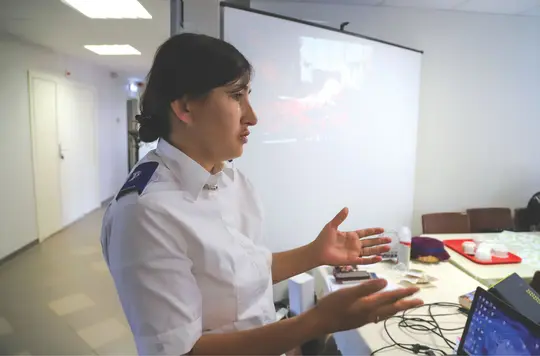
Self-Denial 2026: Narva Corps
In the third of five weekly videos, we find out about Narva Corps in Estonia.
-
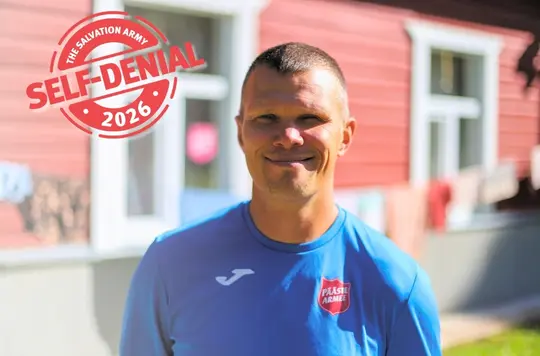
Self-Denial 2026: Hope House
In the second of five weekly videos, we find out about Hope House.
-

What does generous discipleship look like?
The Generous Discipleship team invite us to consider how we give thanks to God by giving our time, talents and finances.
-
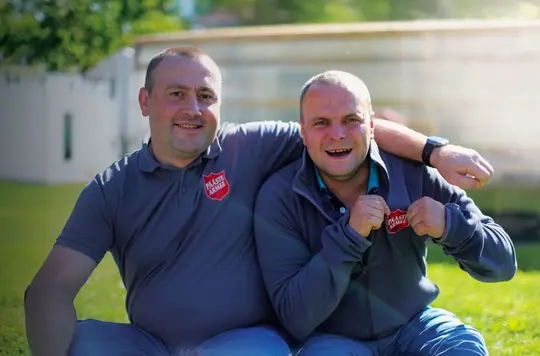
Self-Denial 2026: Introducing this year’s appeal
Salvationist introduces the 2026 Self-Denial Appeal, which focuses on the Army’s work in Estonia.
-

Mark 12: Sacrificial giving
Polly Hughes celebrates the power of generosity
-
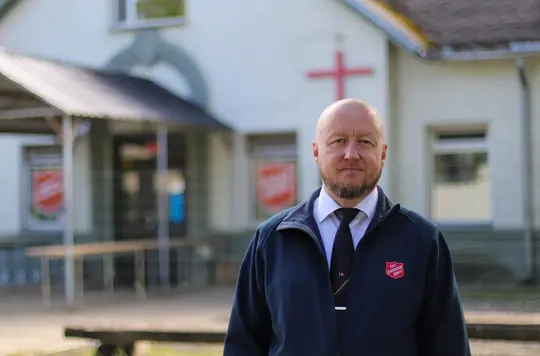
Self-Denial 2026: Building Hope
In the first of five weekly videos, Lieutenant Renno Rannamäe introduces the 2026 Self-Denial Appeal.
-
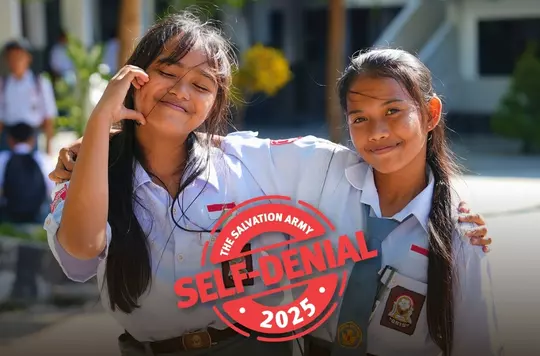
Self-Denial 2025: Thank you!
Territorial headquarters thanks corps and Salvationists for their sacrificial giving to support the 2025 Self-Denial Appeal.
-
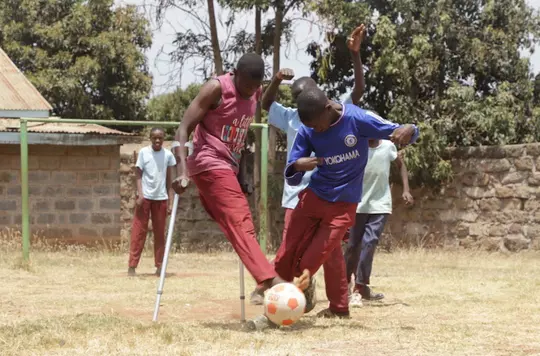
Self-Denial and Helping-Hand Appeals: What’s the difference?
Benjamin Gilbert explains the differences and links between the Army’s two major international appeals.
-
Self-Denial 2025: Growing in faith and service
In the fifth of five weekly videos, we round up this year's Self-Denial focus.
-
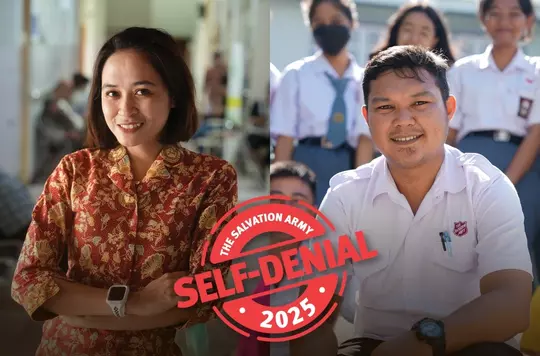
Self-Denial 2025: James and Dita's stories
In the fourth of five weekly videos, we meet Dita Rossela and James Jeans.