
7 February 2026
Self-Denial 2026: Hope House
In the second of five weekly videos, we find out about Hope House.
‘Before, I was in jail three times, nothing was helping me, but this house is helping,’ explains Viktor, a resident at Hope House. ‘I know what is my problem, drugs and alcohol. Everything is very interesting to me. I’m very happy.’
Viktor is one of the 15 men on a rehabilitation programme at The Salvation Army’s Hope House. The centre is in the city of Tallinn, Estonia’s capital. Each day begins with prayer, followed by breakfast and a group conversation.
Janar Viilver is the assistant manager here: ‘The work that The Salvation Army does here is very important. I have been here for two years. I have seen the number of people in need of help increasing over the past two years. It’s grown. More and more people come here.’
Janar knows first-hand what the men are going through. He had always been a heavy drinker and didn’t think it was a problem. Then something changed.
‘When I realised that I couldn’t control it anymore, that it was controlling me,’ Janar continues, ‘my only choice was to come here and get help and try to live differently, to go on with my life.’
The rehabilitation programme lasts for a full nine months. The men get counselling and support to help them on their journeys to recovery. But they’re also expected to do daily chores and physical work. They call it work therapy, and the idea is it helps to rebuild strength and stamina, and it also serves a practical purpose. The money from the sale of firewood goes towards supporting Hope House, and the prepared vegetables are used in a busy kitchen.
The programme is very successful, but Janar knows there’s only so much The Salvation Army can do.
‘If a person is not ready to help themselves, no single method, no person, no specialist can help,’ he reflects. ‘The most important thing is that a person has to get there by themselves, and that they want it.’
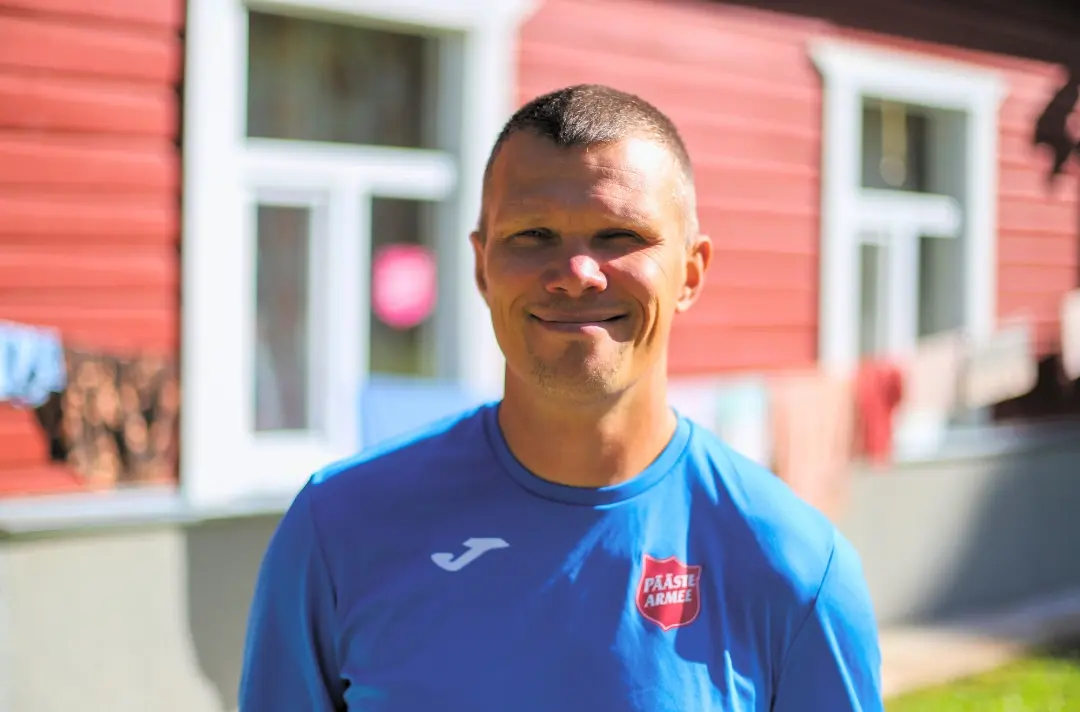
I’d say my life has changed dramatically, like a full 360 degrees. Everything I had before and everything I have now are completely different.
Hope House depends on some dedicated volunteers to keep it running. People like Vjacheslav Vakar (Slava).
‘I’m just a volunteer,’ Slava says. ‘I do what’s asked of me. I look after the guys, run some errands. I offer some lessons, maybe something else. Whatever they ask for!’
Some of the soup they make at the centre is taken to Kopli Corps, where Lieutenant Renno Rannamäe is an officer, in the centre of town. On the way, Slava makes a delivery to some of the elderly members of the community who find it hard to get out.
Slava has been through rehabilitation at Hope House too. After he finished the programme, he joined the team as a volunteer.
‘This is already my fourth year here,’ he adds. ‘I’d say my life has changed dramatically, like a full 360 degrees. Everything I had before and everything I have now are completely different.’
As a way to give back to the community, the residents run a soup kitchen every weekday, serving local people who are struggling. And Marat, the cook, makes delicious soup.
‘So delicious, always, always,’ says one visitor. ‘Marat cooks so well. Even if you weren’t hungry, you’d come to eat the soup, and the porridge too! Wonderful, wonderful!’
At the end of the day, the men gather again for prayer. For Janar, it was his faith that kept him going.
‘Well, faith is very important,’ he affirms. ‘There was a time when I lost all kind of faith and hope. I thought that nothing would help me. But God does his work, and God brought me together with the right people who were able to help me find my faith. That is a very powerful thing.’
Latest on Self-Denial
-
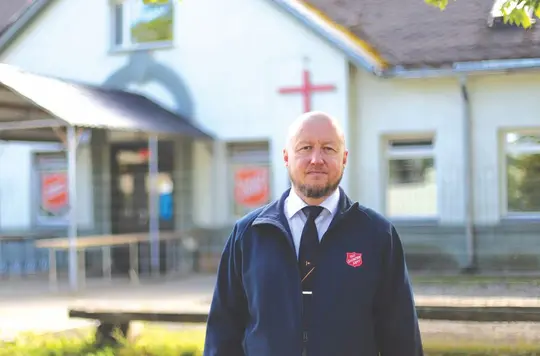
Self-Denial 2026: Community
In the fifth of five weekly videos, we round up this year's Self-Denial Appeal focus.
-
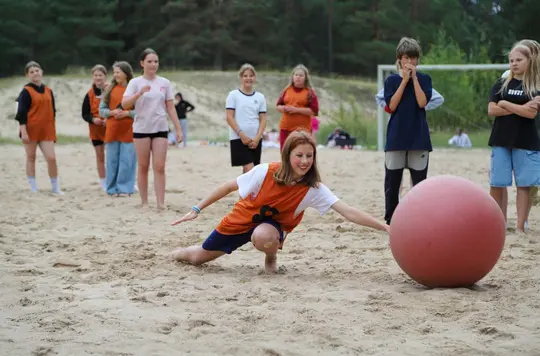
Self-Denial 2026: Kids camp
In the fourth of five weekly videos, we find out about the Army's Loksa camp in Estonia.
-
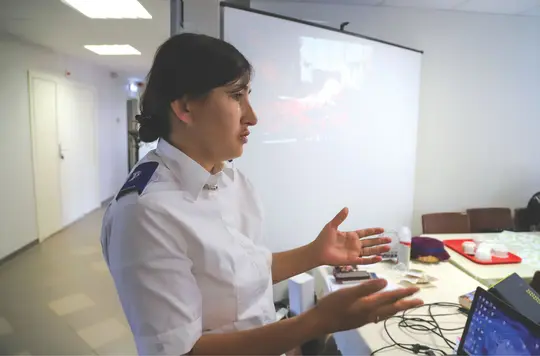
Self-Denial 2026: Narva Corps
In the third of five weekly videos, we find out about Narva Corps in Estonia.
-
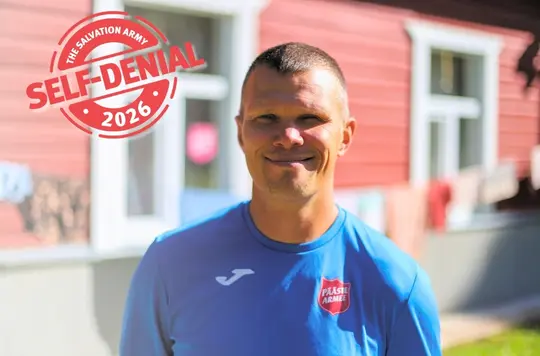
Self-Denial 2026: Hope House
In the second of five weekly videos, we find out about Hope House.
-

What does generous discipleship look like?
The Generous Discipleship team invite us to consider how we give thanks to God by giving our time, talents and finances.
-
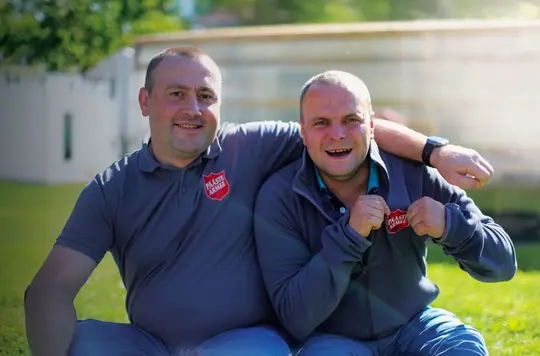
Self-Denial 2026: Introducing this year’s appeal
Salvationist introduces the 2026 Self-Denial Appeal, which focuses on the Army’s work in Estonia.
-

Mark 12: Sacrificial giving
Polly Hughes celebrates the power of generosity
-
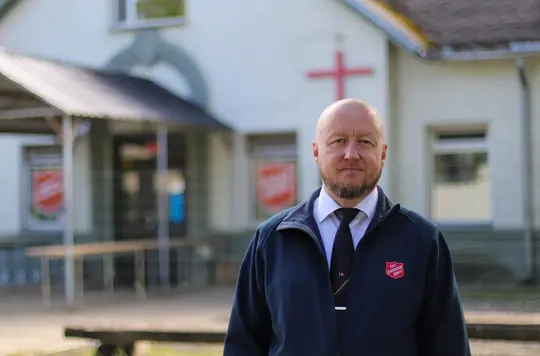
Self-Denial 2026: Building Hope
In the first of five weekly videos, Lieutenant Renno Rannamäe introduces the 2026 Self-Denial Appeal.
-
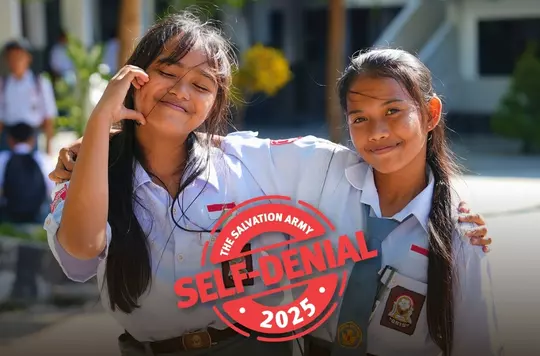
Self-Denial 2025: Thank you!
Territorial headquarters thanks corps and Salvationists for their sacrificial giving to support the 2025 Self-Denial Appeal.
-
Self-Denial and Helping-Hand Appeals: What’s the difference?
Benjamin Gilbert explains the differences and links between the Army’s two major international appeals.
-
Self-Denial 2025: Growing in faith and service
In the fifth of five weekly videos, we round up this year's Self-Denial focus.
-
Self-Denial 2025: James and Dita's stories
In the fourth of five weekly videos, we meet Dita Rossela and James Jeans.