
14 February 2026
Self-Denial 2026: Narva Corps
In the third of five weekly videos, we find out about Narva Corps in Estonia.
In the northeast of the country is the city of Narva, and this morning, Cadet Olga Rosca (Narva Corps) is running her weekly group with mothers and children.
‘The group for mothers and children began, first of all, because I am a mother and I understand what mothers go through,’ she explains. ‘I also see that women need fellowship, a sense of community. We can read the Bible together, reflect on parenting as well as share practical advice and pray for our children.'
Narva is Estonia’s third largest city with a population of just over 50,000. It’s the country’s easternmost point. On the other side of the river Narva is Russia, connected by the so-called Friendship Bridge. Its name is a reminder of a time when relations between these neighbours were less frosty.
Since the Russian invasion of Ukraine, the bridge has all but closed. Anti-tank security barriers are where the lorries and cars once were. These days there’s only a trickle of pedestrians for the border guards to worry about.
The atmosphere has taken its toll on the city. Factories have shut down, the population is falling and unemployment is rising.
The Salvation Army has been in the city since 2005, serving the people of Narva from young to old.
‘At the women’s meetings, women come together, they talk, share their needs and life situations,’ explains Cadet Olga. ‘They enjoy refreshments, drink tea, pray, sing and receive lessons or insights for themselves.’
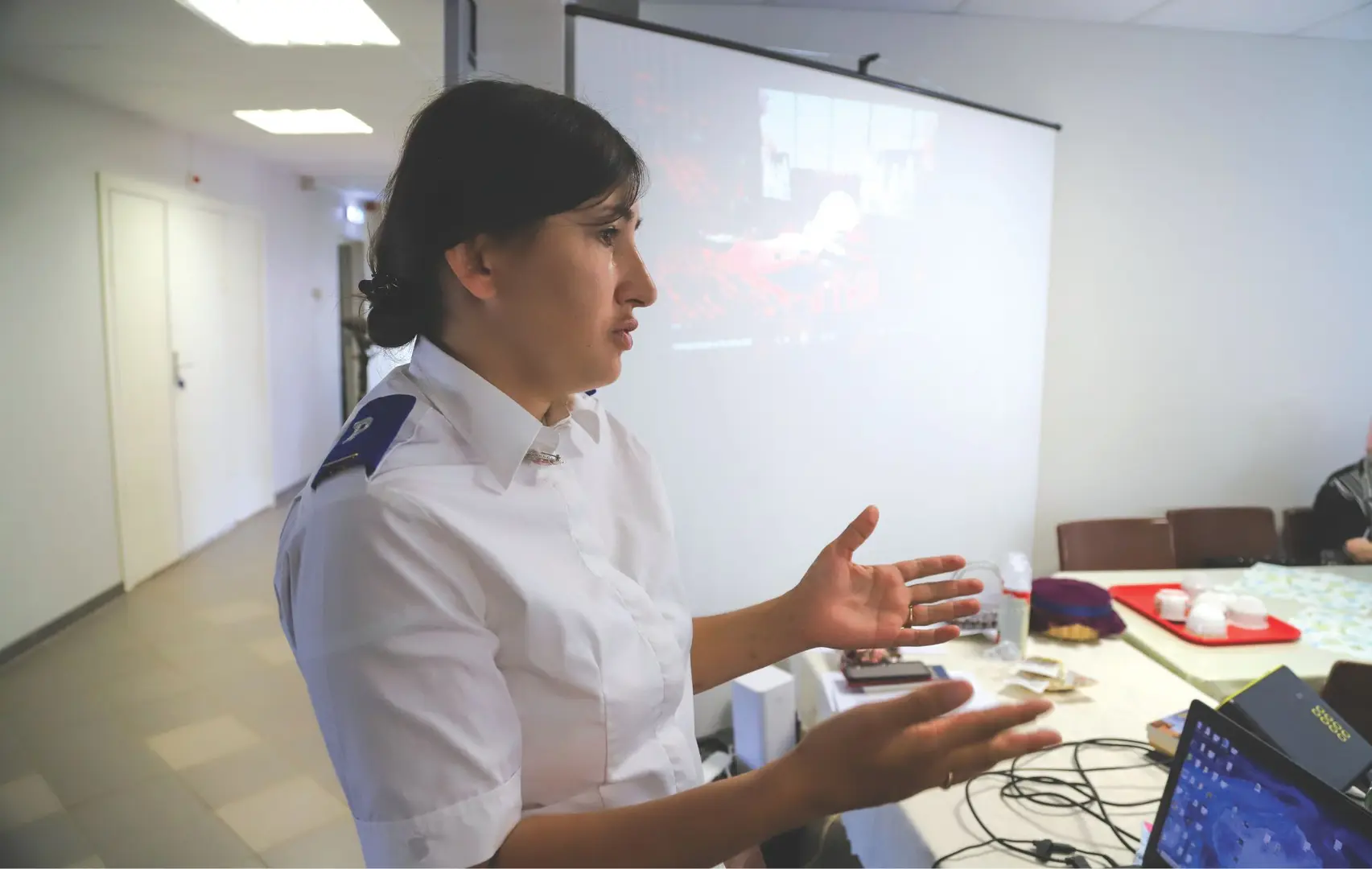
We want the Church to be visible, not only within its walls, but also to the outside.
During the Soviet era it was women who made up most of the workforce in the garment factories that have now closed. Many of these women are now retired and are struggling to make ends meet. The Salvation Army is doing what it can to help.
Next door, Liudmila is preparing food packs ready to hand out to the ladies. She first came here seven years ago when she needed help herself.
‘I live alone because my children live in Tallinn,’ she explains. ‘I cannot go there. It is far away and my husband died. When I come here, I feel at home. I feel good here. I am motivated by the faith in God, this motivates me.’
‘The weekly support we offer, like distributing bread and sometimes larger food packages and products,’ Olga continues. ‘It really helps them a lot because many people don’t live very comfortably and they have to stretch their pension from the beginning to the end of the month. They have to look for extra support from elsewhere.’
Before they head home, the women also pick up some bargains from the clothes store. As well as the mothers and children’s group, Olga runs regular outdoor sessions in the local park. It’s part of a plan to make a stronger connection with people in the city.
‘We want to be open to the community,’ Olga expresses. ‘We want the Church to be visible, not only within its walls, but also to the outside. We serve people out there so they know us and see us, but also so they feel they can come to church and be part of the community. And through all of this, we share love. God’s love for us and our love for him.’
The results have been remarkable, with more young people coming to the corps every week. Olga adds: ‘The most important thing that I want to focus on is children, teenagers and young people so that the Church has a future.’
Latest on Self-Denial
-
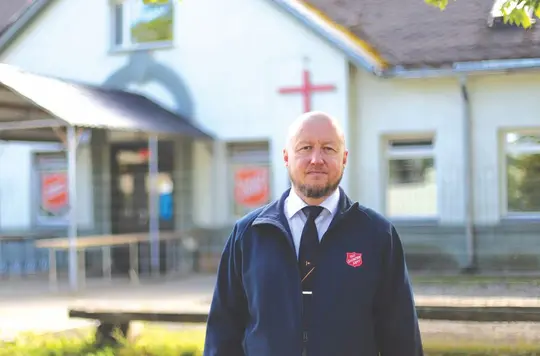
Self-Denial 2026: Community
In the fifth of five weekly videos, we round up this year's Self-Denial Appeal focus.
-
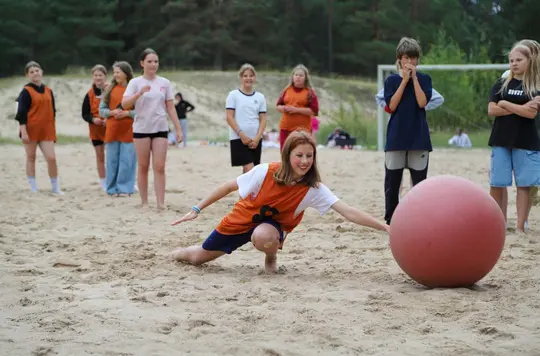
Self-Denial 2026: Kids camp
In the fourth of five weekly videos, we find out about the Army's Loksa camp in Estonia.
-
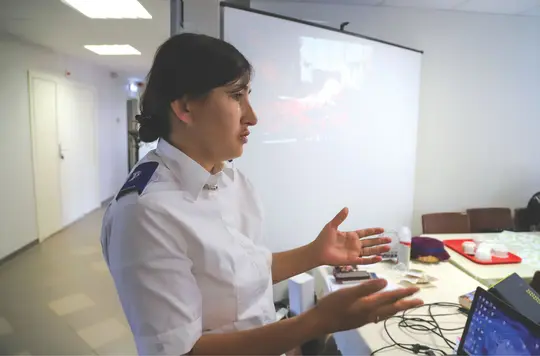
Self-Denial 2026: Narva Corps
In the third of five weekly videos, we find out about Narva Corps in Estonia.
-
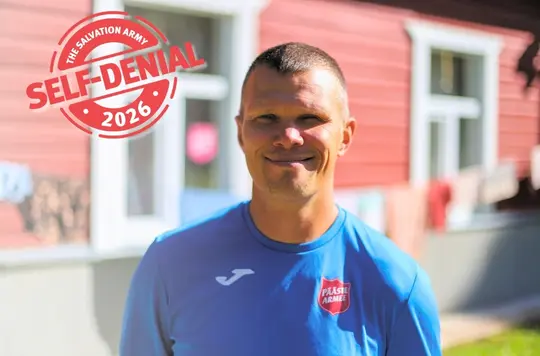
Self-Denial 2026: Hope House
In the second of five weekly videos, we find out about Hope House.
-

What does generous discipleship look like?
The Generous Discipleship team invite us to consider how we give thanks to God by giving our time, talents and finances.
-
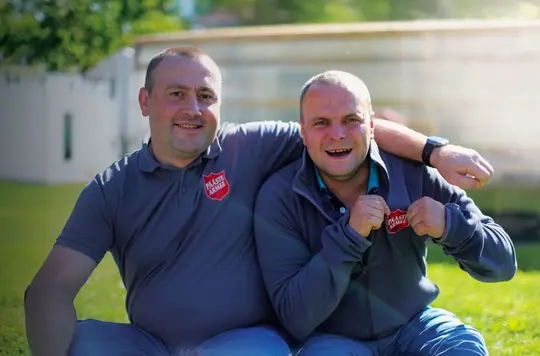
Self-Denial 2026: Introducing this year’s appeal
Salvationist introduces the 2026 Self-Denial Appeal, which focuses on the Army’s work in Estonia.
-

Mark 12: Sacrificial giving
Polly Hughes celebrates the power of generosity
-
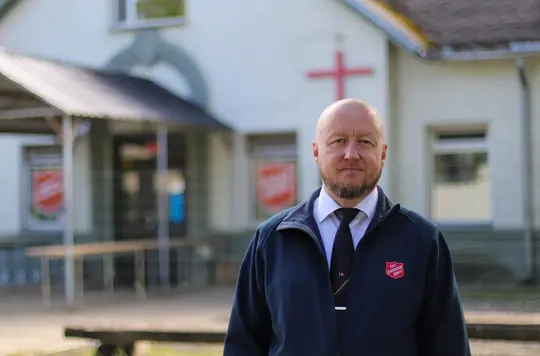
Self-Denial 2026: Building Hope
In the first of five weekly videos, Lieutenant Renno Rannamäe introduces the 2026 Self-Denial Appeal.
-
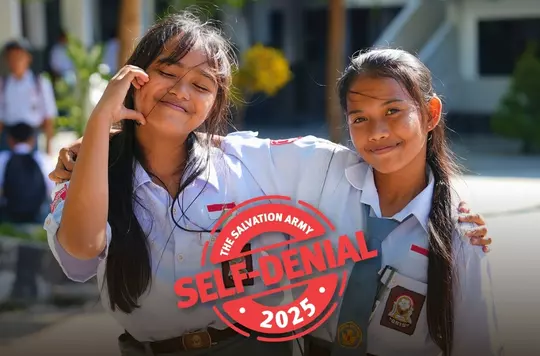
Self-Denial 2025: Thank you!
Territorial headquarters thanks corps and Salvationists for their sacrificial giving to support the 2025 Self-Denial Appeal.
-
Self-Denial and Helping-Hand Appeals: What’s the difference?
Benjamin Gilbert explains the differences and links between the Army’s two major international appeals.
-
Self-Denial 2025: Growing in faith and service
In the fifth of five weekly videos, we round up this year's Self-Denial focus.
-
Self-Denial 2025: James and Dita's stories
In the fourth of five weekly videos, we meet Dita Rossela and James Jeans.